


Quick answer
Yes, you can visit the Acropolis daily from 08:00 to 20:00, with admission priced at 30 EUR for adults. This fee grants access to the entire archaeological site including the Parthenon, Erechtheion, and surrounding slopes. The site operates these hours throughout the week with no closures for regular weekdays.
The sacred rock has stood open to the public since Greece gained independence, though modern access policies date to the site's UNESCO designation in 1987. Can you visit the Acropolis without restrictions? Entry requires only a valid ticket purchased online or at the gate—no advance reservation, no guided tour obligation, no time-slot booking. The 30 EUR admission covers far more than the summit plateau. Your ticket includes the Temple of Athena Nike, the Propylaea gateway, the Erechtheion with its famous Caryatids, and the Theatre of Dionysus on the southern slope. The marble pathway climbs roughly 150 meters from the entrance at Dionysiou Areopagitou Street, with the steepest sections near the Propylaea. Wheelchair users should note that the ancient terrain limits full accessibility—the lower slopes are manageable, but the summit requires navigating uneven stone. Arrival timing shapes the experience more than most visitors expect. The site opens at 08:00, and those first two hours offer the coolest temperatures and thinnest crowds. By mid-morning, cruise-ship groups and tour buses converge, filling the narrow paths between monuments. Summer heat intensifies after 11:00, with little shade available on the exposed rock. The Parthenon's western face catches the best light at sunrise, while late-afternoon visits offer softer conditions but shorter exploration windows before closing. Can you visit the Acropolis on the same day you decide to go? Walk-up tickets remain available even during peak season, though online purchase through the official Hellenic Ministry portal eliminates gate queues. The combined ticket option—covering the Acropolis plus six other ancient sites—costs marginally more but requires planning a multi-day itinerary. Single-site entry suffices for most first-time visitors focused solely on the citadel itself.
“The marble pathway climbs roughly 150 meters from the entrance, with the steepest sections near the Propylaea gateway.”
Can You Visit The Acropolis: Opening Hours and Availability
The Acropolis archaeological site is open to visitors daily throughout the week. Operating hours remain consistent across all seven days to accommodate guests.
| Monday | 08:00–20:00 | |
|---|---|---|
| Tuesday | 08:00–20:00 | |
| Wednesday | 08:00–20:00 | |
| Thursday | 08:00–20:00 | |
| Friday | 08:00–20:00 | |
| Saturday | 08:00–20:00 | |
| Sunday | 08:00–20:00 |
Can You Visit The Acropolis: Best Times to Arrive
The best arrival window is 08:00–10:00 to avoid peak heat and heavy crowds arriving with cruise groups. Visiting during this early timeframe ensures a more manageable experience before the site reaches maximum capacity.
Spring (April–May)
Moderate crowdsMild temperatures averaging 18°C–24°C. Ideal for comfortable walking and exploration.
Autumn (September–October)
Moderate crowdsPleasant temperatures averaging 20°C–26°C. Fewer visitors compared to peak summer months.
Weekday mornings
Light to moderate—
Arriving at 08:00 bypasses the largest daily surges and midday solar intensity.
Summer (June–August)
Heavy crowdsHigh heat often exceeding 35°C. Requires early arrival to minimize heat exposure.
Verdict: The best time to visit is Tuesday to Thursday, arriving at 08:00, during the months of April or October.
Can You Visit The Acropolis: Getting There and Access
The Acropolis is located at Athens 105 58, Greece. The most efficient way to access the site is via the pedestrian-only zones that surround the historical center.
Line 2 (Red Line) to Acropoli Station
Line 230 to Akropoli stop
From Monastiraki or Syntagma Square
Can You Visit The Acropolis: Key Landmarks and Structures
The Acropolis of Athens consists of several monumental structures that define the classical landscape. Visitors can explore these architectural achievements, which include the primary temples and the gateway to the sacred precinct.

Parthenon
The central temple dedicated to the goddess Athena, known for its Doric architecture and marble columns.
View the west pediment from the southern path for symmetry.
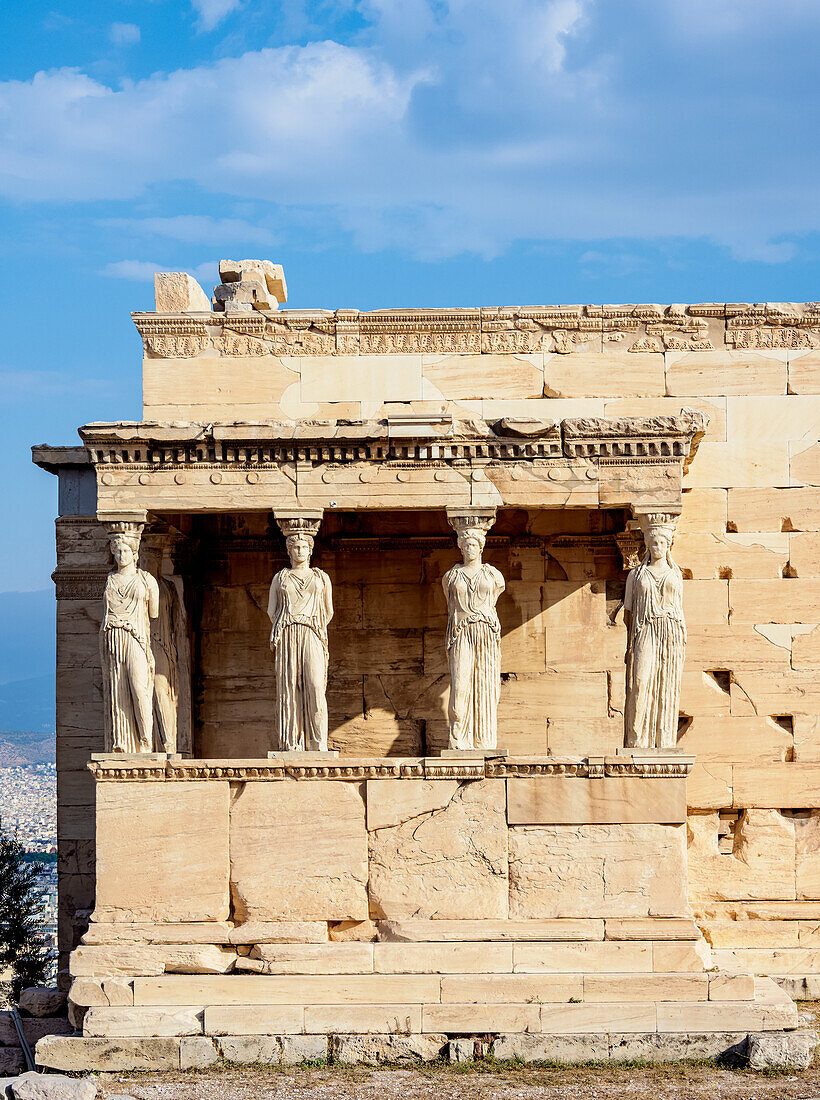
Erechtheion
An ancient Greek temple famous for the Porch of the Maidens, featuring six draped female figures as supporting columns.
Observe the Caryatids closely from the designated viewing walkway.
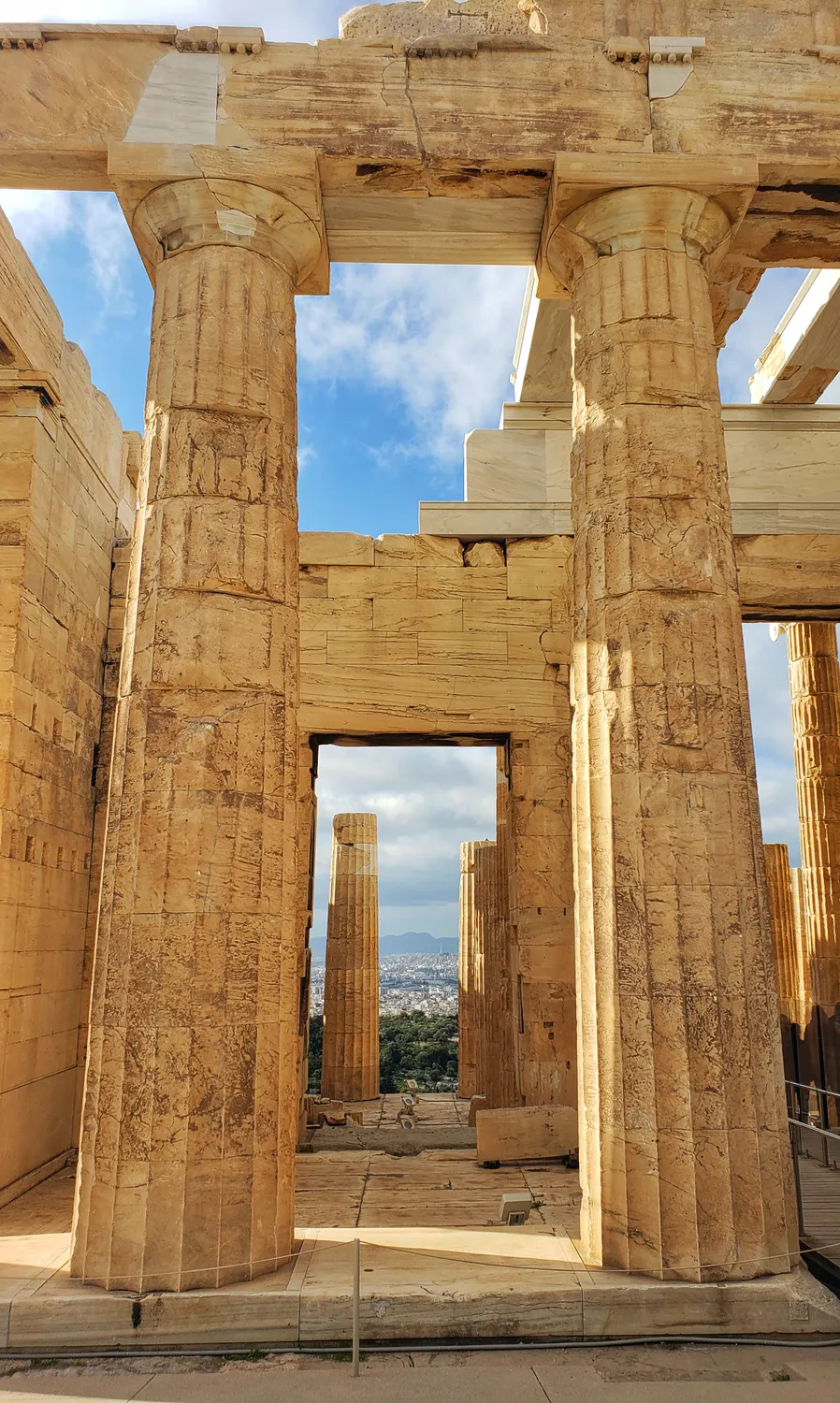
Propylaea
The monumental gateway that serves as the ceremonial entrance to the Acropolis plateau.
Walk through the central columns to appreciate the scale.

Temple of Athena Nike
A small Ionic temple perched on a bastion near the entrance, built to commemorate victory.
Look for the frieze fragments from the perimeter fence.
Can You Visit The Acropolis: Rules and Visitor Etiquette
The Acropolis is an active archaeological site where visitor conduct directly affects preservation. Following site rules protects the monuments and ensures a respectful experience for all.
Do
- Stay on designated pathways at all times
- Wear non-slip shoes suitable for uneven marble surfaces
- Keep voices low near monuments and other visitors
- Dispose of waste in designated bins only
- Follow staff instructions regarding restricted areas
- Respect barriers and cordoned zones around restoration work
Don't
- Touch, lean on, or climb the ancient marble structures
- Use tripods or selfie sticks without permission
- Bring large bags or backpacks onto the site
- Smoke or consume food and drinks on the hill
- Block pathways or monument views for extended periods
- Enter areas marked as off-limits or under restoration
Check availability
Frequently Asked Questions: Can You Visit the Acropolis
Everything you need to know about can you visit the acropolis