2 hr
Acropolis & Parthenon Guided Tour with Museum Option
- Expert local guide
- Small group
- Skip-the-line access
- Free cancellation
Private Tour Acropolis and Parthenon — Expert-Led Access
Walk the Sacred Rock with archaeologists, stand beneath Periclean marble
Compare fares, pick the fit — all bookings are mobile-voucher and eligible for free cancellation where shown.
2 hr
2 hr
2 hr
| Experience | Duration | Rating | Skip-the-line | Guide | Small group | Free cancel. | Price | |
|---|---|---|---|---|---|---|---|---|
|
Guided Experience
Most popular
Acropolis & Parthenon Guided Tour with Museum Option
|
2 hr | ★ 4.7 | ✓ | ✓ | ✓ | ✓ | €27 | Book → |
|
Premium Combo
Premium Acropolis & Parthenon Guided Experience
|
2 hr | ★ 4.7 | ✓ | ✓ | ✓ | ✓ | €28 | Book → |
|
Guided Experience
Acropolis & Parthenon Guided Tour with Entry Tickets
|
2 hr | ★ 4.7 | ✓ | ✓ | ✓ | ✓ | €30 | Book → |
Worth it for deeper understanding seekers
A private tour acropolis and parthenon elevates the 30 EUR standard entry into a layered archaeological experience. Solo visitors see marble columns and weathered pediments; guided groups decode the Periclean building program, spot structural earthquake repairs, and understand why the Parthenon's columns bulge slightly (entasis correction for optical illusion). Private options with archaeological experts range from 65 EUR per person in small groups to 200+ EUR for exclusive access, adding 90–180 minutes of contextualized narrative. The investment pays off for visitors who want to grasp the Propylaea's defensive logic, the Erechtheion's asymmetric foundation problem, and the Panathenaic procession route—details invisible without trained commentary. Budget travelers willing to research beforehand can navigate independently using the official site audio guide, but the sacred rock's 2,500-year engineering story remains opaque without expert decoding. The premium makes sense for history-focused travelers and first-time visitors who value understanding over checkbox sightseeing.
Bottom line: Pay for the private tour acropolis and parthenon experience if you want the sacred rock's story, not just its silhouette.
The private tour acropolis and parthenon offers an immersive walk through ancient monuments, while the museum provides essential historical context for the artifacts found on the site. Most visitors find that pairing these Athens landmarks is superior to choosing just one.
|
Top pick Acropolis Private Tour |
Acropolis Museum | |
|---|---|---|
| Primary focus | Outdoor archaeological site exploration | Indoor artifact exhibitions |
| Entrance fee | 30 EUR (standard adult) | 15 EUR (standard adult) |
| Duration | 1.5–3 hours | 2–3 hours |
| Guided access | Personalized historical commentary | Audio guides or group tours |
| Physical intensity | Moderate walking and inclines | Low walking on level ground |
| Best arrival window | 08:00–10:00 | 09:00–10:00 or late afternoon |
| Visitor setting | Open-air ancient citadel | Climate-controlled modern facility |
| See tickets & prices |
Verdict: Those seeking skip-the-line private tour acropolis and parthenon tickets often prefer the personal narrative of the site, whereas those prioritizing archaeological context value the museum's comprehensive display of friezes and statues.
Hand-picked experiences loved by thousands of travelers
1.5 to 3 hours
Free Cancellation
Explore Athens' ancient treasures with skip-the-line access and an expert guide in an intimate group setting.
1.5 to 3 hours
Free Cancellation
Explore Athens' ancient citadel and world-class museum with a licensed guide on this exclusive private experience
1 hour 30 minutes
Free Cancellation
Explore Athens' ancient citadel with an expert guide who brings 3,000 years of history to life
4 hours
Free Cancellation
Explore Athens' ancient citadel and world-class museum with your own expert guide and skip-the-line access
3 hours 30 minutes
Free Cancellation
Explore Greece's most iconic ancient site with an expert guide, then dive into the treasures of the acclaimed Acropolis Museum.
6.5 hours
Free Cancellation
Explore ancient wonders and modern Athens in a luxury vehicle with your own expert guide over 6.5 hours
4 hours
Free Cancellation
Explore ancient wonders and iconic sites in a luxury vehicle with personalized attention and flexibility
5 hours 30 minutes
Free Cancellation
Discover ancient Athens with a licensed guide on this comprehensive 5.5-hour private walking experience
Arrival at the main gate
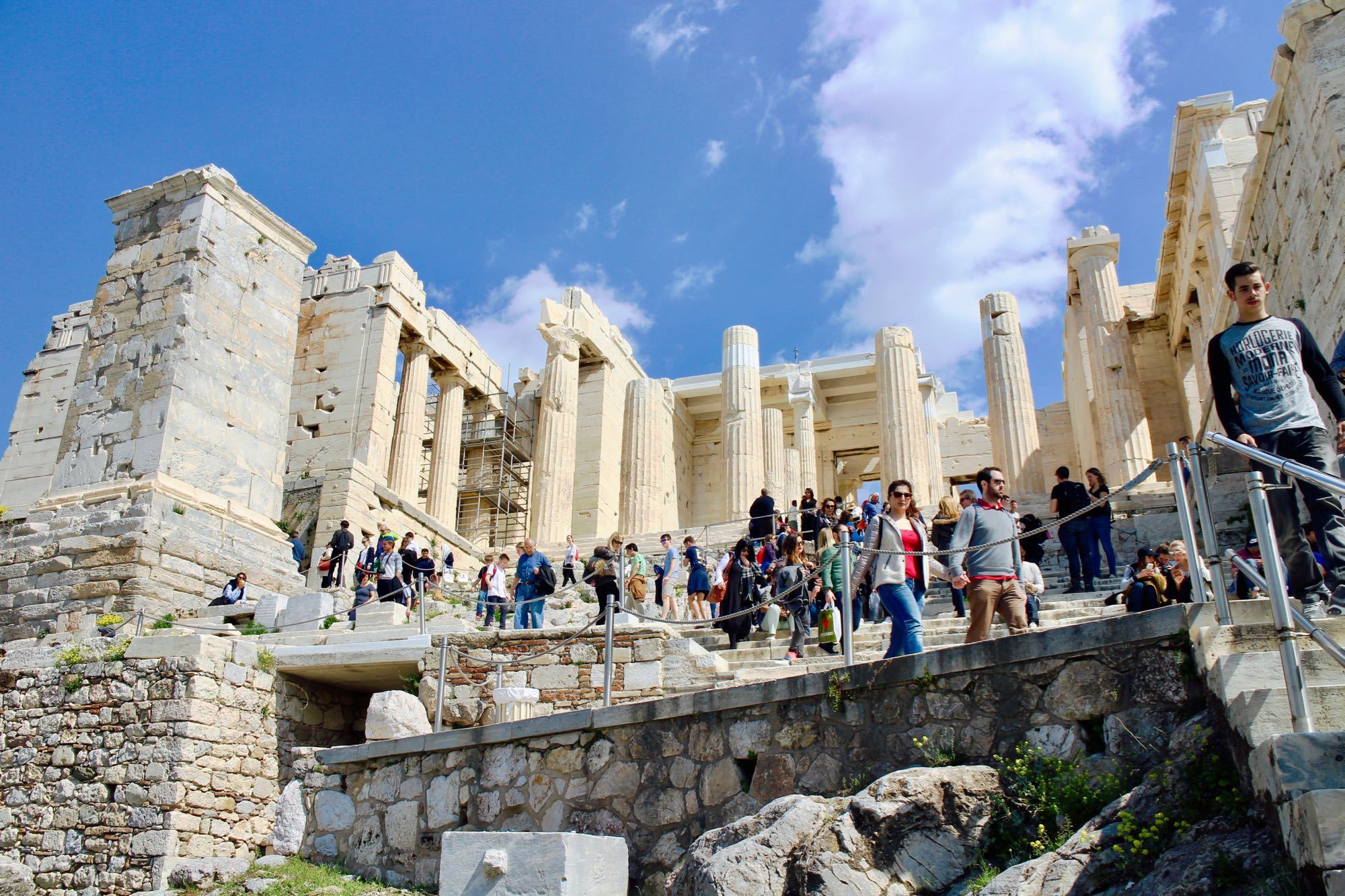
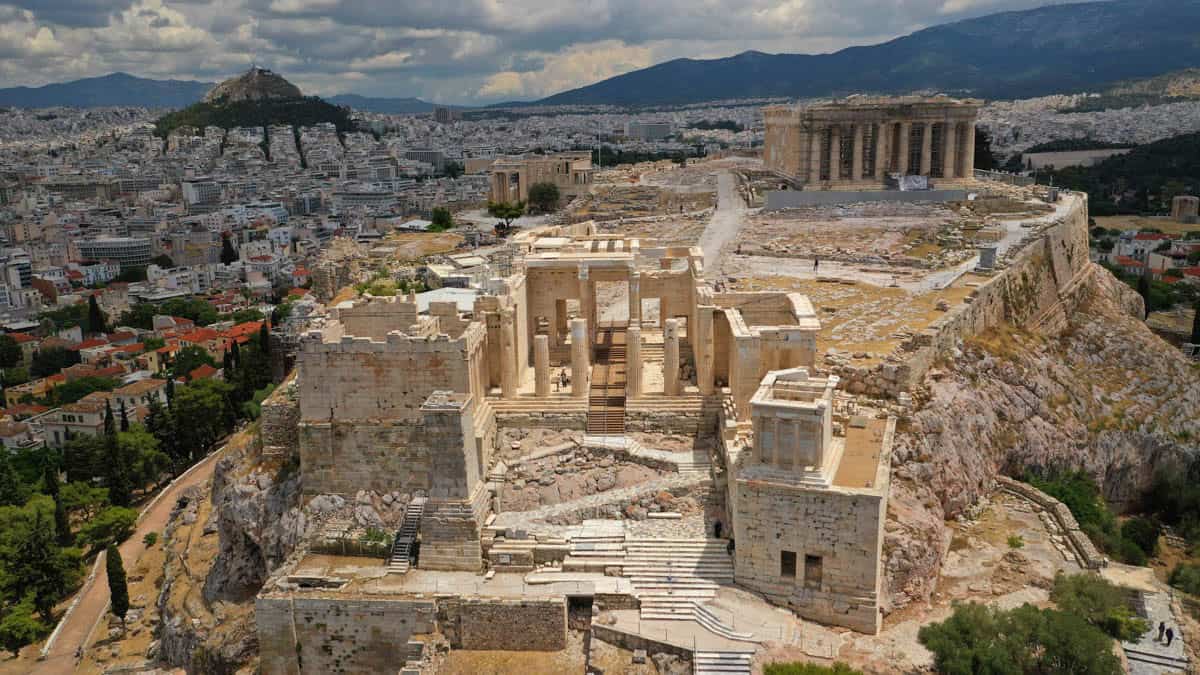
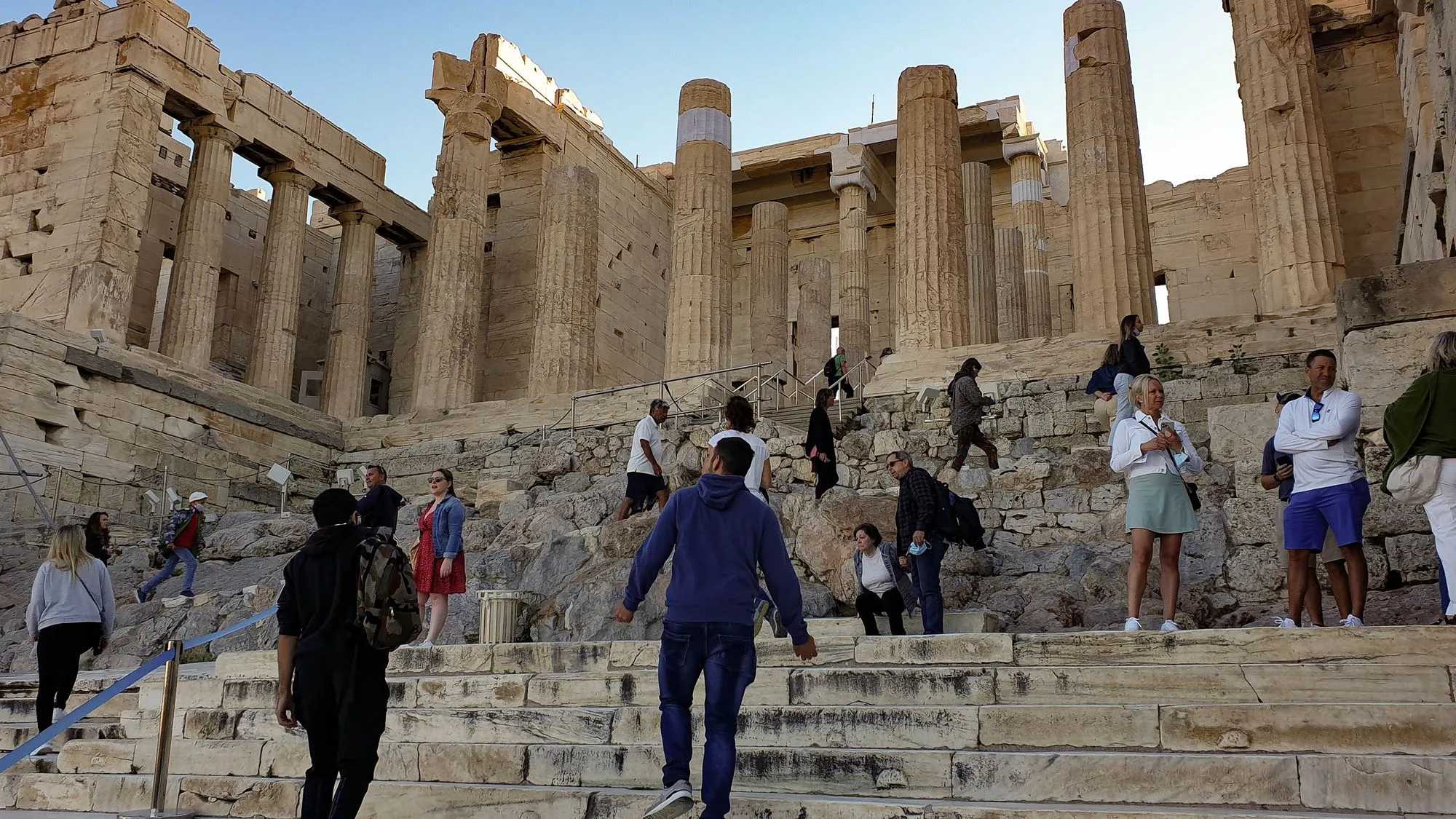
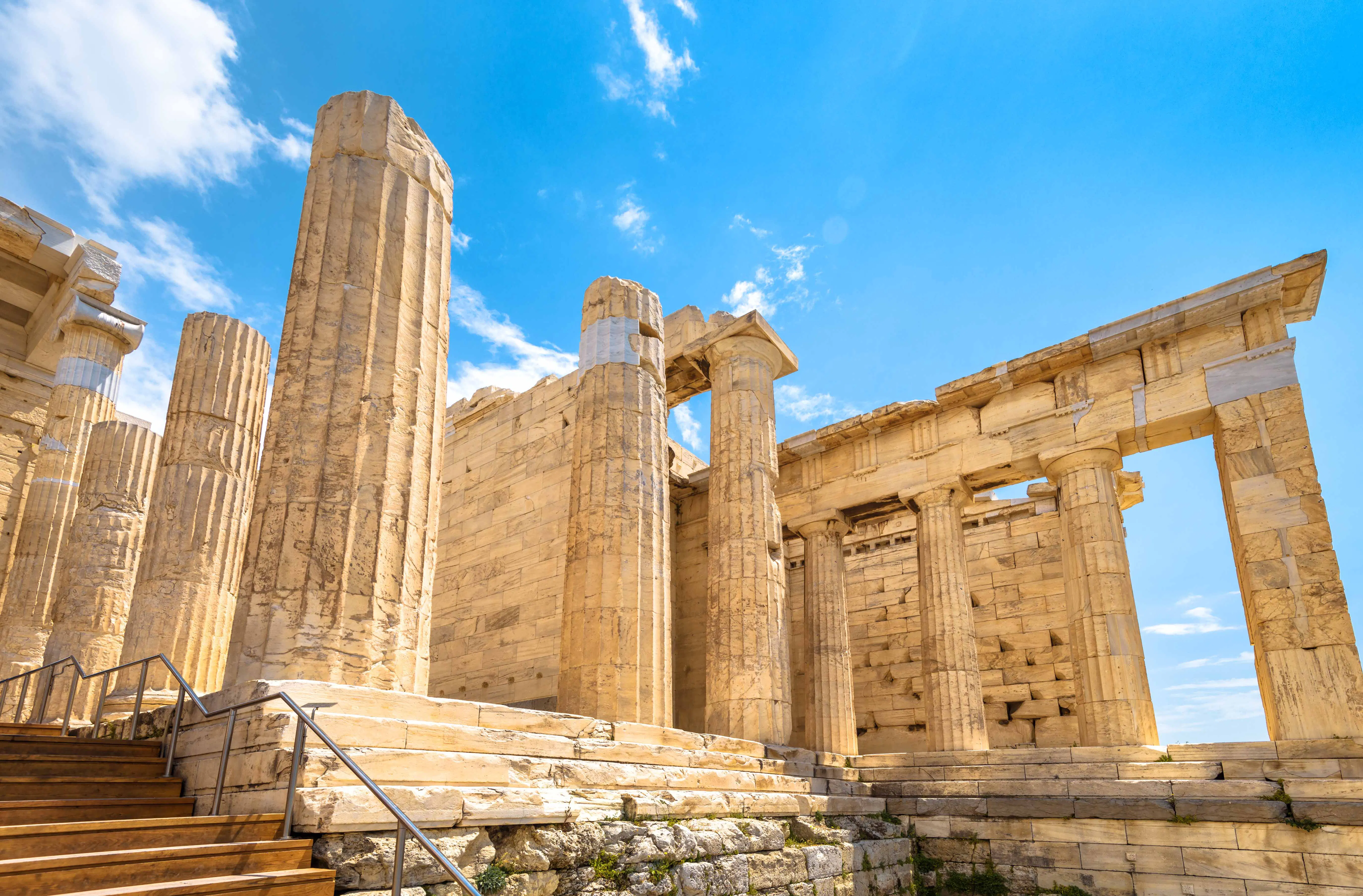
Exploring the monumental gateway
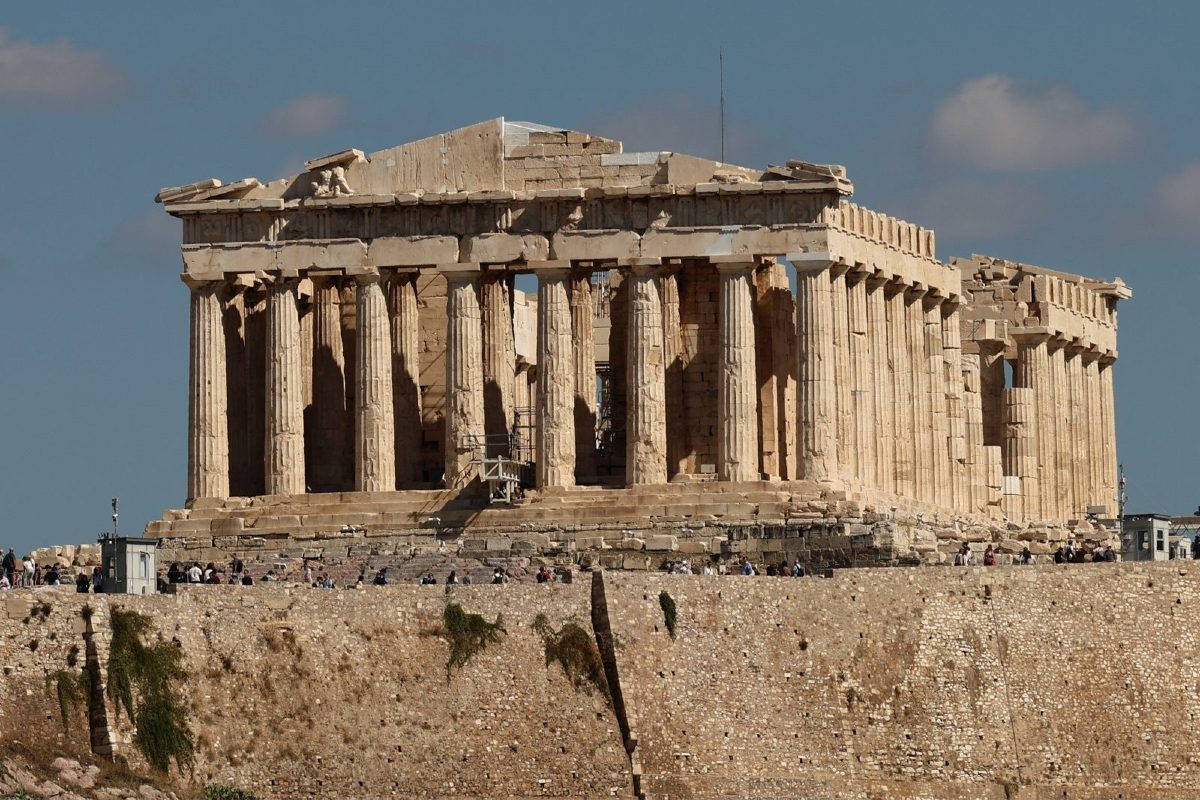
Viewing the temple of Athena
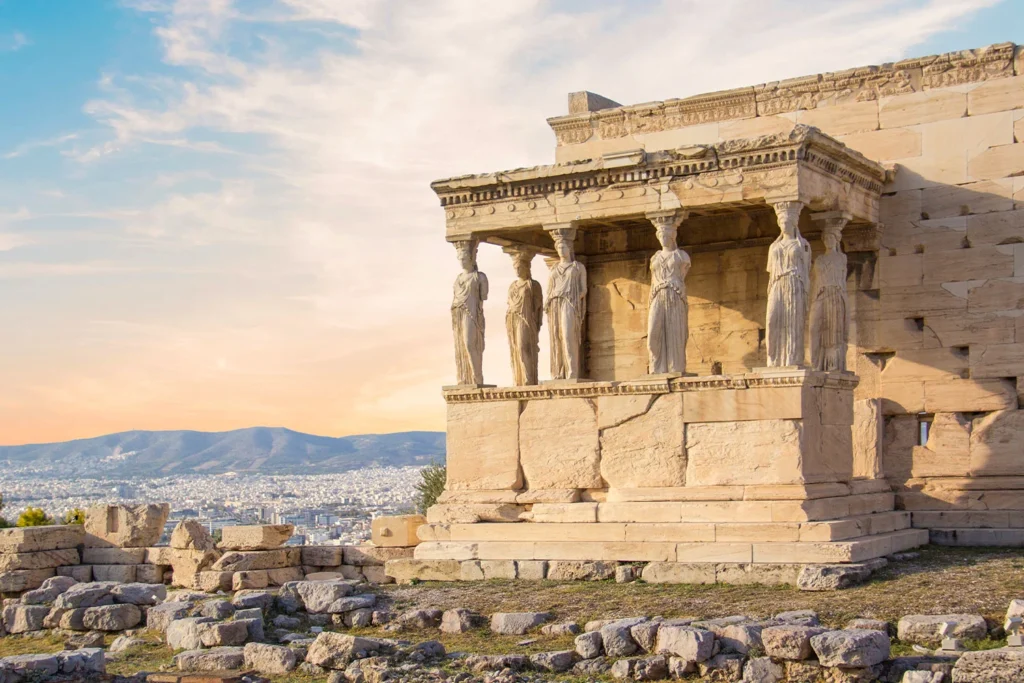
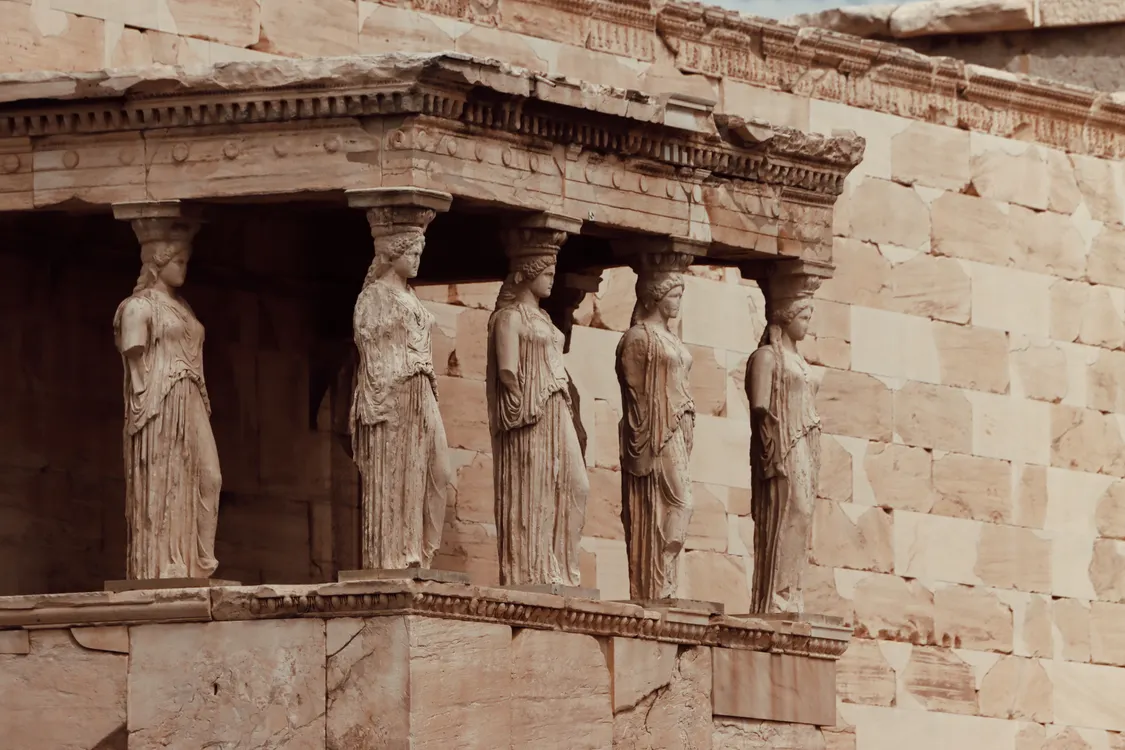
Admiring the porch of the maidens
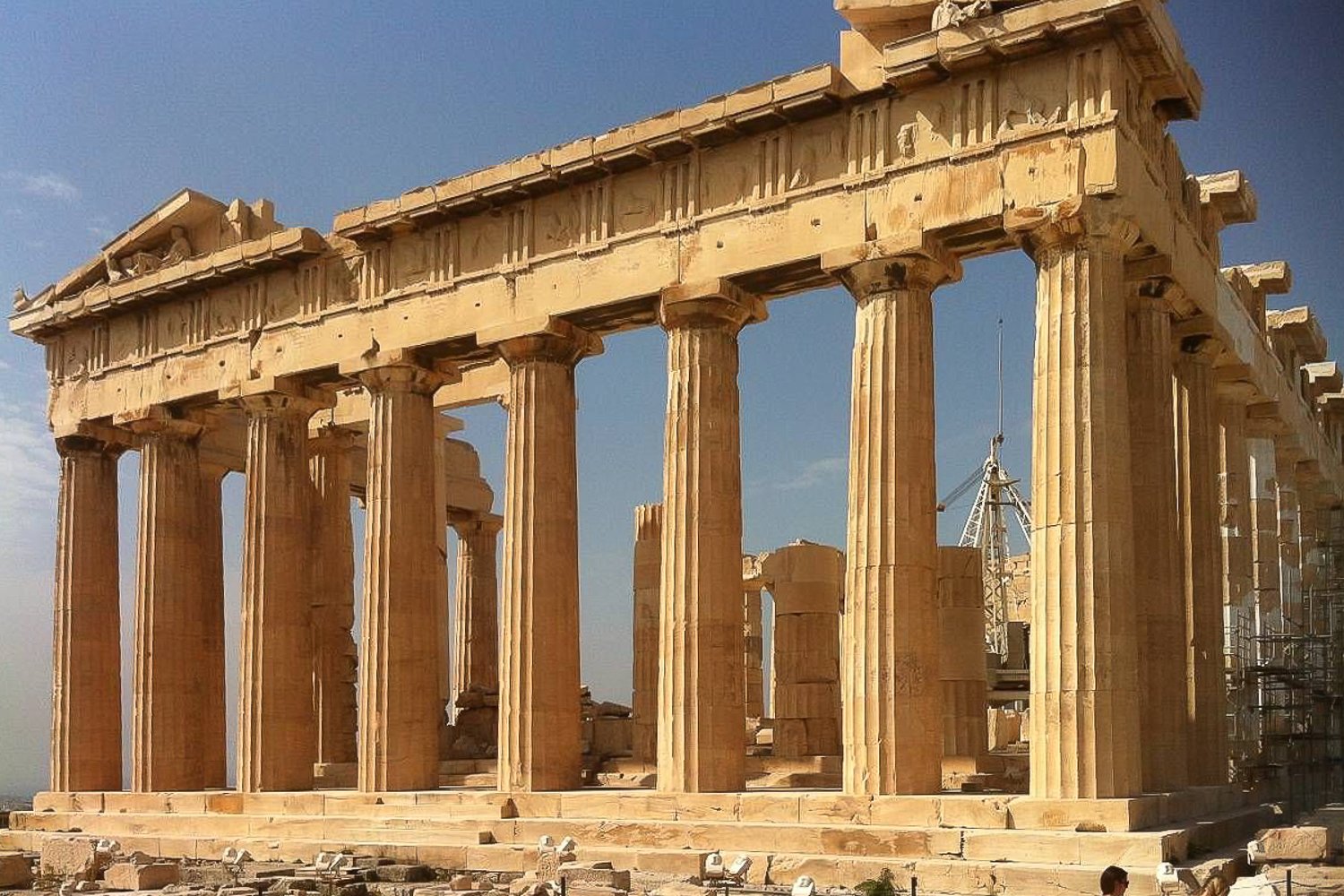
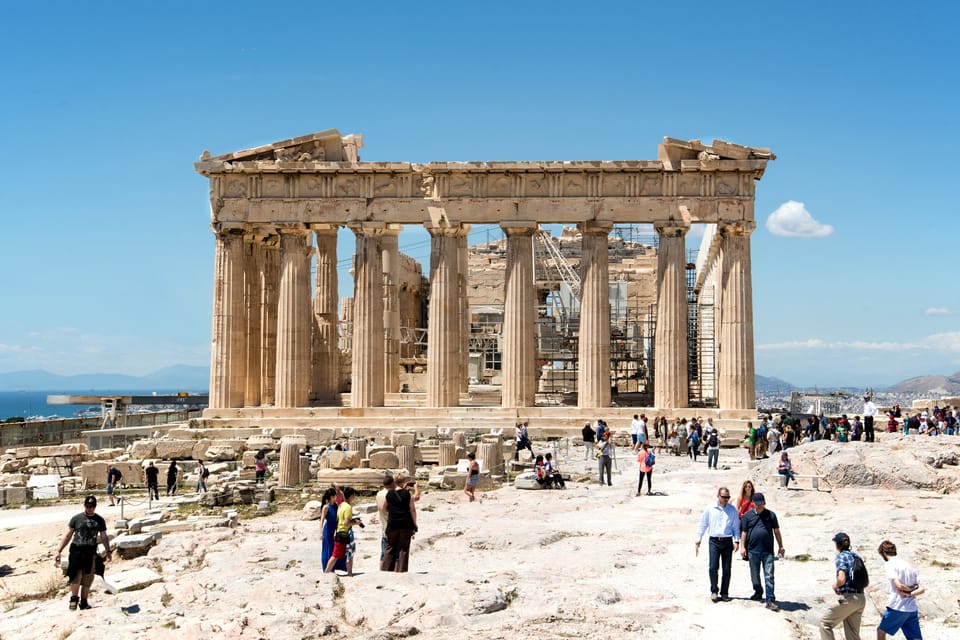
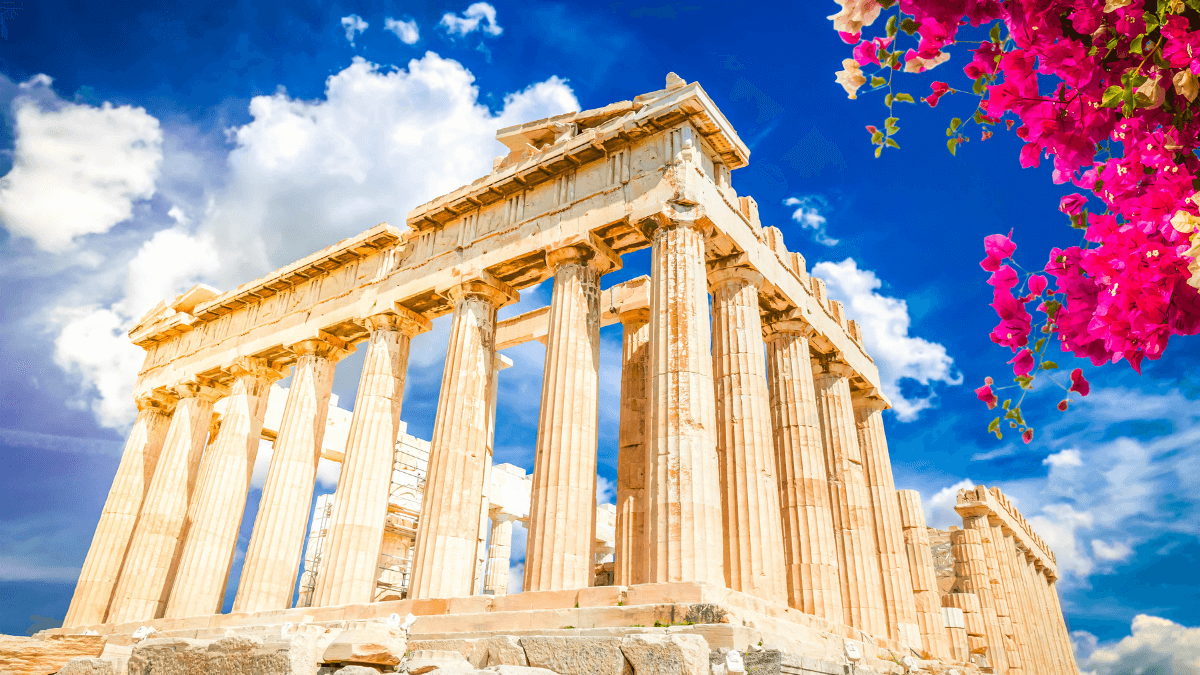
This iconic temple was completed in 438 BC and serves as a testament to Doric architectural precision. It features 46 outer columns and 19 inner columns at its main structure.
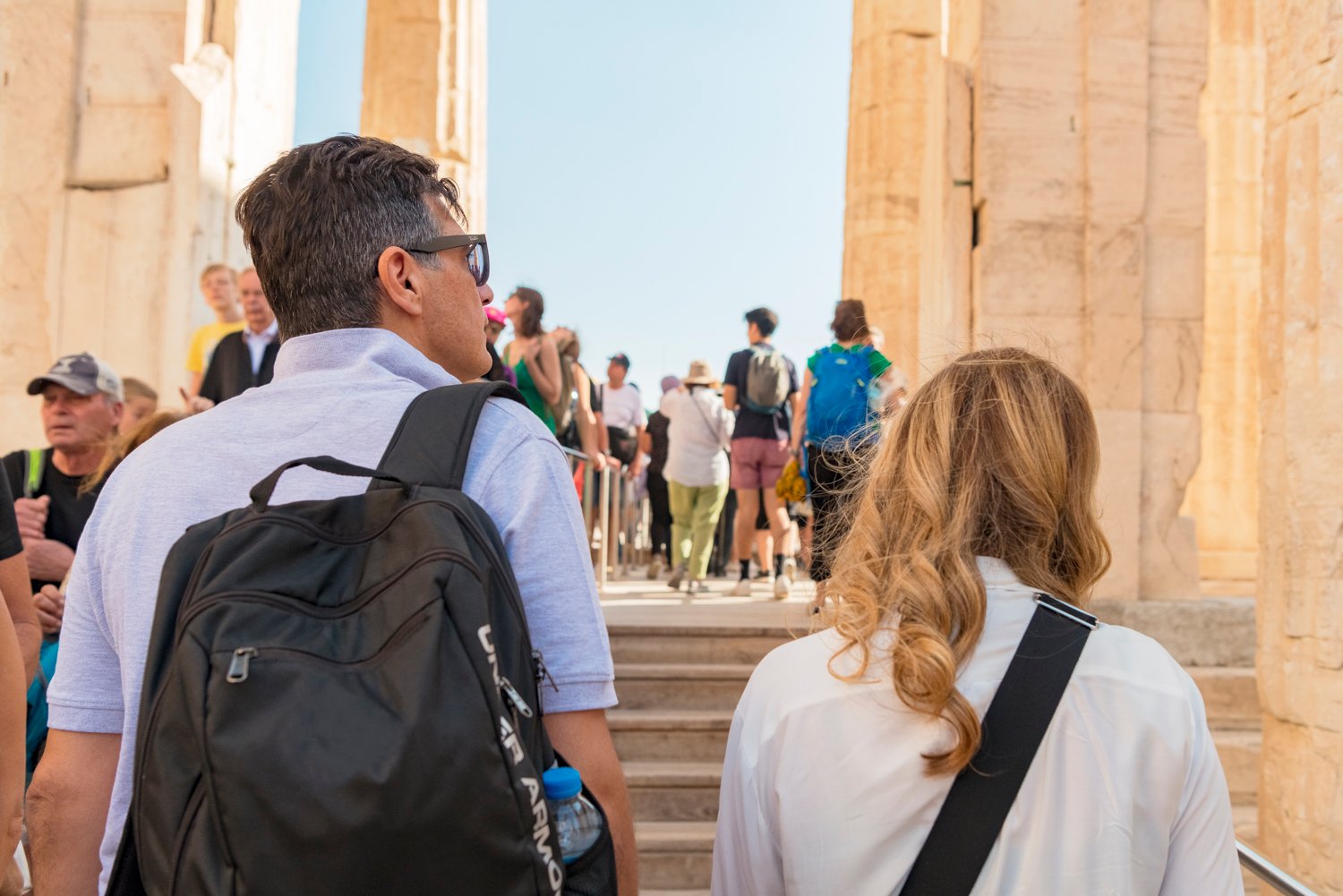
You enter through the Beulé Gate at 08:00, joining your guide beneath the Roman arch before cruise groups arrive. The climb to the Propylaia takes eight minutes, marble steps polished smooth by centuries of pilgrims.
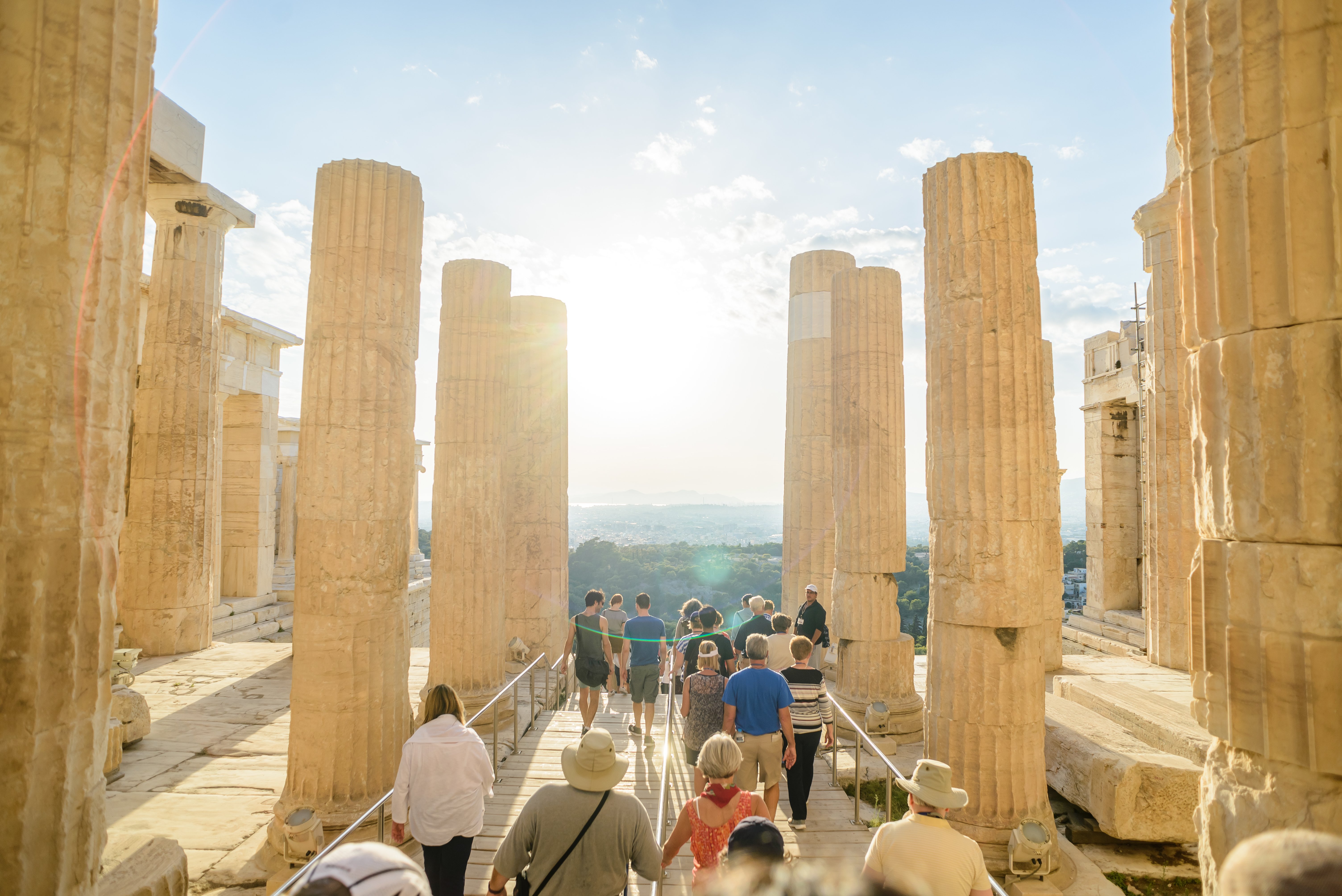
Your archaeologist pauses at the Temple of Athena Nike to explain the parapet frieze's sandal-binding relief, then leads you through the Propylaia's central corridor where Pentelic marble glows amber in morning light.
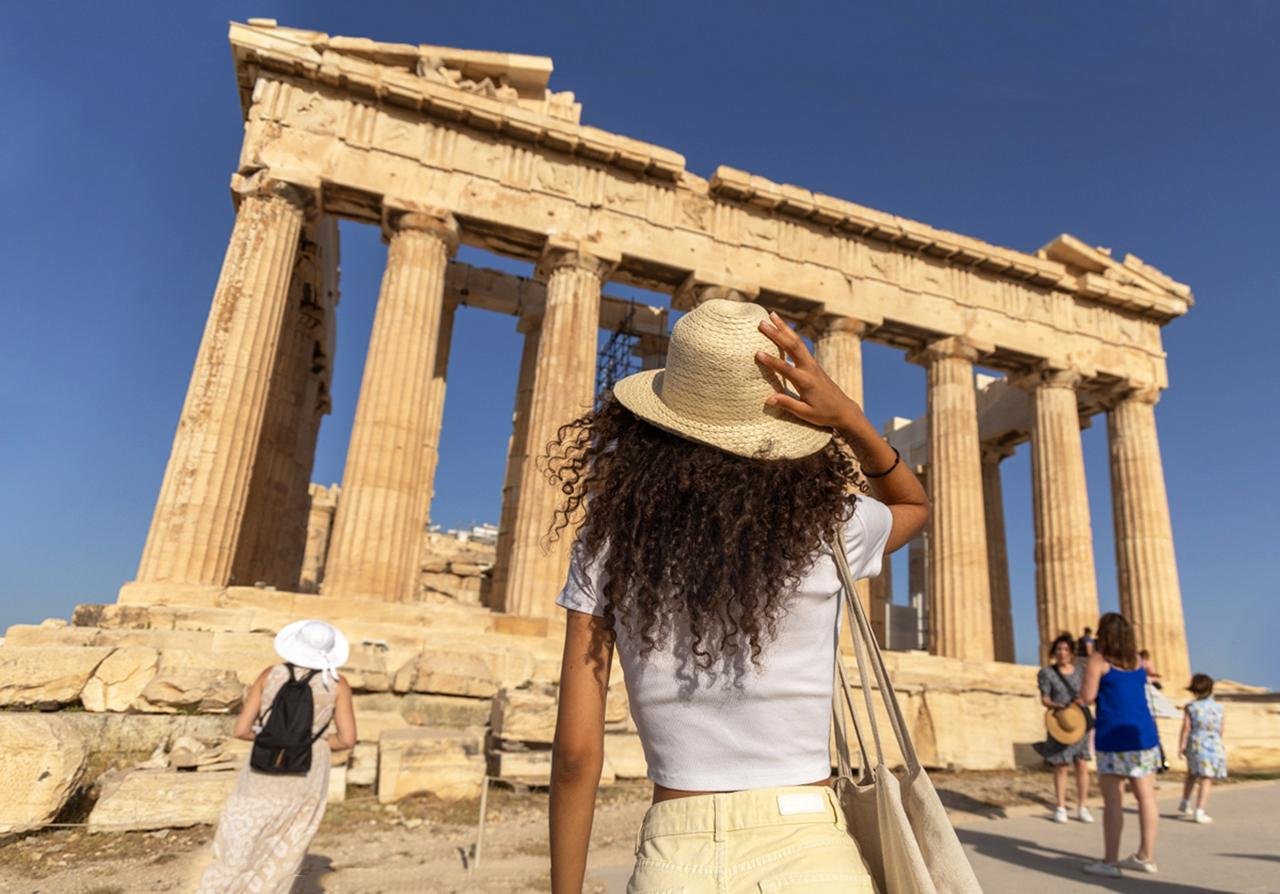
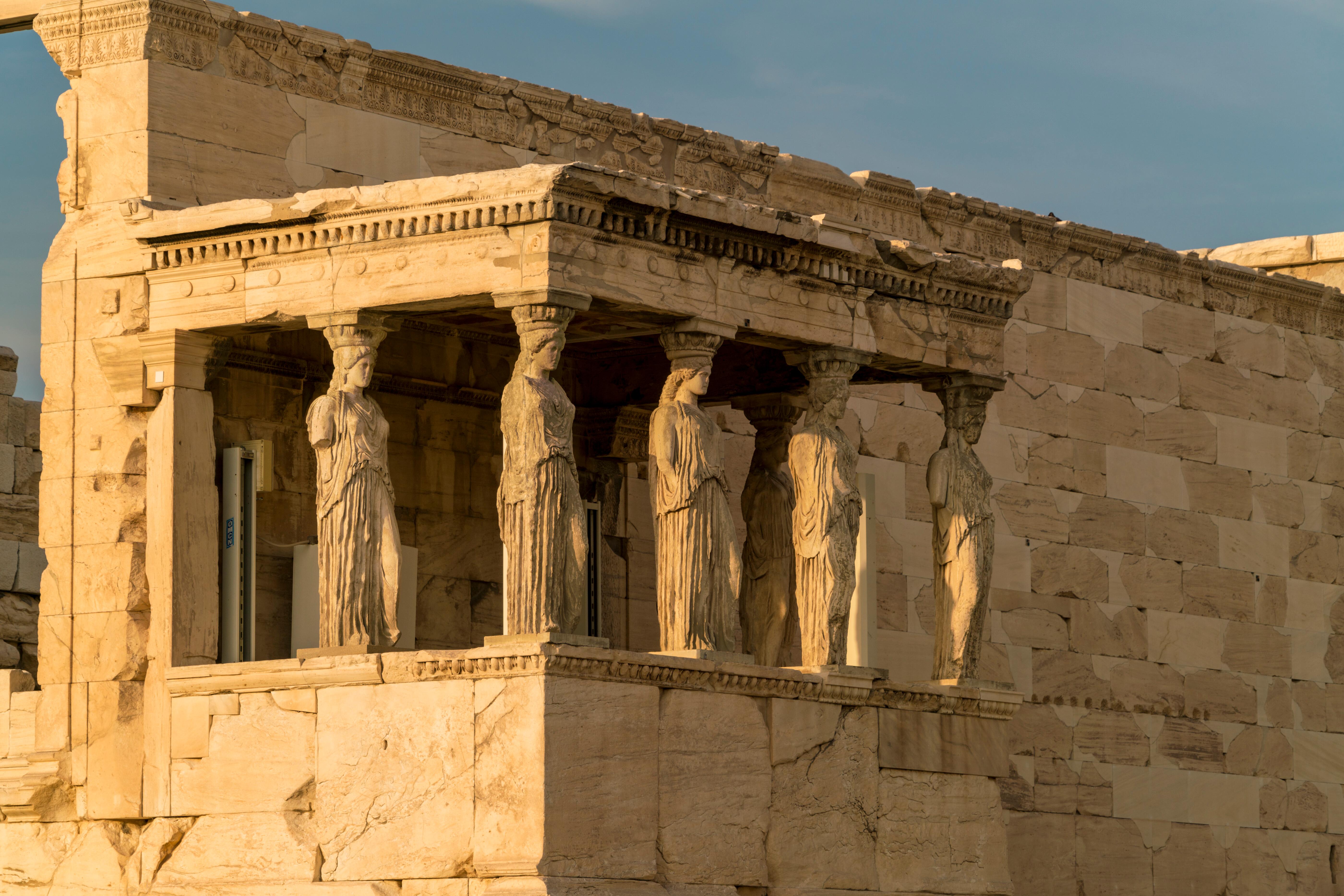
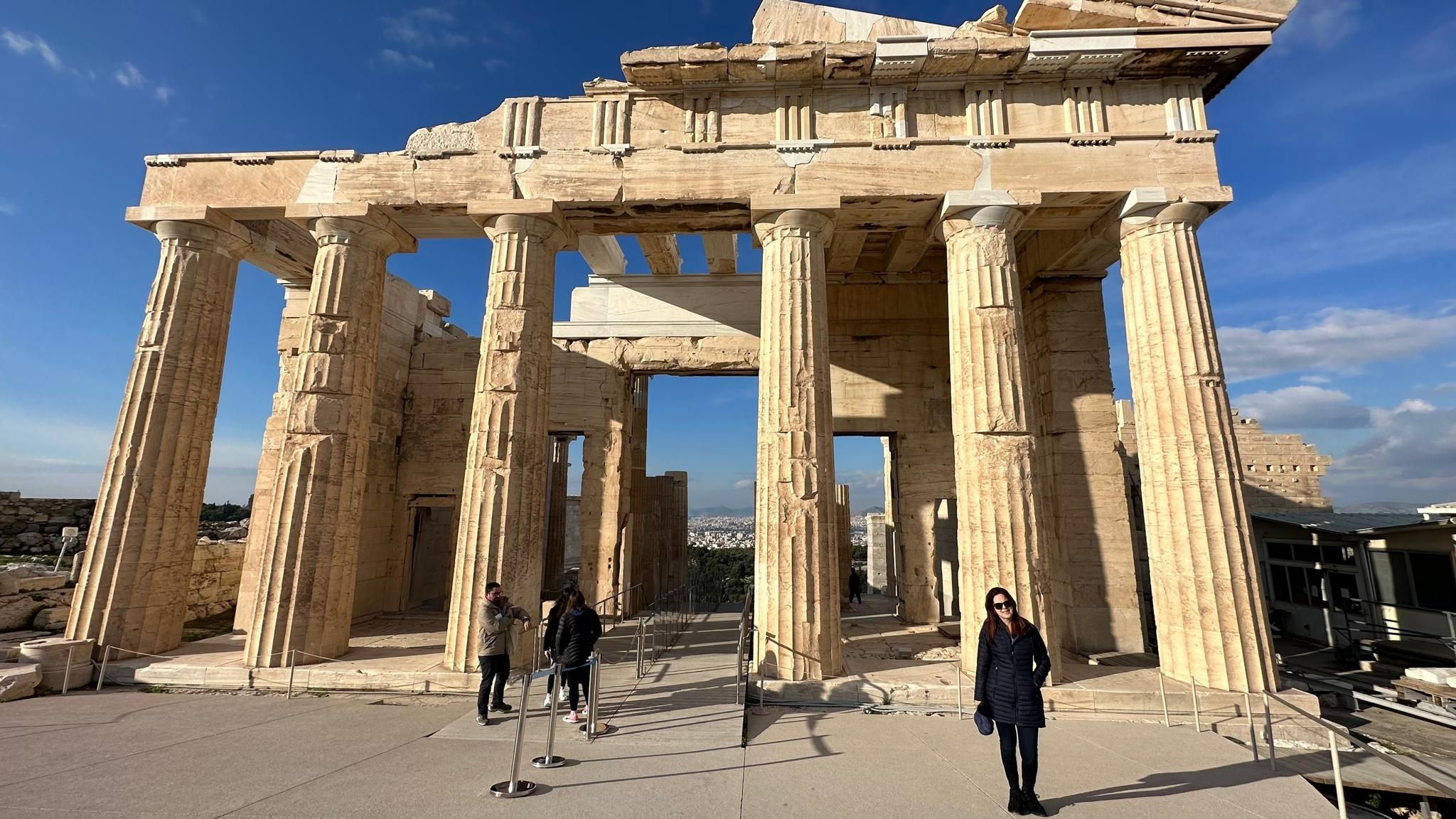
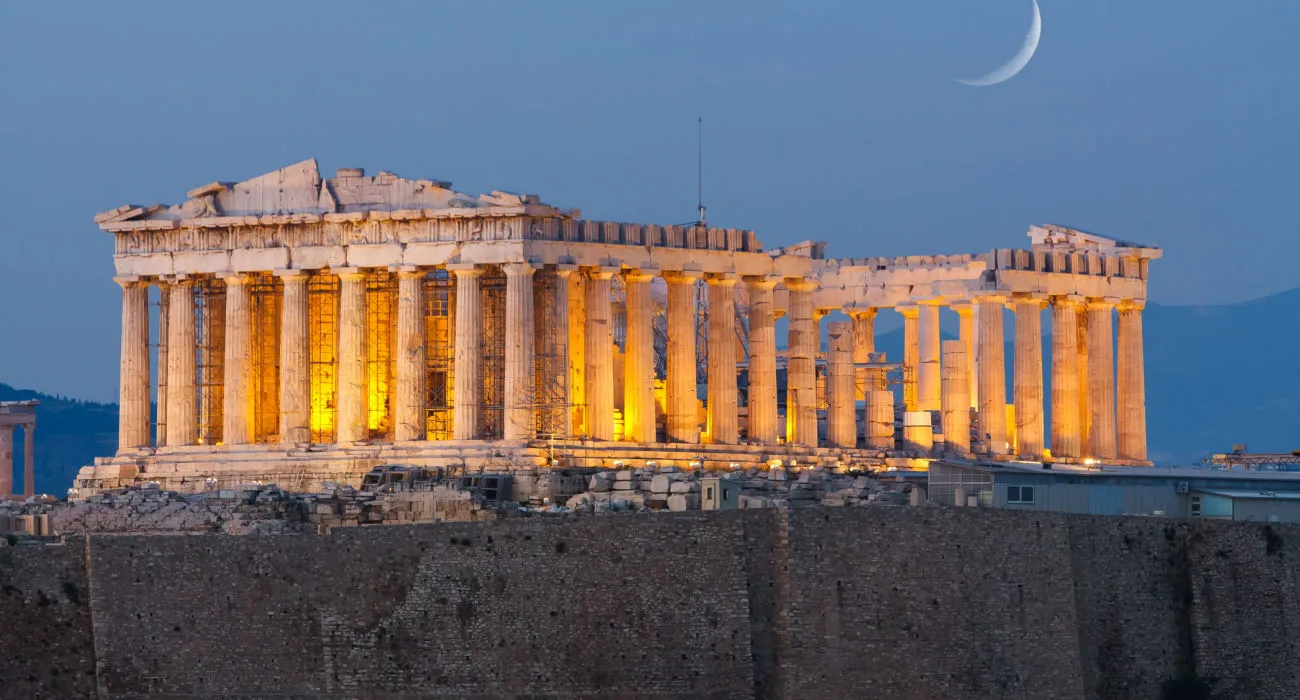
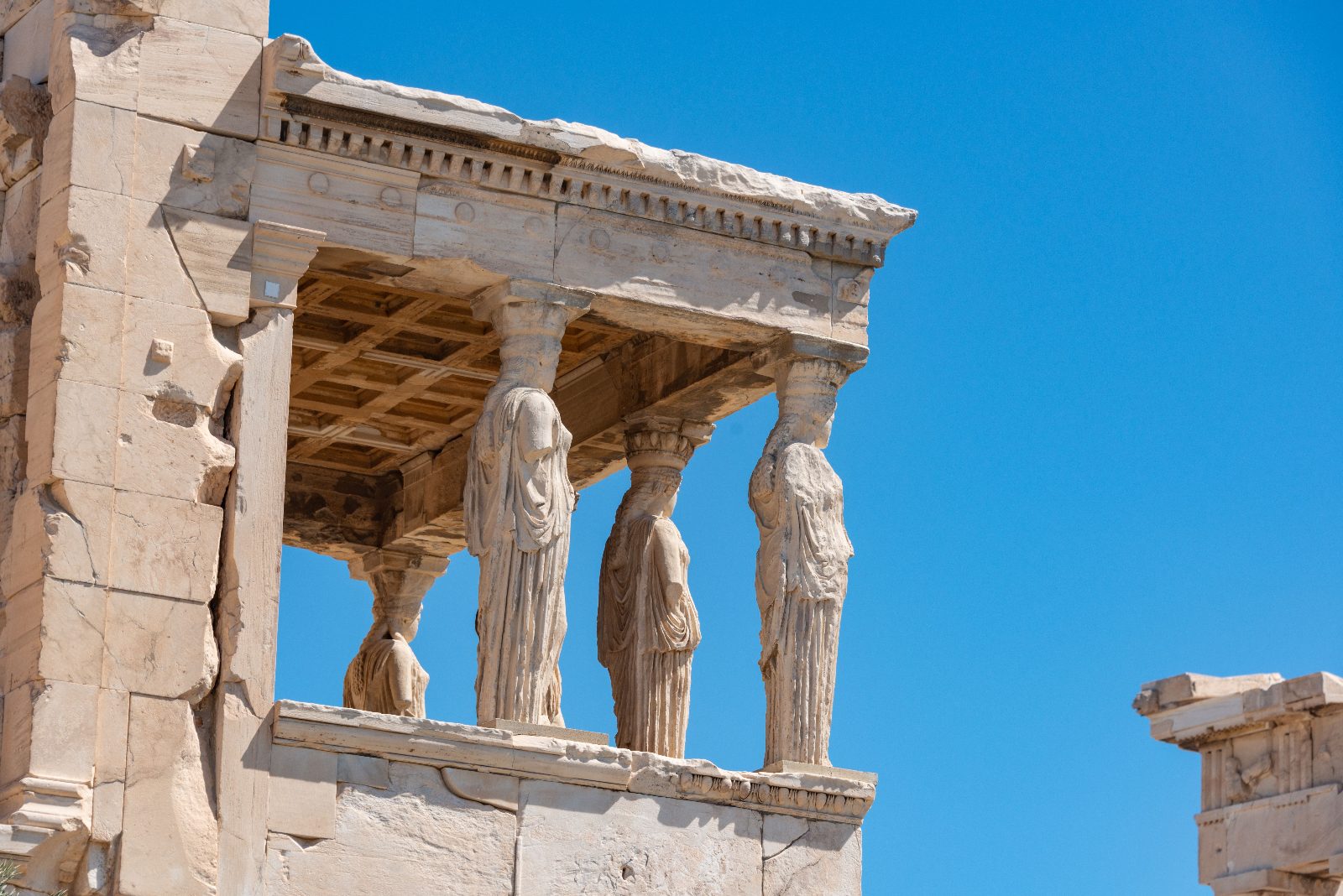
The Parthenon rises 70 metres ahead, its western façade catching horizontal sun. You circle the peristyle counterclockwise, stopping at the north colonnade where your guide traces the Panathenaic procession's frieze layout and points out clamp holes from Phidias's original chryselephantine statue installation. The Erechtheion's north porch frames views of Lycabettus Hill; the Porch of the Caryatids stands 15 paces south, five maidens supporting the entablature while the sixth resides in the British Museum.
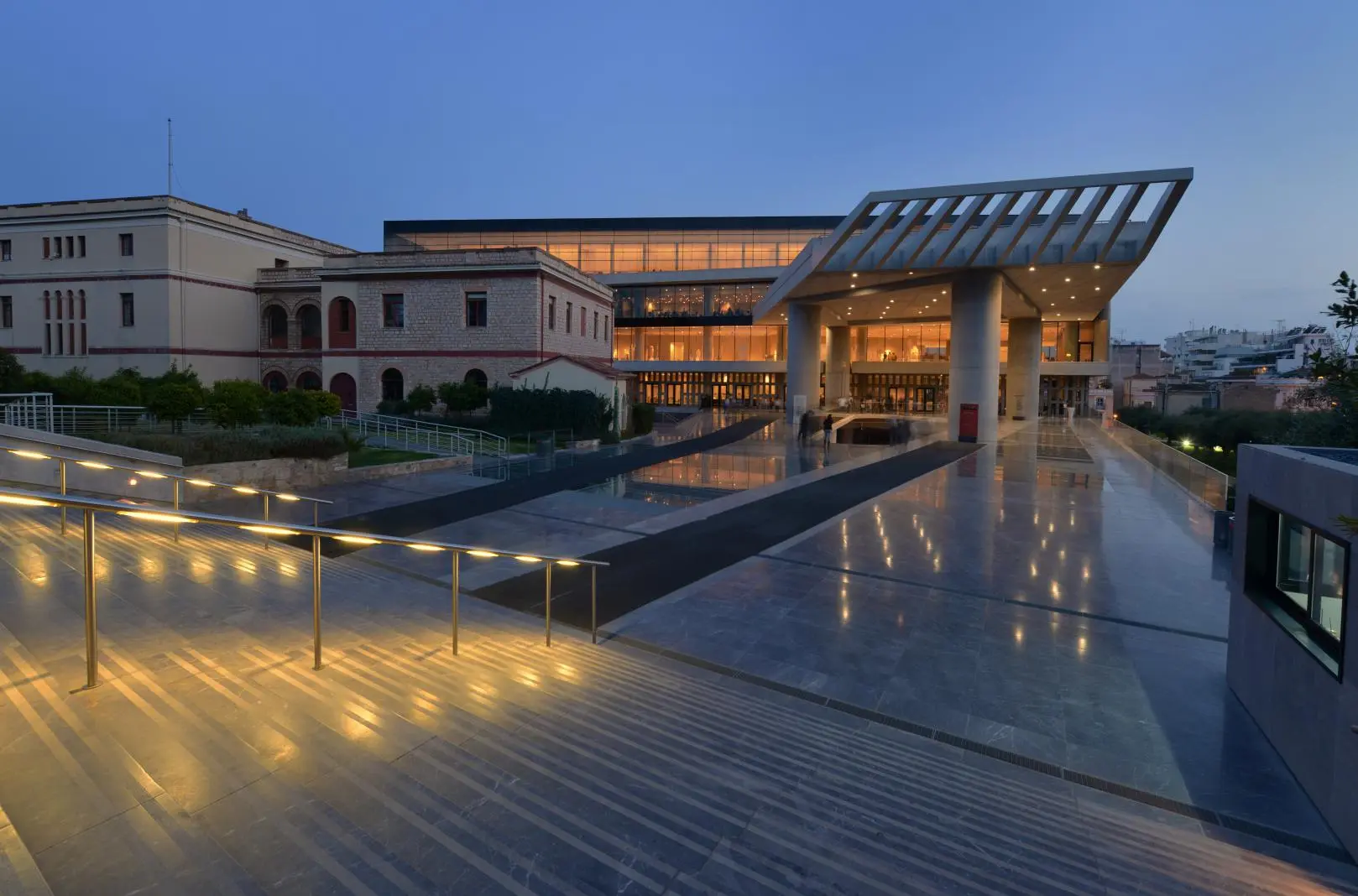
Your tour descends the south slope to the New Acropolis Museum, where the top-floor Parthenon Gallery arranges 50 surviving metopes and 160 metres of frieze in their architectural sequence. You stand at eye level with horsemen and gods, the glass walls reflecting the actual temple 280 metres northwest.
All the details about your upcoming adventure in one place
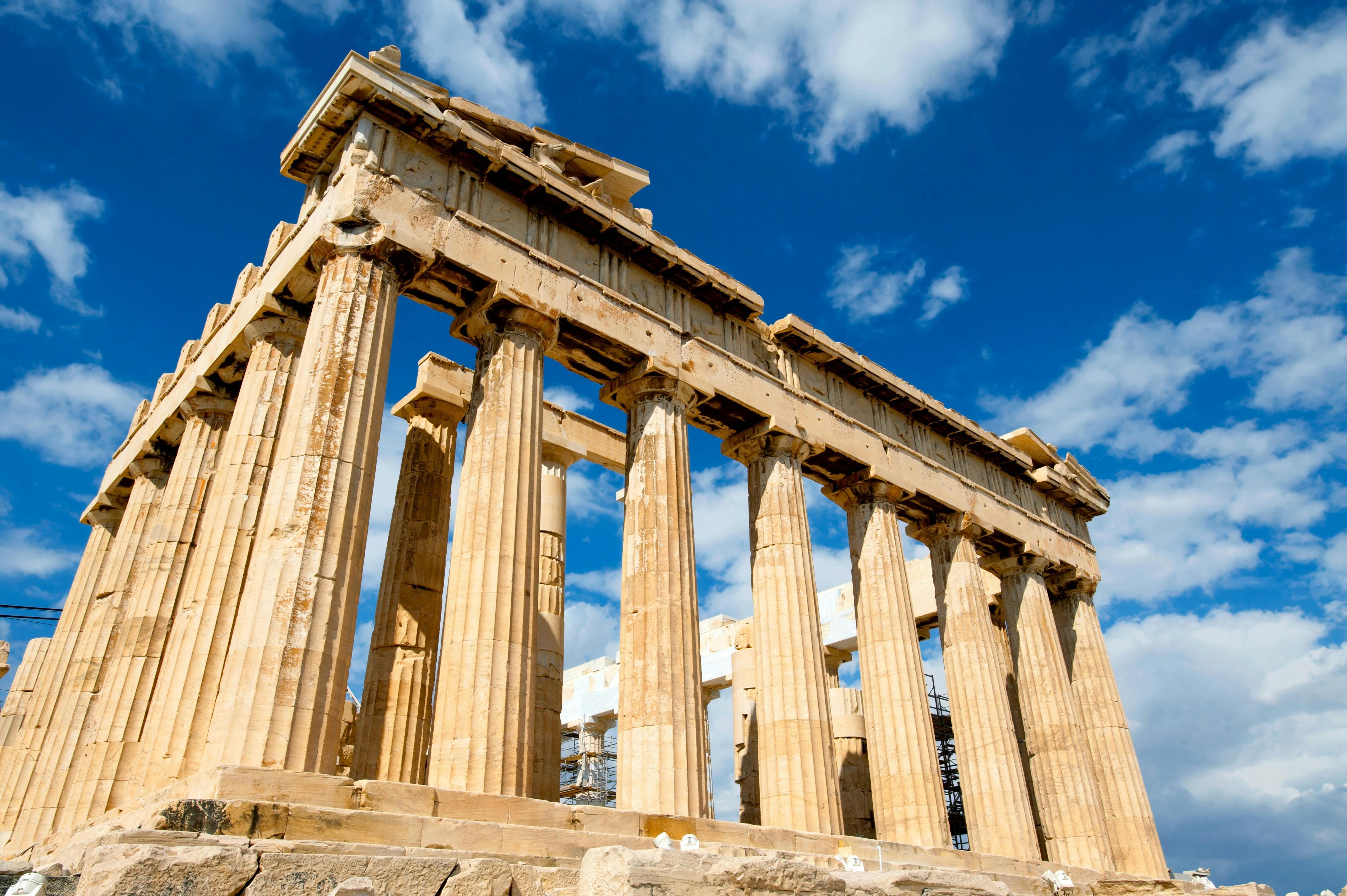
The Parthenon's 69.5-metre colonnade has stood for 2,447 years without mortar — every drum locked by iron clamps and gravity alone. Commissioned by Pericles in 447 BCE and completed in 438 BCE, the temple to Athena Parthenos cost 469 silver talents, equivalent to the annual tribute of the entire Delian League.
Ictinus and Callicrates engineered optical corrections into every surface: columns swell slightly at mid-height, corner pillars stand closer together, the stylobate curves upward 6 centimeters at its centre. These refinements counteract perspective distortion, rendering the structure visually perfect from the Propylaia approach.
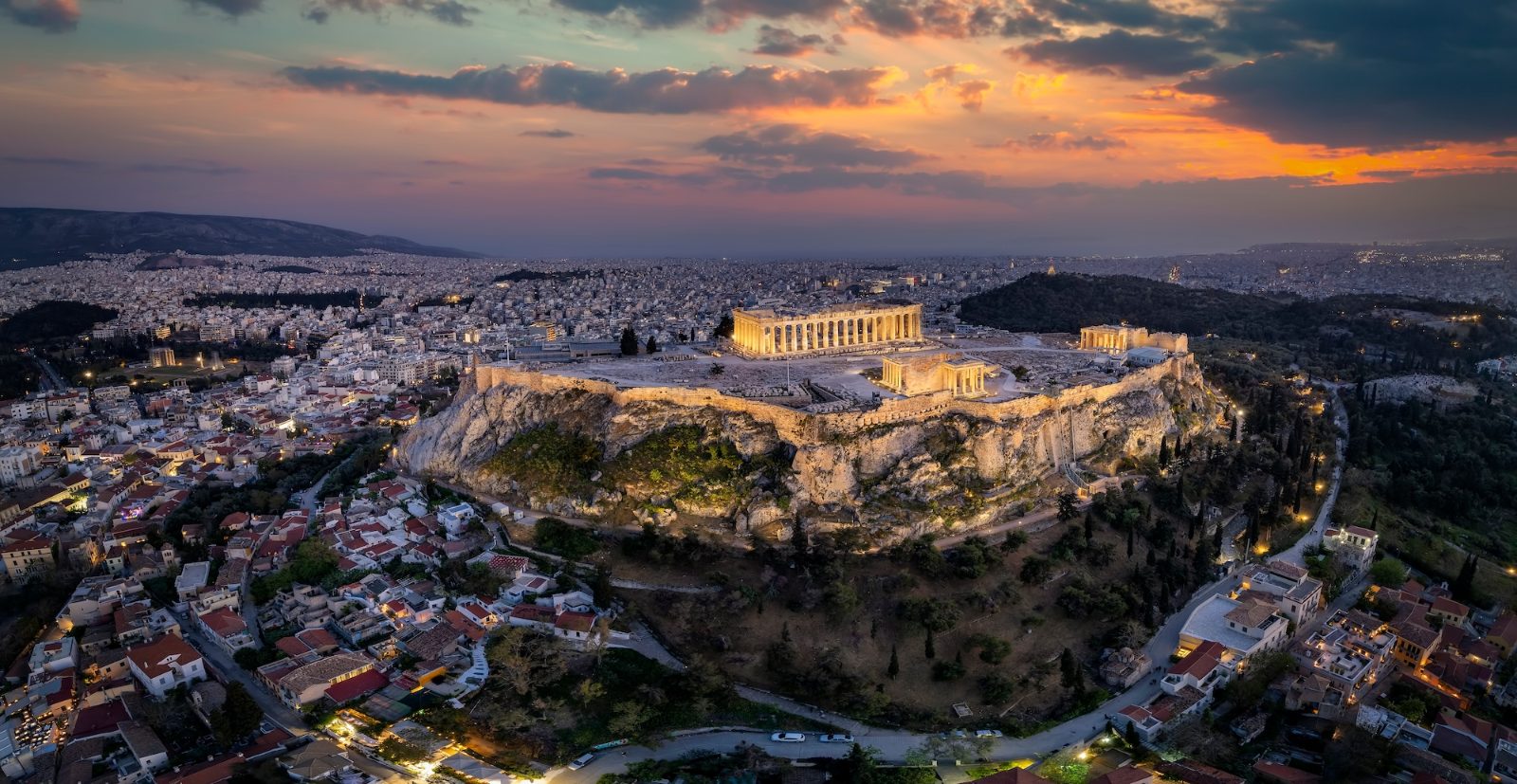
Today the Acropolis receives 3.9 million visitors annually, making it Greece's most-visited monument and a UNESCO World Heritage site since 1987. The 156-metre limestone outcrop defines the Athenian skyline, its summit temples visible from Piraeus 10 kilometres southwest. Private tour Acropolis and Parthenon experiences grant access to interpretive layers invisible to general-admission crowds: the cella's original Phidian frieze layout, the western pediment's bronze chariot traces, the Erechtheion's caryatid engineering. Archaeological experts decode structural scars — Venetian cannon damage from 1687, Ottoman-era mosque conversions, Lord Elgin's 1801–1812 extraction operations that removed 247 feet of frieze and 15 metope panels.
The site opens at 08:00 daily, when horizontal light rakes across Pentelic marble and illuminates tool marks left by fifth-century BCE masons. The Sacred Rock's pathways climb 70 vertical metres through the Beulé Gate and monumental Propylaia, past the Temple of Athena Nike's Ionic capitals, to the plateau where the Parthenon and Erechtheion anchor the sanctuary complex. Guided Acropolis tours connect the summit to the New Acropolis Museum 280 metres southeast, where the Parthenon Gallery's glass floor reveals excavated ancient neighbourhoods and the frieze runs at eye level in its original 160-metre sequence. This dual-site itinerary traces Athens' transformation from Bronze Age citadel to democracy's birthplace, offering context no signage alone provides.

Every drum locked by iron clamps and gravity alone — 2,447 years without mortar.
Modest clothing is recommended when exploring the site as a sign of respect. Comfortable, sturdy walking shoes are essential for the uneven limestone surfaces found on a private tour acropolis and parthenon.
Only small bags are permitted inside the archaeological site. Larger items must be left at your hotel or accommodation before beginning your private tour acropolis and parthenon.
Photography is permitted for personal use throughout the site. Professional equipment requiring tripods requires special permits, which are not included in a standard private tour acropolis and parthenon.
The site is open to all ages, but the terrain can be challenging for strollers. Carrying toddlers in a backpack-style carrier is often easier for parents on a private tour acropolis and parthenon.
While the site has installed a modern lift for visitors with mobility issues, much of the terrain remains steep and uneven. Please notify your guide in advance if you require assistance during your private tour acropolis and parthenon.
Only water bottles are permitted within the perimeter of the ancient site. Consumption of food is prohibited to preserve the integrity of the UNESCO world heritage ruins.
Opening hours
08:00–20:00
Address
Athens 105 58, Greece
Entry
Standard adult ticket 30 EUR
Arrival
08:00–10:00 avoids peak crowds
Storage
No lockers available on site
Navigation
Use official site https://tickets.hh.gr
Public transport · 20 min · 1.20 EUR
Take the Metro Line 2 to Acropolis station. This is the most efficient way to reach the site.
Taxi · 15 min · 10-15 EUR
Request drop-off at the pedestrian base near the main entrance. Traffic can be heavy near the center.
Full refunds are available for cancellations requested at least 24 hours prior to the scheduled tour. All bookings are subject to the standard entrance fee of 30 EUR per person.
Recommended time
2.5-3 hours
A private tour acropolis and parthenon requires approximately three hours to explore the Propylaea, the Erechtheion, and the temple architecture without rushing. Booking a skip-the-line Athens landmark tour helps navigate the marble pathways efficiently, though afternoon visitors often face significant congestion near the summit. To optimize your experience, consider that private tour acropolis and parthenon tours provide deep insight into the UNESCO heritage site beyond basic sightseeing. If you secure your private tour acropolis and parthenon tickets for an early slot, you can observe the archaeological remains while managing the flow of group traffic.
Crowd levels through the day
Weather · crowds · average price — dots go green to amber to red as each metric rises.
Mild temperatures and blooming flowers make this a peak season for visitors.
Expect high temperatures and intense sun, requiring early morning visits.
September and October offer pleasant weather ideal for walking tours.
Crowds are significantly thinner, though you should be prepared for cooler, rainy days.
The marble paths are polished smooth by centuries of foot traffic and become slippery. Prioritize rubber-soled shoes for stability during your private tour acropolis and parthenon.
The official site lists daily ticket availability and any emergency closures. Book your private tour acropolis and parthenon tickets well in advance to ensure your preferred slot.
There is very limited shade on the summit during the middle of the day. A reusable bottle is essential for a comfortable private tour acropolis and parthenon.
The site is best navigated by moving from the Propylaea toward the higher ground. A private tour acropolis and parthenon ensures you follow the most efficient route.
The Acropolis served as a fortified Mycenaean citadel by the thirteenth century BC, its natural limestone plateau offering strategic dominance over the Attic plain. After the Persian sack of 480 BC reduced earlier temples to rubble, Pericles launched a reconstruction campaign in 447 BC that transformed the summit into a sanctuary of unprecedented scale. The Parthenon rose under architects Ictinus and Callicrates, its Pentelic marble columns engineered with subtle entasis to counter optical distortion, while Phidias directed the sculptural program that lined the frieze and pediments with mythological narratives. Construction concluded in 432 BC, seventeen months before the Peloponnesian War drained Athens of resources and confidence. The structure survived antiquity as a functioning temple until the sixth century AD, when Christian authorities converted it into a church dedicated to the Virgin Mary, sealing the western door and carving an apse into the eastern cella. Ottoman forces seized Athens in 1458 and repurposed the Parthenon as a mosque, adding a minaret to the southwest corner. The catastrophic Venetian siege of 1687 detonated Turkish gunpowder stored inside, obliterating the central colonnade and interior walls. Lord Elgin's agents removed half the surviving frieze and seventeen pediment figures between 1801 and 1812, shipping them to London and igniting a repatriation dispute that persists in diplomatic channels today. Greek independence in 1832 triggered clearance of medieval and Ottoman additions, though structural interventions through the twentieth century introduced iron clamps that accelerated marble fracturing through rust expansion. The current restoration, initiated in 1975 under architect Manolis Korres, employs titanium dowels and laser-cut anastylosis to reverse earlier damage while returning displaced blocks to their documented positions. Private tour acropolis and parthenon experiences now navigate scaffolding that frames this generational repair effort, where ancient engineering meets contemporary conservation science. The Acropolis Museum, opened in 2009 at the southern base, displays original caryatids and frieze sections in climate-controlled galleries, leaving weather-resistant copies on the summit where thermal expansion and acid rain continue their geologic work.
Mycenaean kings fortify the limestone outcrop as a defensive citadel overlooking the Attic plain.
Persian forces under Xerxes burn the Archaic temples during the invasion of Greece.
Pericles commissions the Parthenon; Phidias oversees the sculptural decoration and chryselephantine statue of Athena.
Byzantine authorities convert the Parthenon into a church, altering the interior layout and sealing the west entrance.
Venetian artillery ignites Ottoman gunpowder stored inside, destroying the roof and central columns.
Lord Elgin's team removes half the frieze and pediment sculptures, sparking the ongoing repatriation controversy.
Manolis Korres directs systematic restoration using titanium reinforcements and laser-documented anastylosis.
The Acropolis Museum opens, displaying original sculptures while replicas remain on the summit.
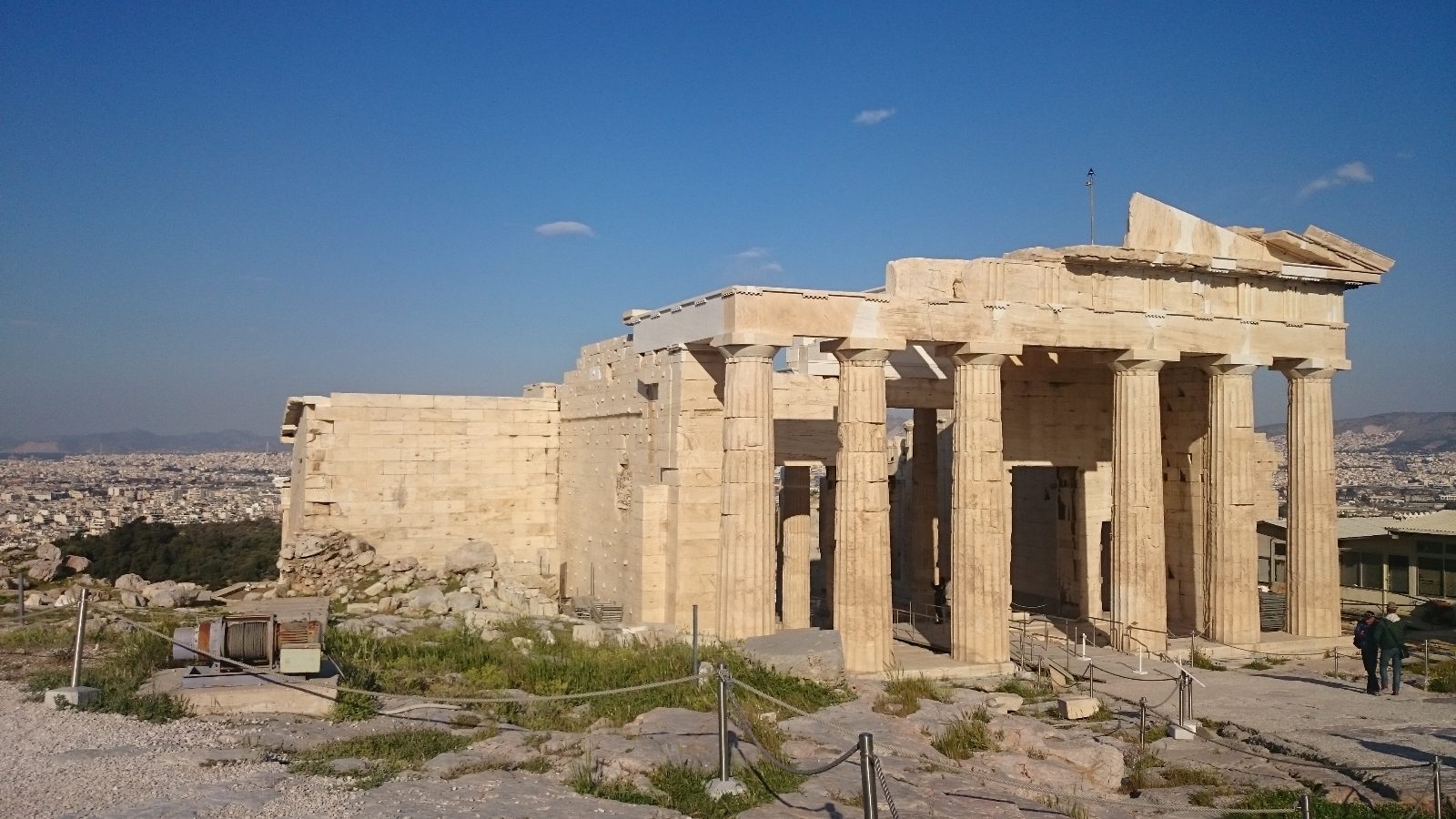
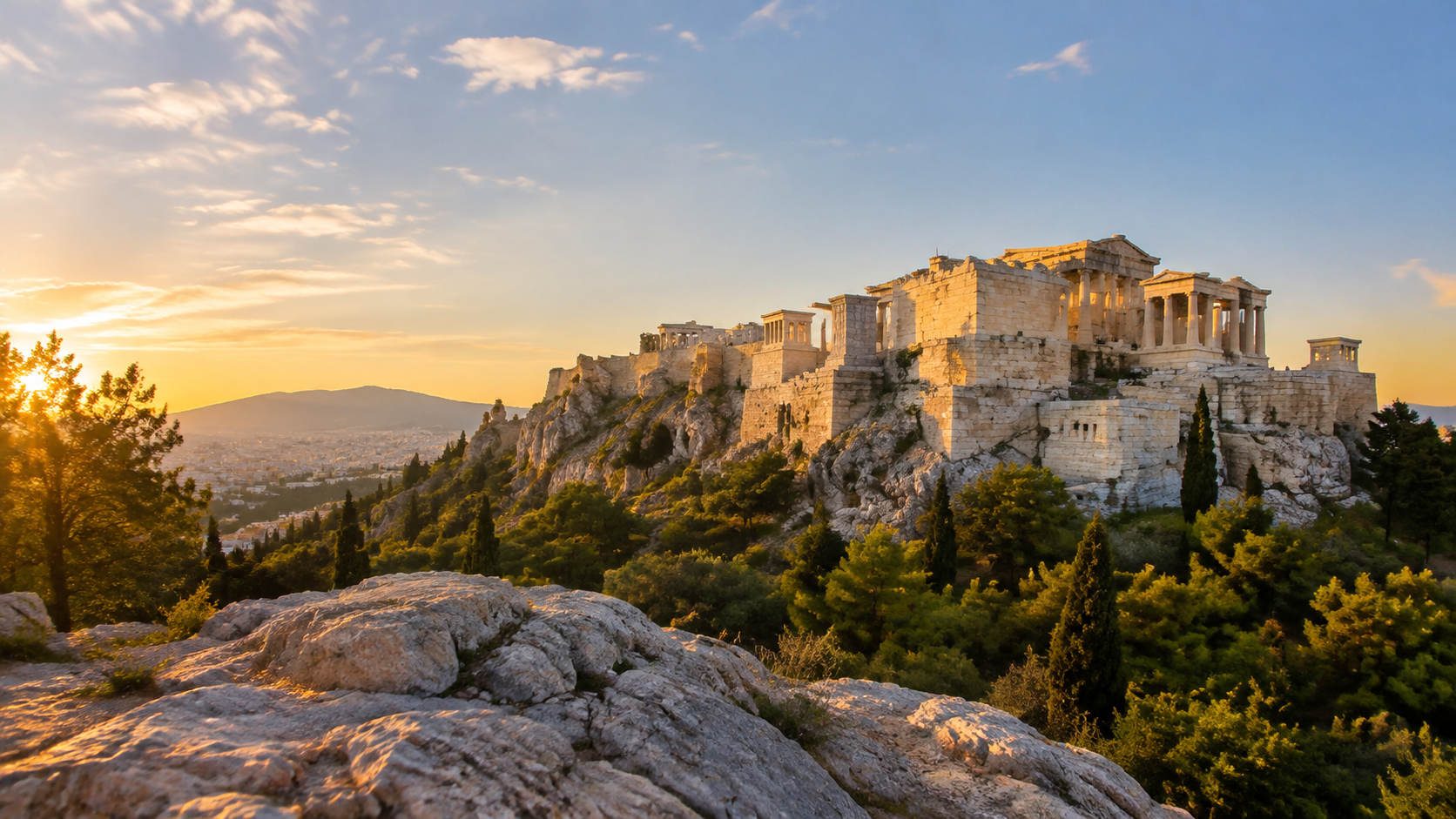
Position yourself on the limestone rocks for a panoramic frame of the Propylaea and the western facade. This elevation provides a clear perspective of the marble columns against the sky.
Stand just inside the monumental gateway to capture the transition from the modern city to the ancient citadel through the Doric columns. This angle emphasizes the scale and architectural geometry of the Athenian landmarks.
Walk along the northern edge of the plateau to photograph the interplay of light on the friezes and the massive structure. This perspective is frequently highlighted during a private tour acropolis and parthenon for its clear sightlines.
Capture the Caryatids from the lower terrace to frame the sculpted female figures against the backdrop of the distant hills. Many guests choose private tour acropolis and parthenon tours to gain the stability needed for these detailed compositions.
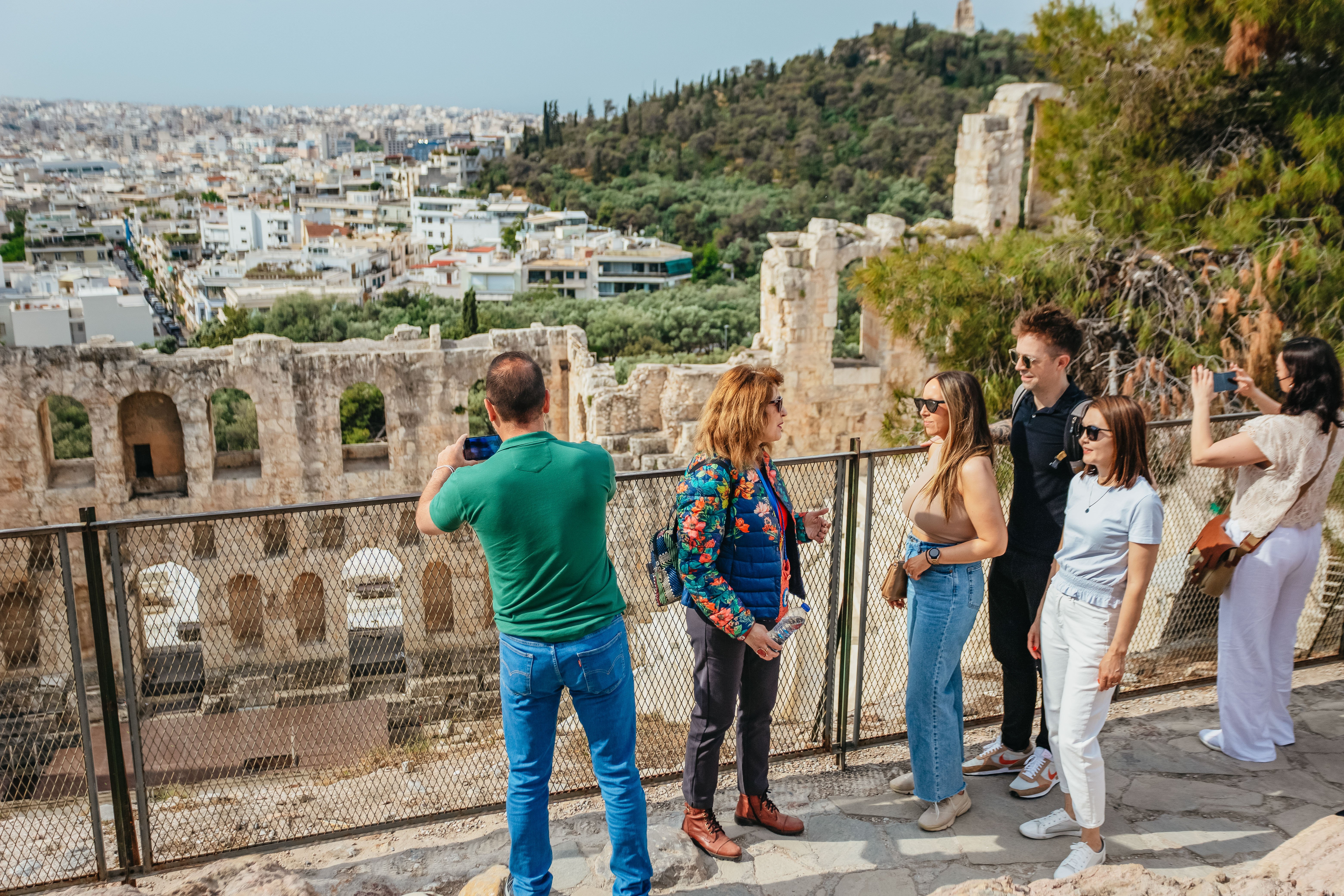
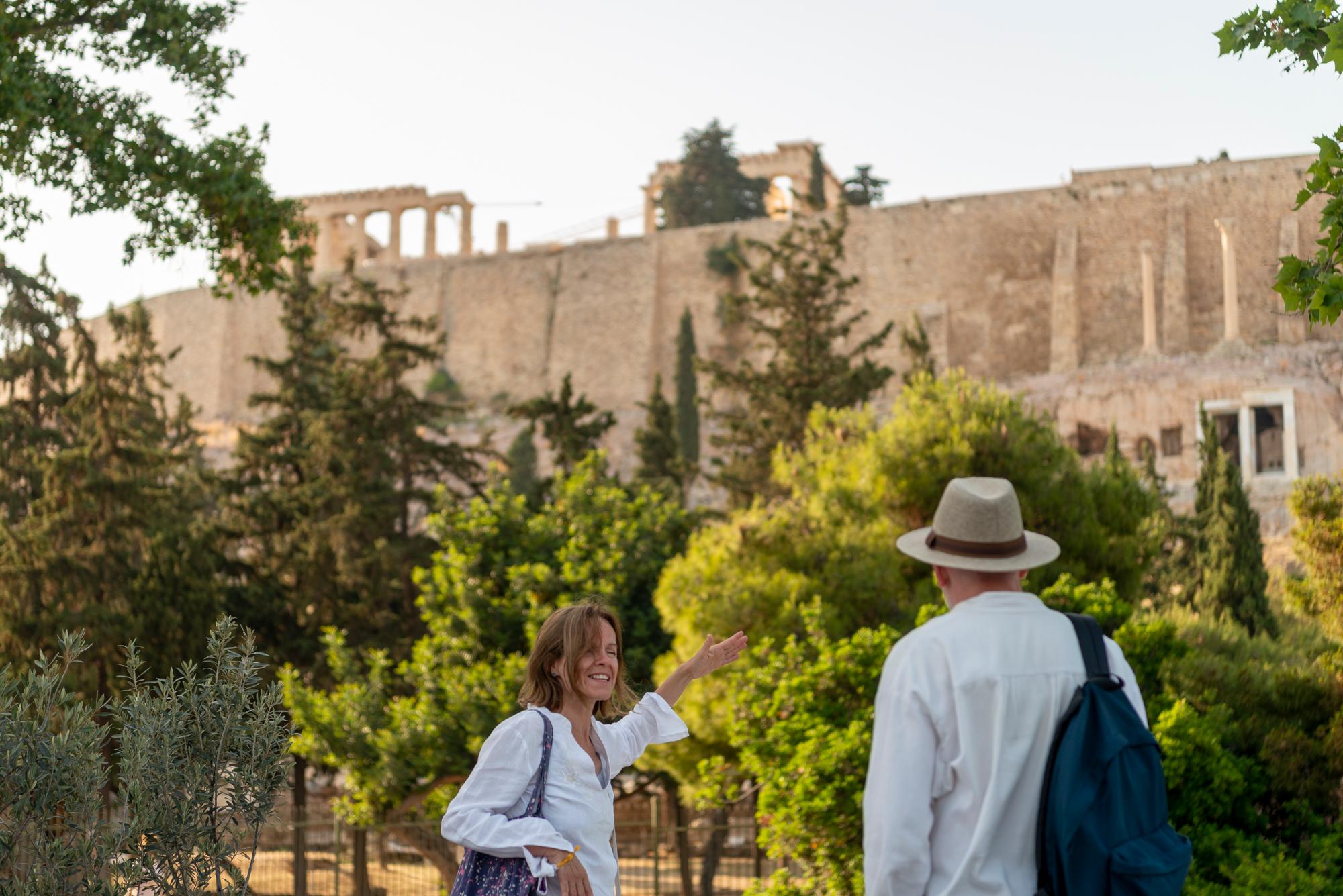
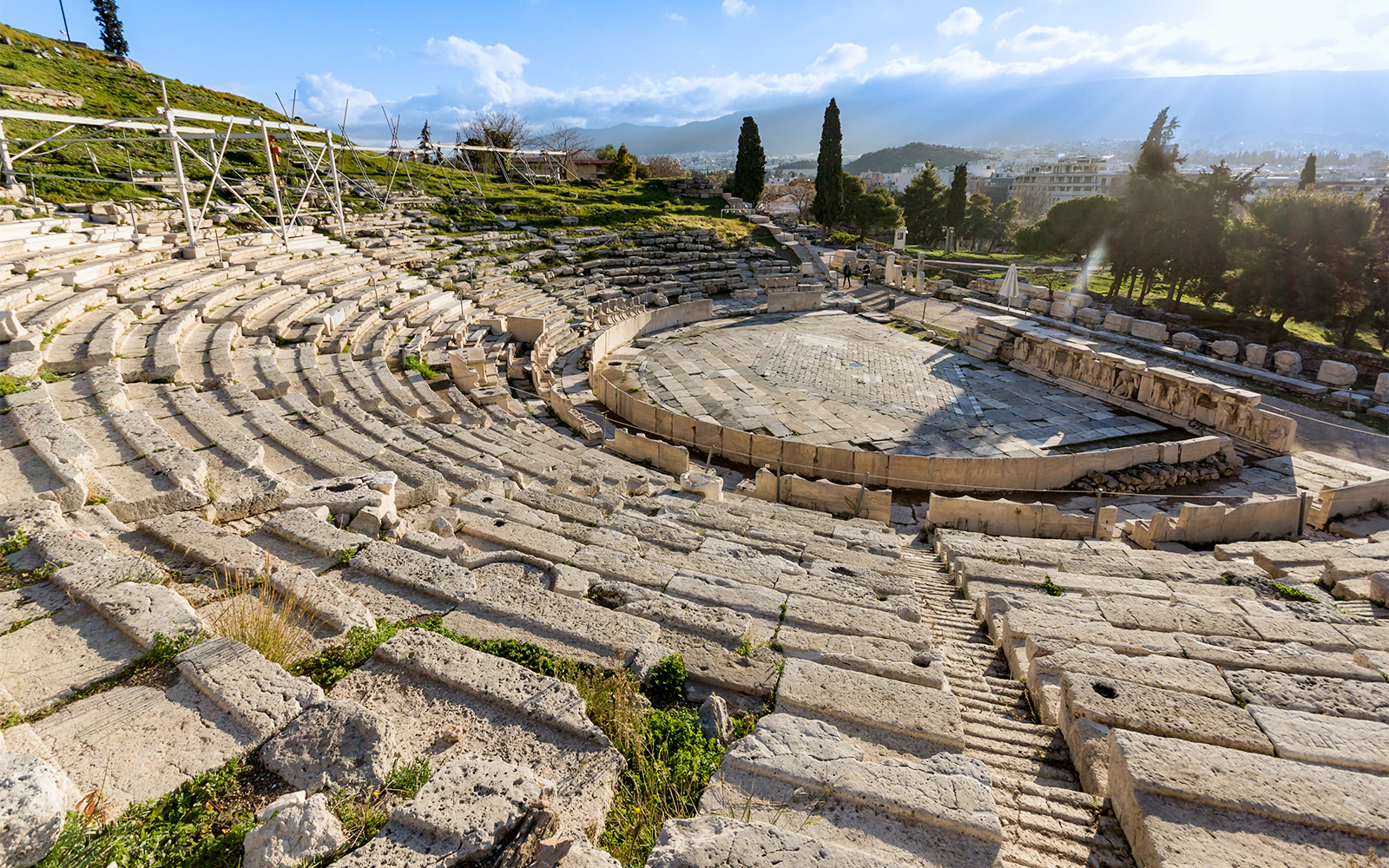
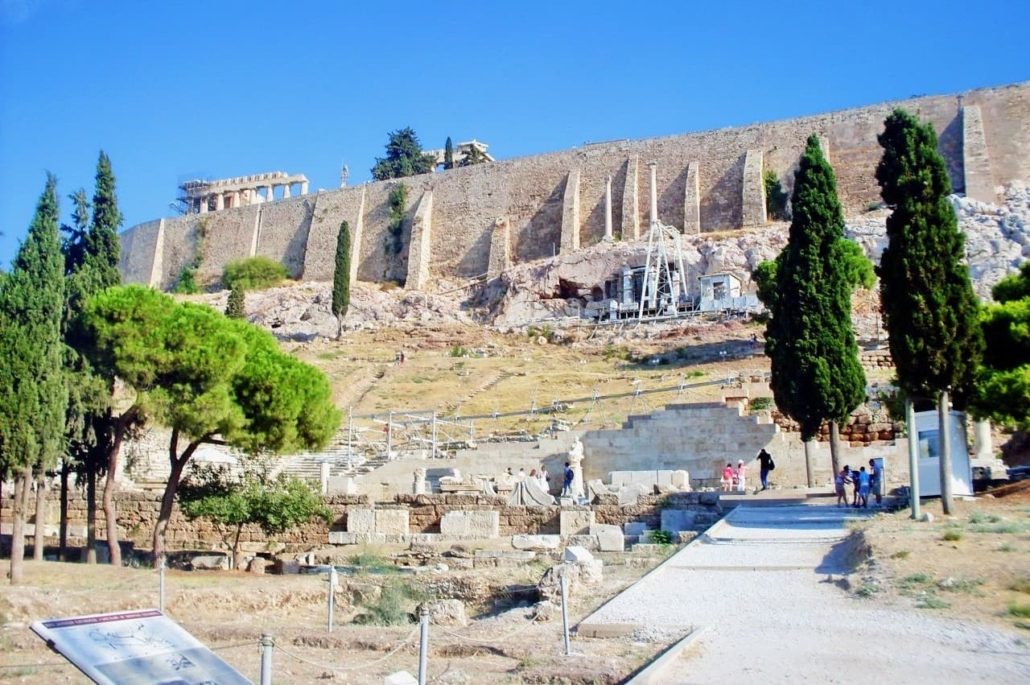
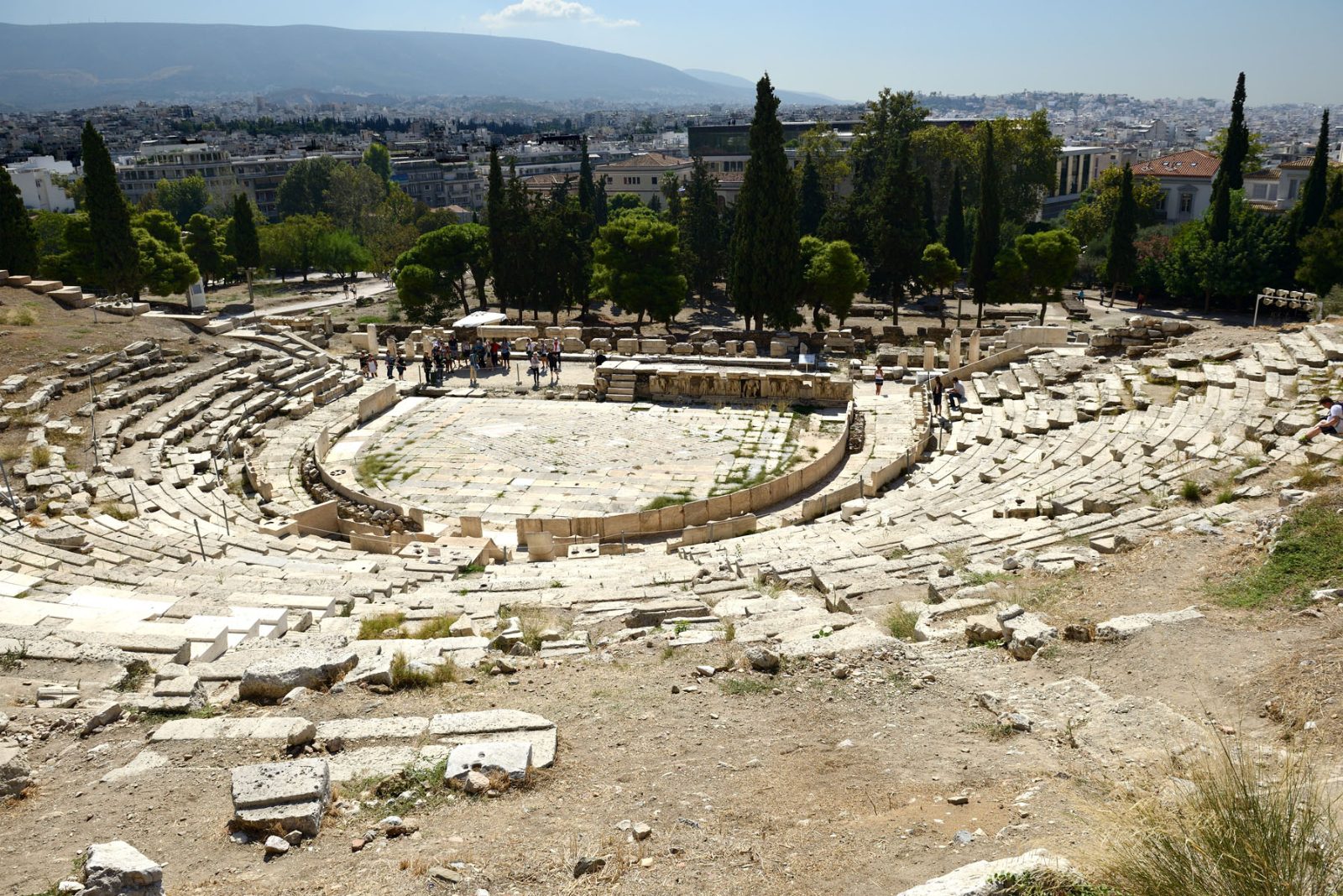
Looking up from the path near the Theatre of Dionysus allows for a low-angle shot of the fortress walls and the Parthenon towering above. Visitors interested in private tour acropolis and parthenon tickets often scout this area for context-rich wide shots.
A private tour acropolis and parthenon visit is a rewarding way to bring ancient history to life, provided you prepare for the site's unique terrain. Early morning remains the best time to explore these world-famous Athens landmarks while avoiding the peak heat and large crowds.
Strollers are strictly prohibited inside the archaeological site; please use a baby carrier instead. A specialized elevator is available for visitors with limited mobility or parents managing multiple infants.
You can leave strollers at the storage room near the main entrance while you enjoy your private tour acropolis and parthenon tour. On-site restrooms are available, though it is recommended to use the baby-changing facilities located at the nearby Acropolis Museum.
We suggest an arrival between 08:00–10:00 to keep the outing manageable for younger children. Most families find a 1.5 to 2-hour duration perfect for viewing the Parthenon without overwhelming little ones.
Ensure everyone wears sturdy, closed-toe shoes to handle the slippery marble paths. Book your private tour acropolis and parthenon tickets in advance to ensure a smooth, skip-the-line experience that minimizes wait times for the whole family.
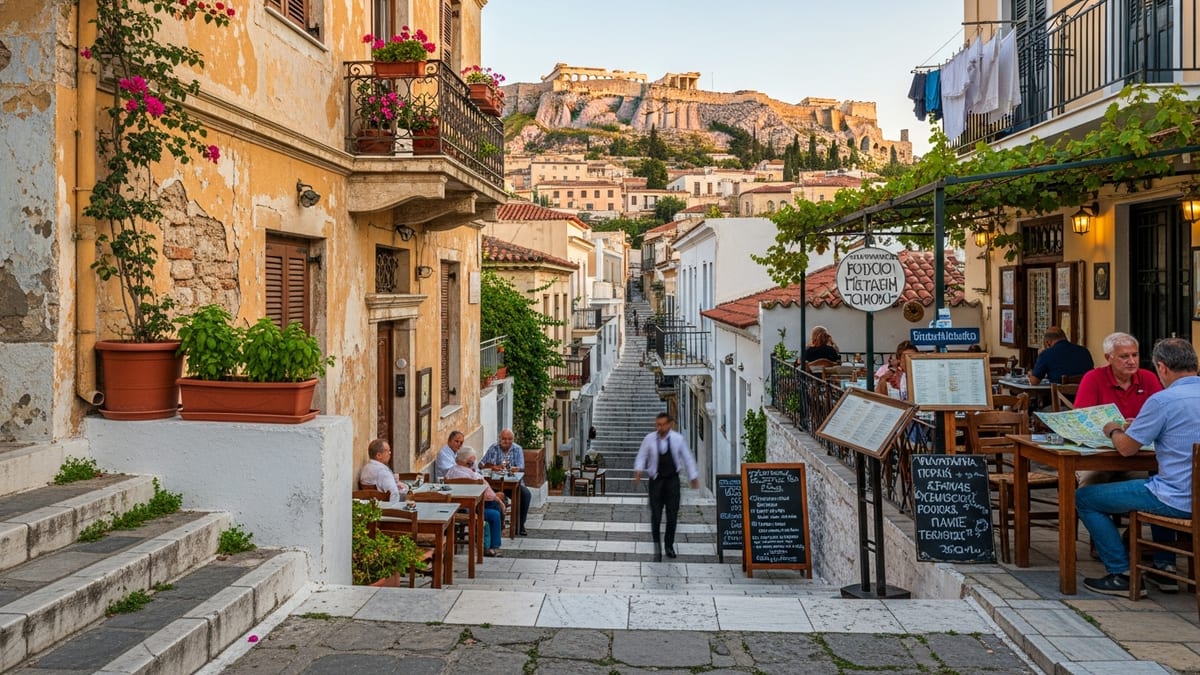
You will find no food or drink services within the archaeological site, so it is best to plan your meals in the surrounding neighborhoods after your private tour acropolis and parthenon. The nearby areas of Plaka and Koukaki offer a wealth of traditional tavernas and modern bistros perfect for unwinding after your private tour acropolis and parthenon tour.
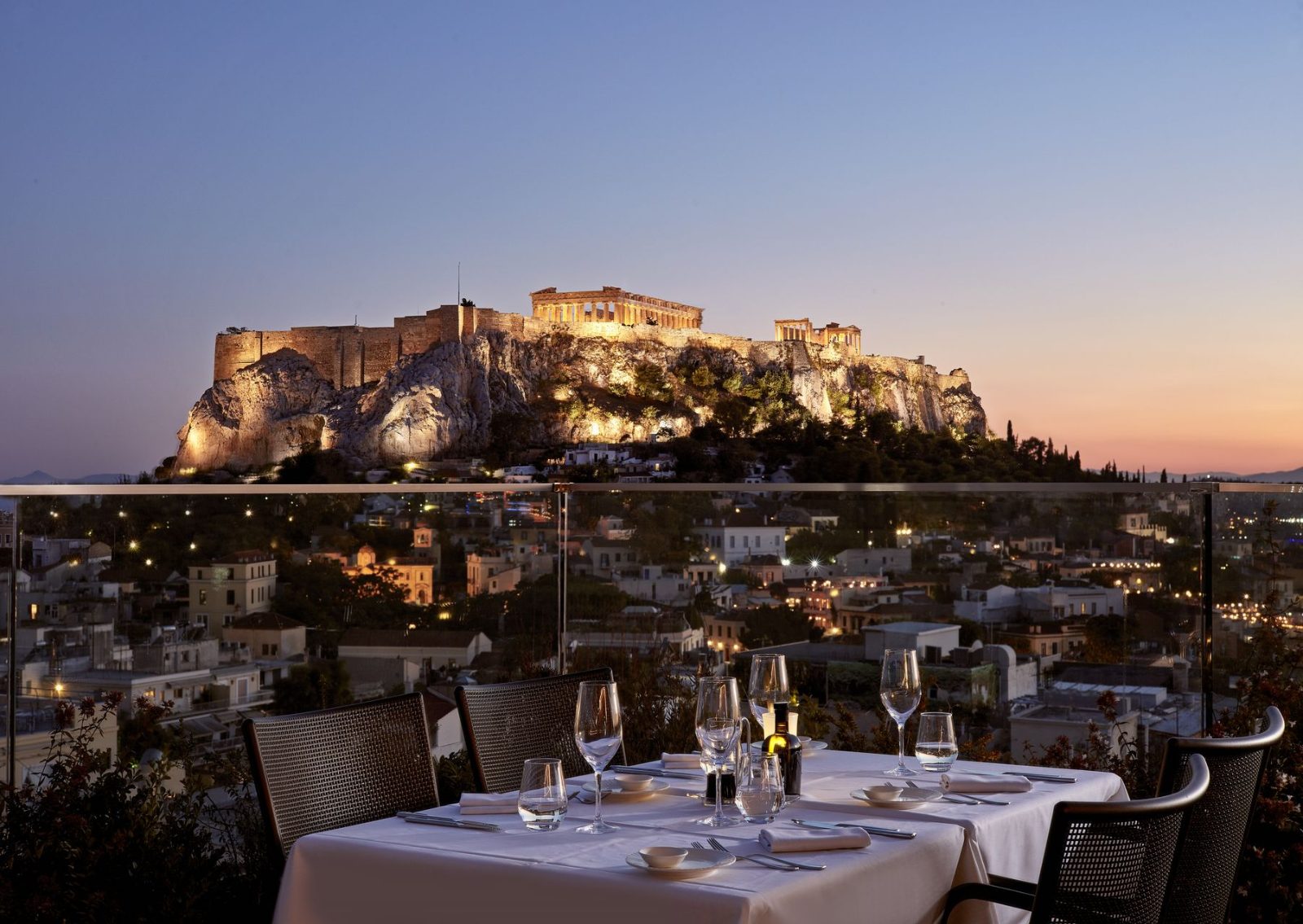
Located on the second floor with panoramic views of the Parthenon, this venue serves traditional Greek dishes using seasonal ingredients after your private tour acropolis and parthenon tickets are used for entry.
Everything you need to know for your journey
The site is open daily from 08:00–20:00. These hours apply regardless of the day of the week.
It is highly recommended to book your private tour acropolis and parthenon tickets online in advance to avoid long queues at the ticket office.
Yes, an elevator is available for those with mobility challenges to reach the summit, though assistance is recommended for a smooth experience.
Yes, only small bags are permitted inside the Acropolis. Larger items should be stored elsewhere before your tour.
We recommend an arrival window of 08:00–10:00 to avoid the afternoon heat and the largest cruise ship crowds.
There is no official dress code, but respectful and modest clothing is recommended for this sacred site.
No, only water is allowed within the archaeological area to ensure the site remains preserved.
The most convenient way to reach the Acropolis is via Metro Line 2 to the Acropolis station.
Children are welcome to join a private tour acropolis and parthenon, provided they are supervised by an adult at all times.
Cancellations made at least 24 hours in advance are eligible for a full refund of your booking fees.
The oldest theatre in the world built into the slopes of the hill.
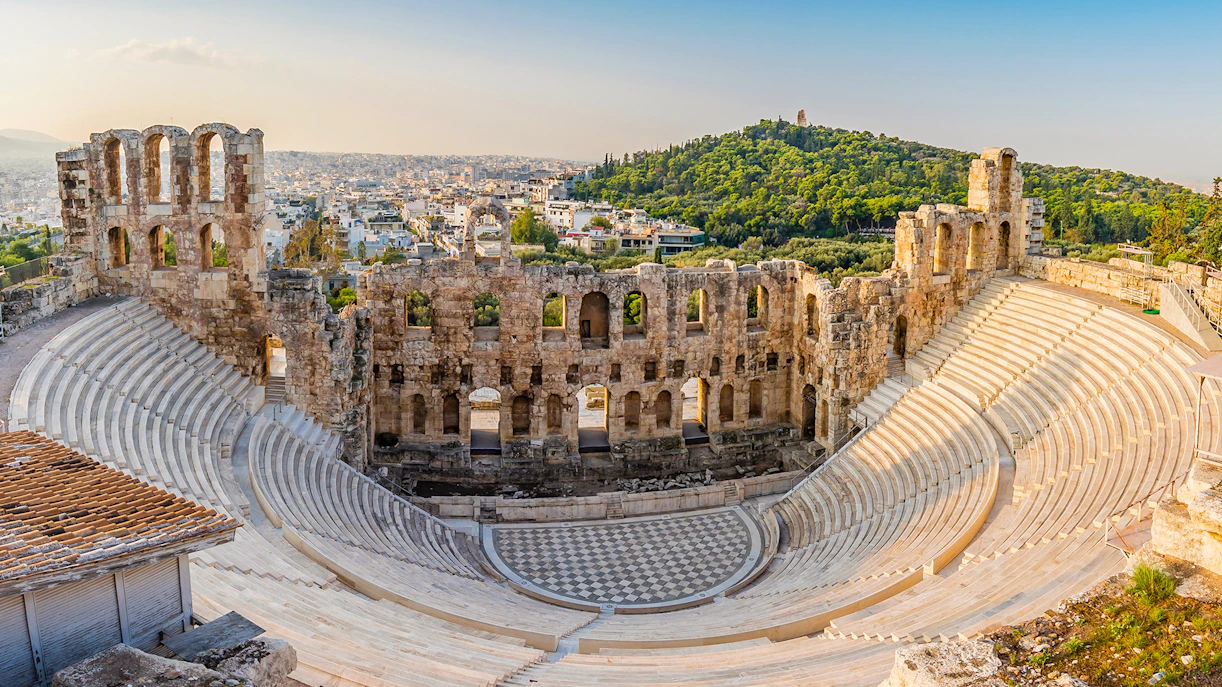
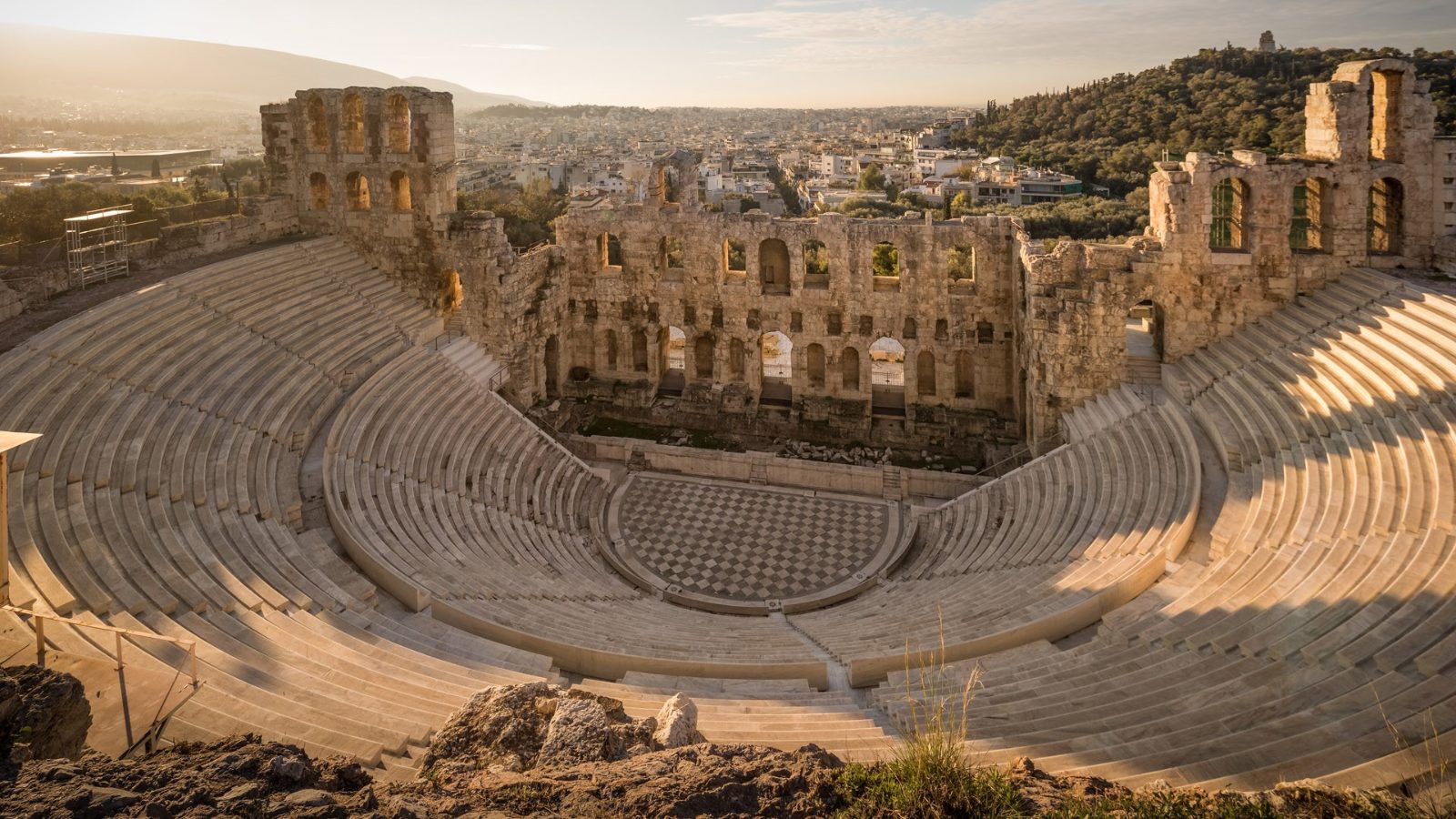
A stone theatre structure still used for performances today.
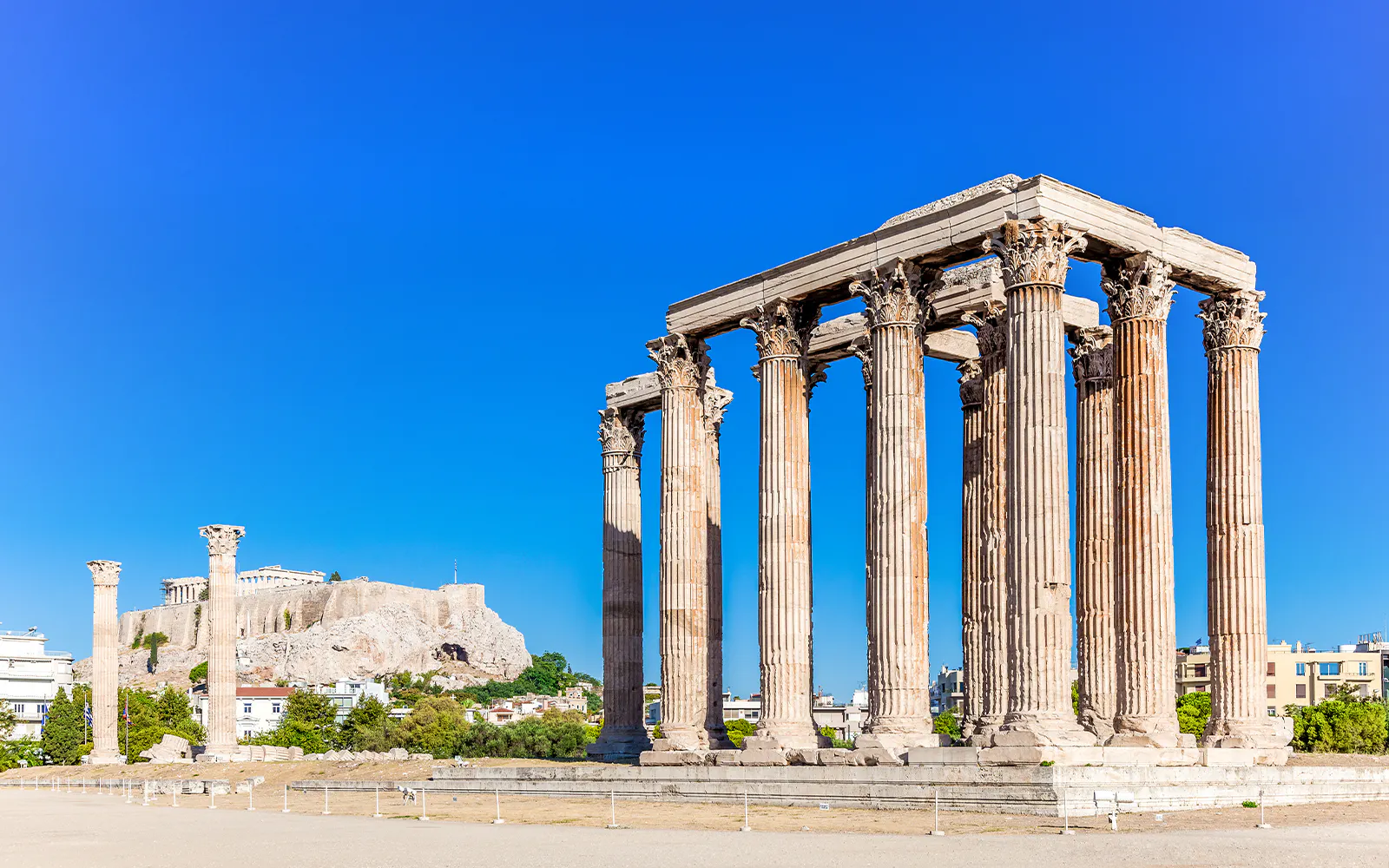
A colossal ruined temple dedicated to the king of the gods.
Houses thousands of artifacts found on the slopes of the site.
Historic hotel overlooking the central square.
Modern rooms with views of the ancient hilltop.
Charming neighborhood located at the base of the hill.
Join thousands of happy travelers who have discovered this incredible experience
Book Your Experience Now