4 hr
Acropolis, Parthenon & Acropolis Museum Guided Tour
- Expert local guide
- Small group
- Skip-the-line access
- Free cancellation
Acropolis Private Guide — Expert-Led Tours & Priority Access
Walk with historians through marble ruins, decode frieze carvings at dawn
Compare fares, pick the fit — all bookings are mobile-voucher and eligible for free cancellation where shown.
4 hr
2 hr
4 hr
Selecting the right acropolis private guide tours can significantly enhance your experience of this historic citadel. Whether you prioritize deep historical context or a flexible schedule, choosing the appropriate access method for your visit is essential.
| Standard Entry Timed Site Access |
Top pick Guided Private Tour Full Site & Expert Context |
|
|---|---|---|
| Entrance Fee | 30 EUR | 30 EUR + Guide Fee |
| Access Level | Full site access | Full site access with priority |
| Wait Time | Depends on slot arrival | Minimal or priority entry |
| Included | Digital guide app | Professional private guide |
| Best for | First-timers on a budget | First-timers seeking insight |
| See tickets & prices |
Verdict: For the most comprehensive understanding of the landmark, we recommend the acropolis private guide tour for all first-time visitors.
Worth it for history enthusiasts and first-timers
An acropolis private guide transforms a walk through ruins into a contextual archaeology lesson. Standard entry costs 30 EUR; guided options start around 50–70 EUR for small-group tours that include museum access and expert narrative. The value proposition hinges on how much you care about stratigraphic context, architectural evolution, and mythological backstory versus self-guided exploration with an audio app. Guides decode the Parthenon's optical refinements, explain the Erechtheion's asymmetry, and connect fragments in the museum to their original placements on the rock. For travelers who read widely before arrival or prefer solitary observation, the 30 EUR solo ticket suffices. For those who want immediate answers to "why is this column thicker?" or "what happened to the pediment sculptures," acropolis private guide tours deliver curated insight that no placard can match. The premium small-group formats justify their cost by capping group size and including museum entry, which costs an additional 15 EUR separately.
Bottom line: If ancient Athens fascinates you beyond Instagram, acropolis private guide tickets turn stones into stories worth the premium.
They complement each other, though most visitors who do both find that an acropolis private guide tour provides the necessary historical context for the site itself.
|
Top pick Acropolis Private Guide |
Acropolis Museum | |
|---|---|---|
| Focus | Ancient citadel ruins | Classical sculpture artifacts |
| Average duration | 1.5–3 hours | 1.5–2.5 hours |
| Access intensity | 200 steps (steep) | Elevator access (flat) |
| Entry price | 30 EUR (adult) | ~15 EUR (summer) |
| Primary climate | Open-air, exposed | Indoor, air-conditioned |
| Best for | Historical immersion | Artifact study |
| See tickets & prices |
Verdict: Securing an acropolis private guide ensures you navigate the challenging 200-step ascent with expert narrative, while adding acropolis private guide tickets for the museum completes the experience.
Hand-picked experiences loved by thousands of travelers
1 hour 30 minutes
Free Cancellation
Explore ancient Athens with skip-the-line access to the Acropolis, Parthenon, and museum on this expert-led tour
2 - 3.5 hours
Free Cancellation
Explore Athens' iconic ancient citadel with a licensed guide in an intimate group of 12 or fewer
1 hour 30 minutes
Free Cancellation
Explore Athens' ancient citadel and world-class museum with a licensed guide who brings mythology and history to life
2 hours
Free Cancellation
Intimate 8-person max exploration of Athens' iconic ancient citadel with expert local guide
8 hours
Free Cancellation
Discover ancient monuments and vibrant neighborhoods with your own driver on this complete 8-hour journey.
1 hour 30 minutes
Free Cancellation
Explore Athens' crown jewel with an expert guide who brings ancient myths and monuments to life
6 hours 30 minutes
Free Cancellation
Explore ancient wonders and modern Athens in comfort with a personal driver guide over 6.5 hours
2 hours
Free Cancellation
Explore Athens' ancient citadel and world-class museum with a licensed archaeologist on this exclusive private tour
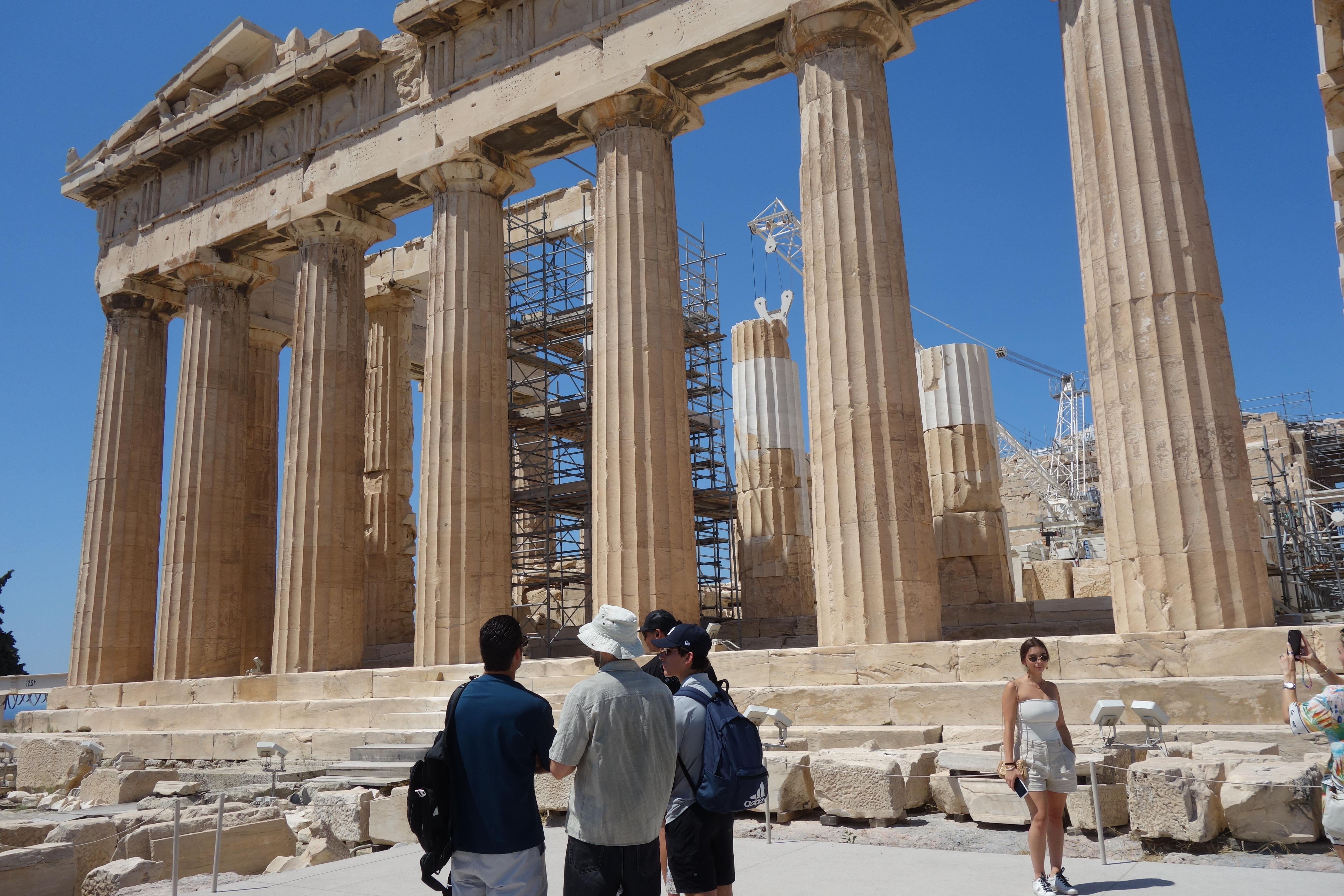
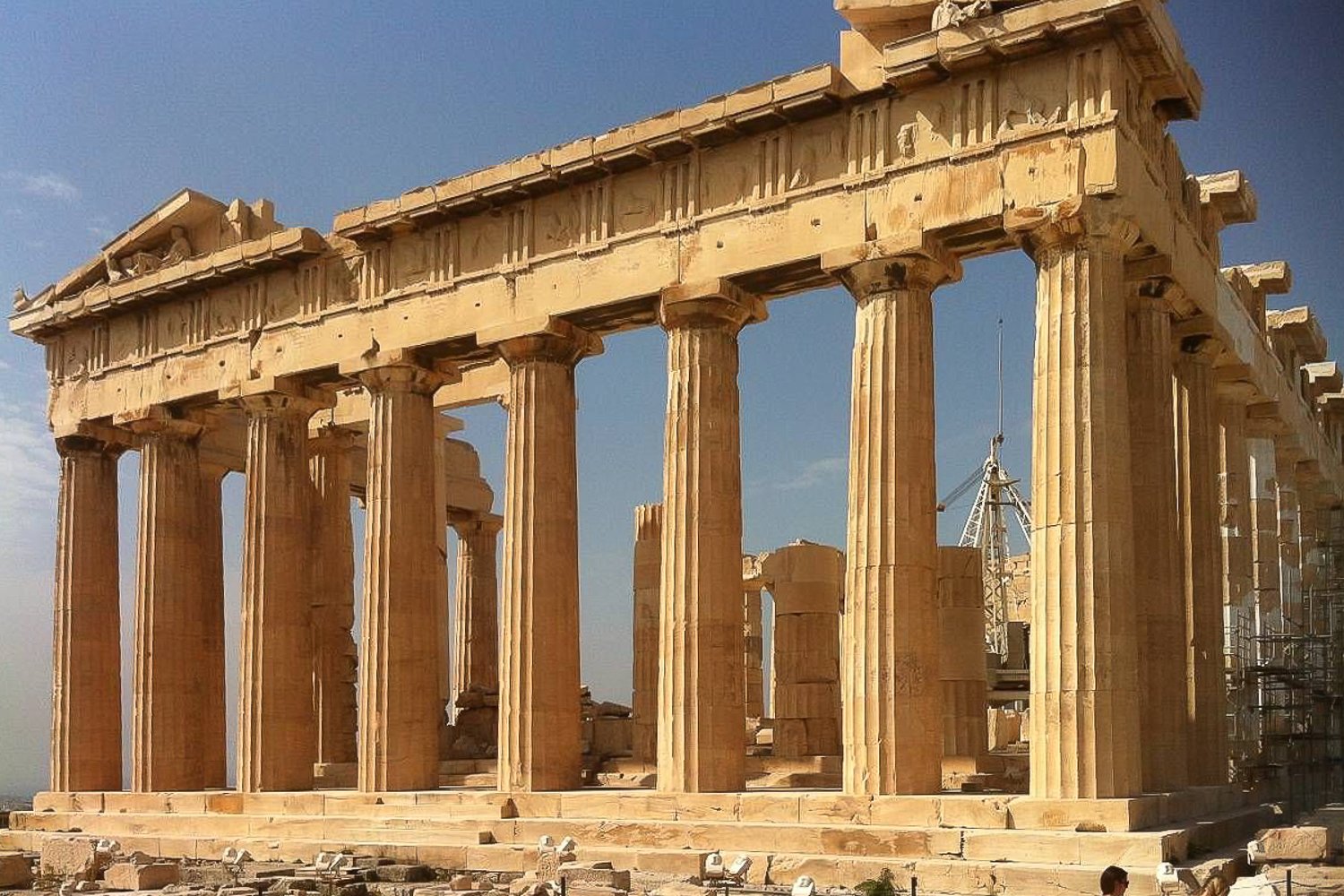
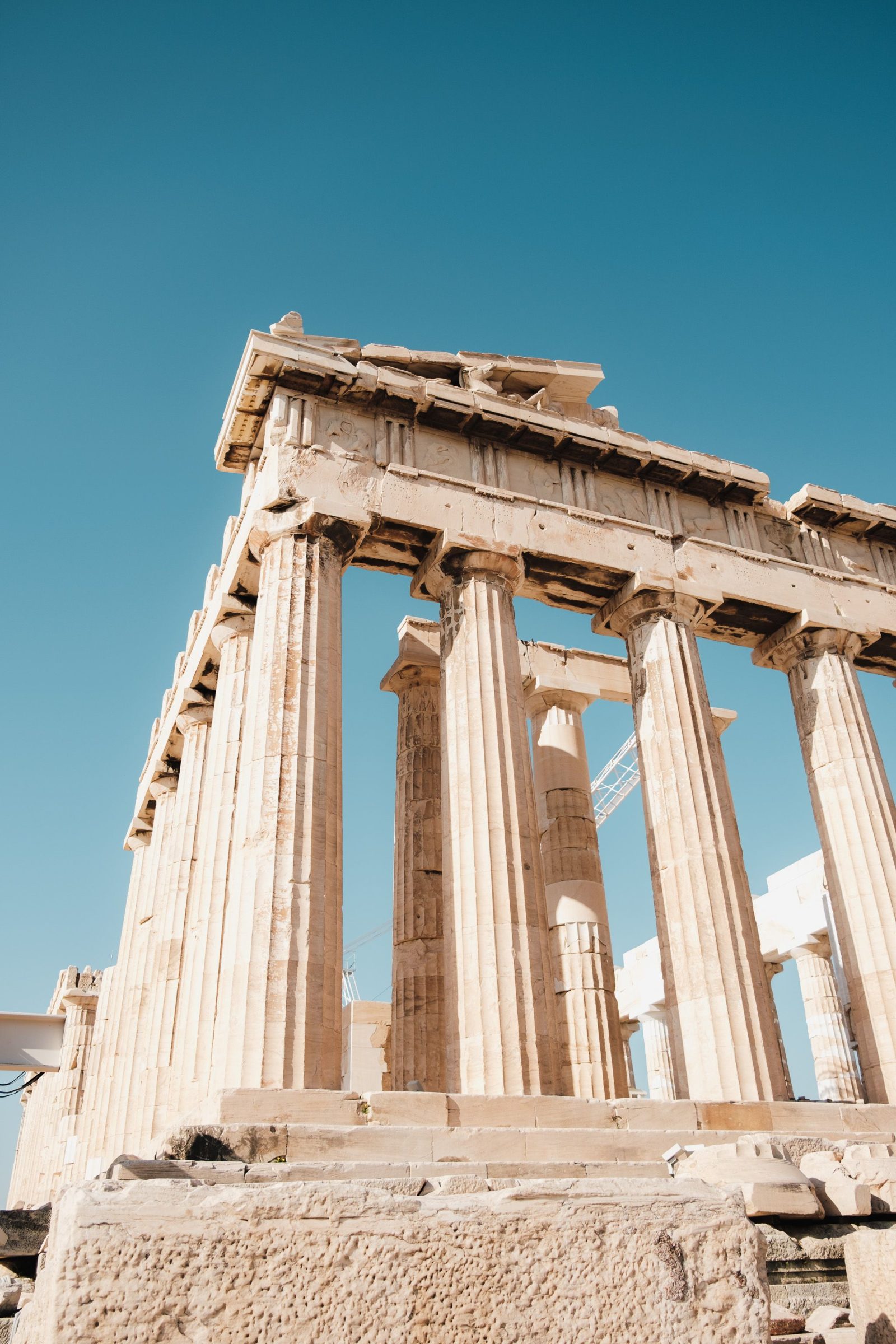
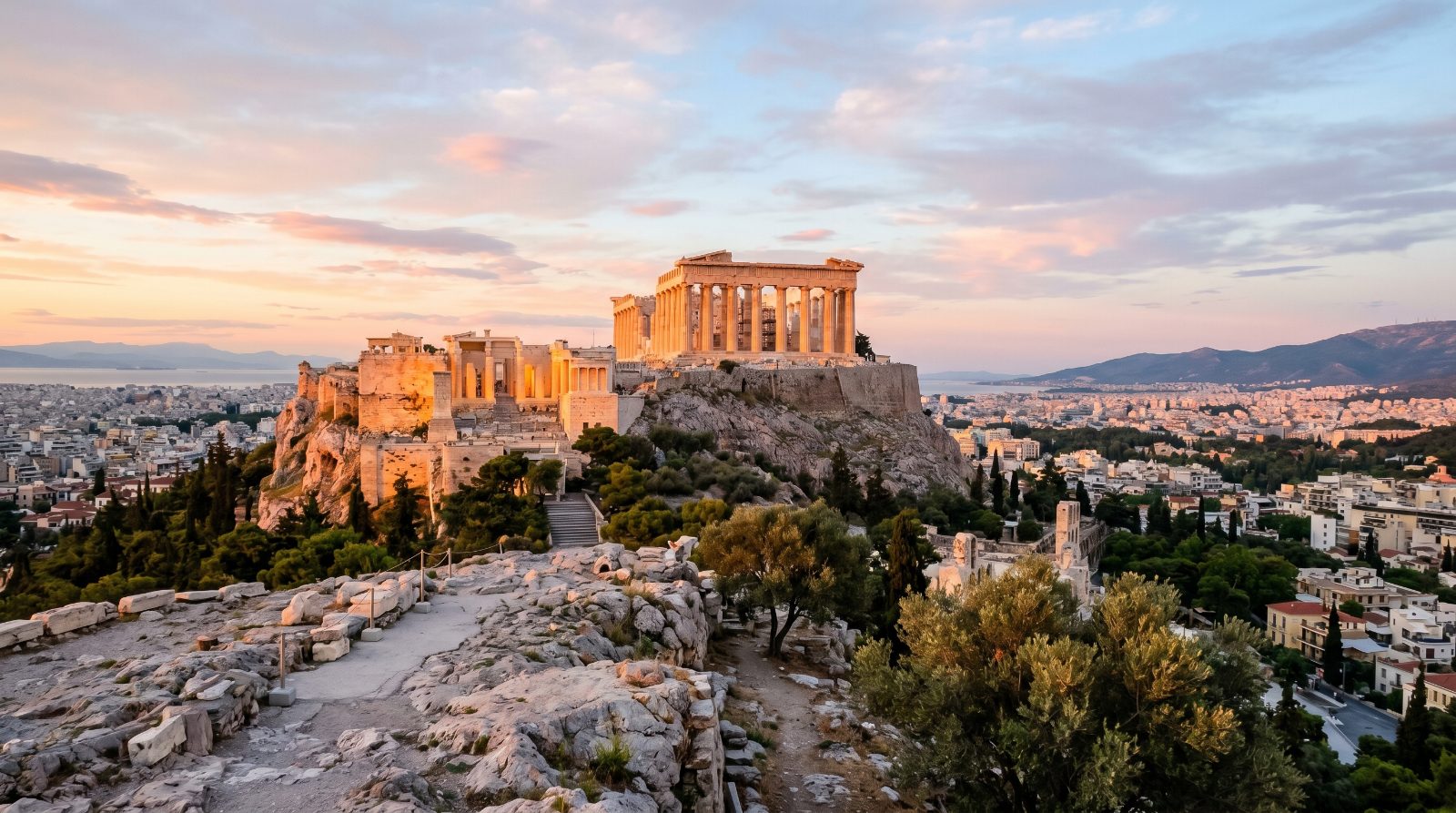
The temple remains the most important surviving building of Classical Greece. It was dedicated to the goddess Athena in the 5th century BC.
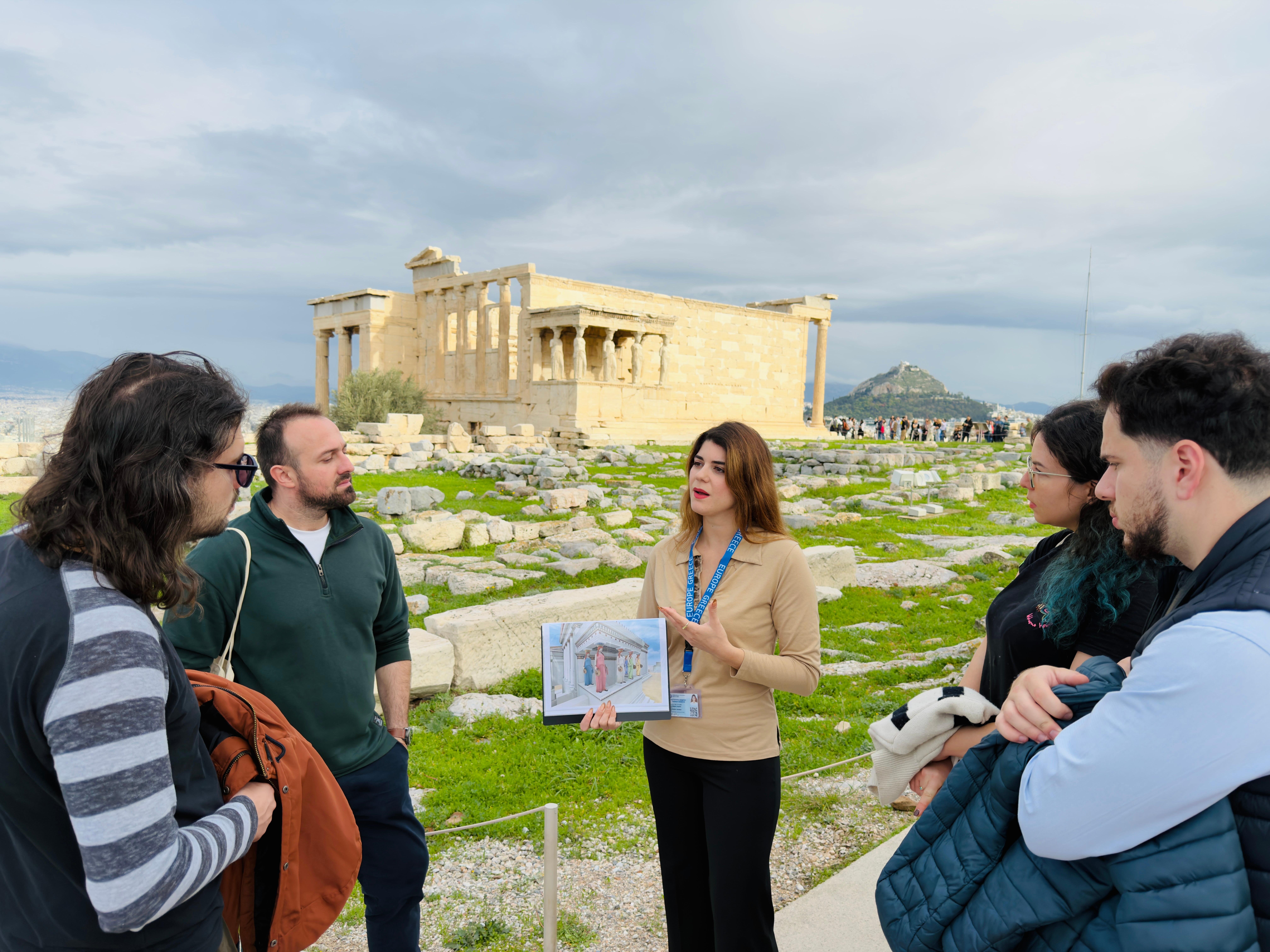
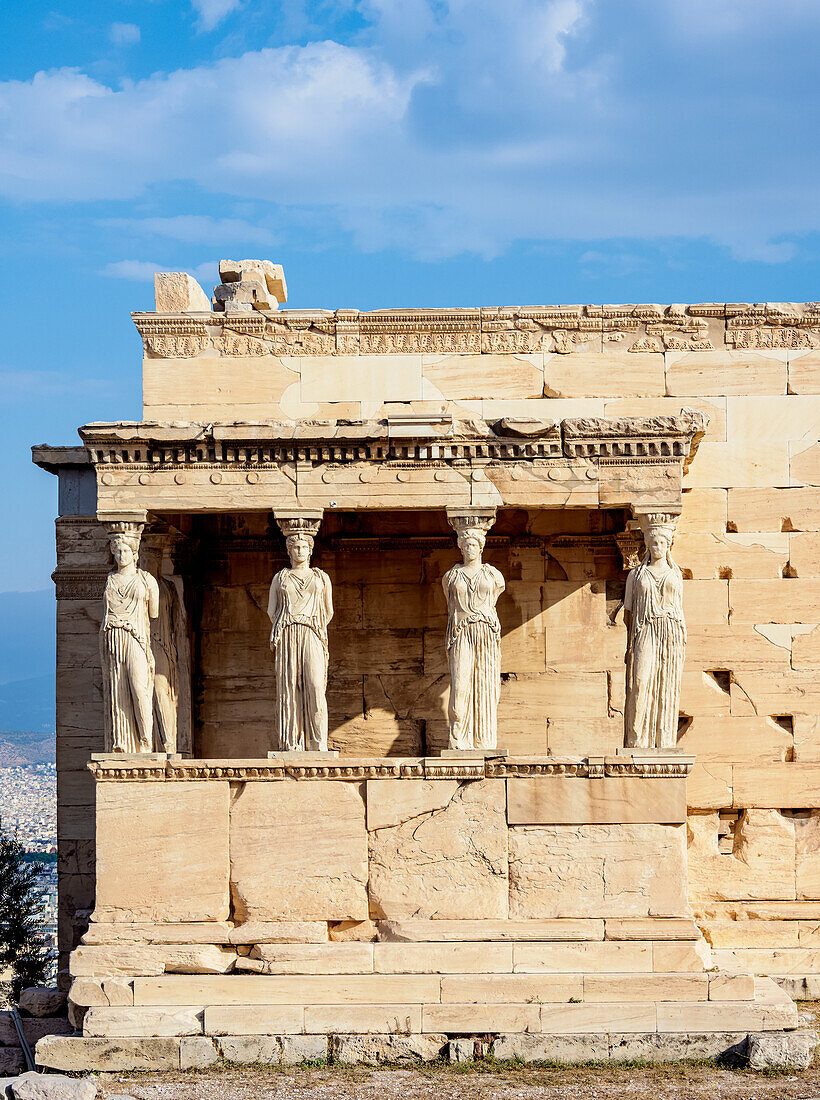
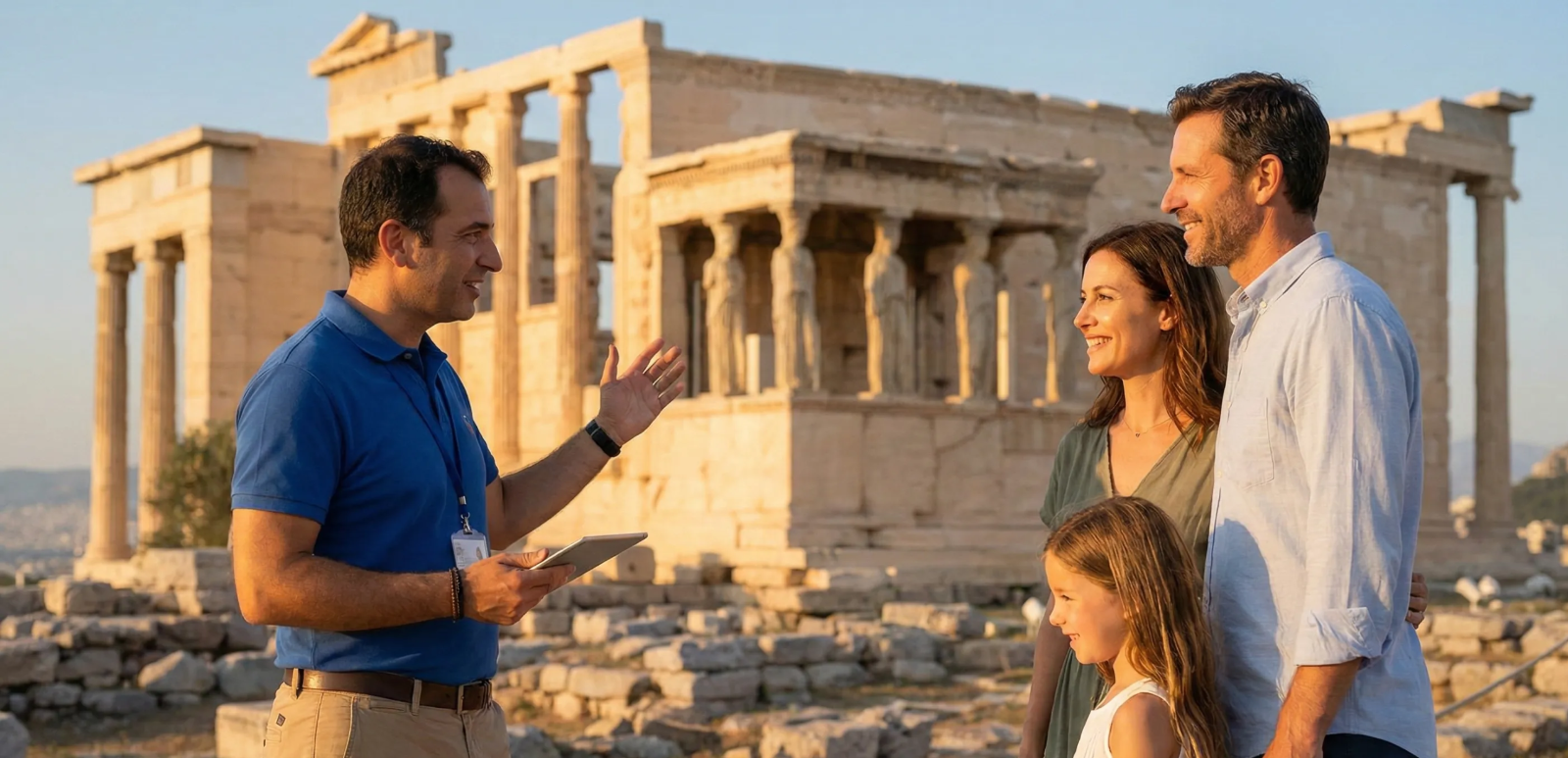
Famous for its Porch of the Caryatids, this temple features six draped female figures as columns. It is located on the north side of the Acropolis.
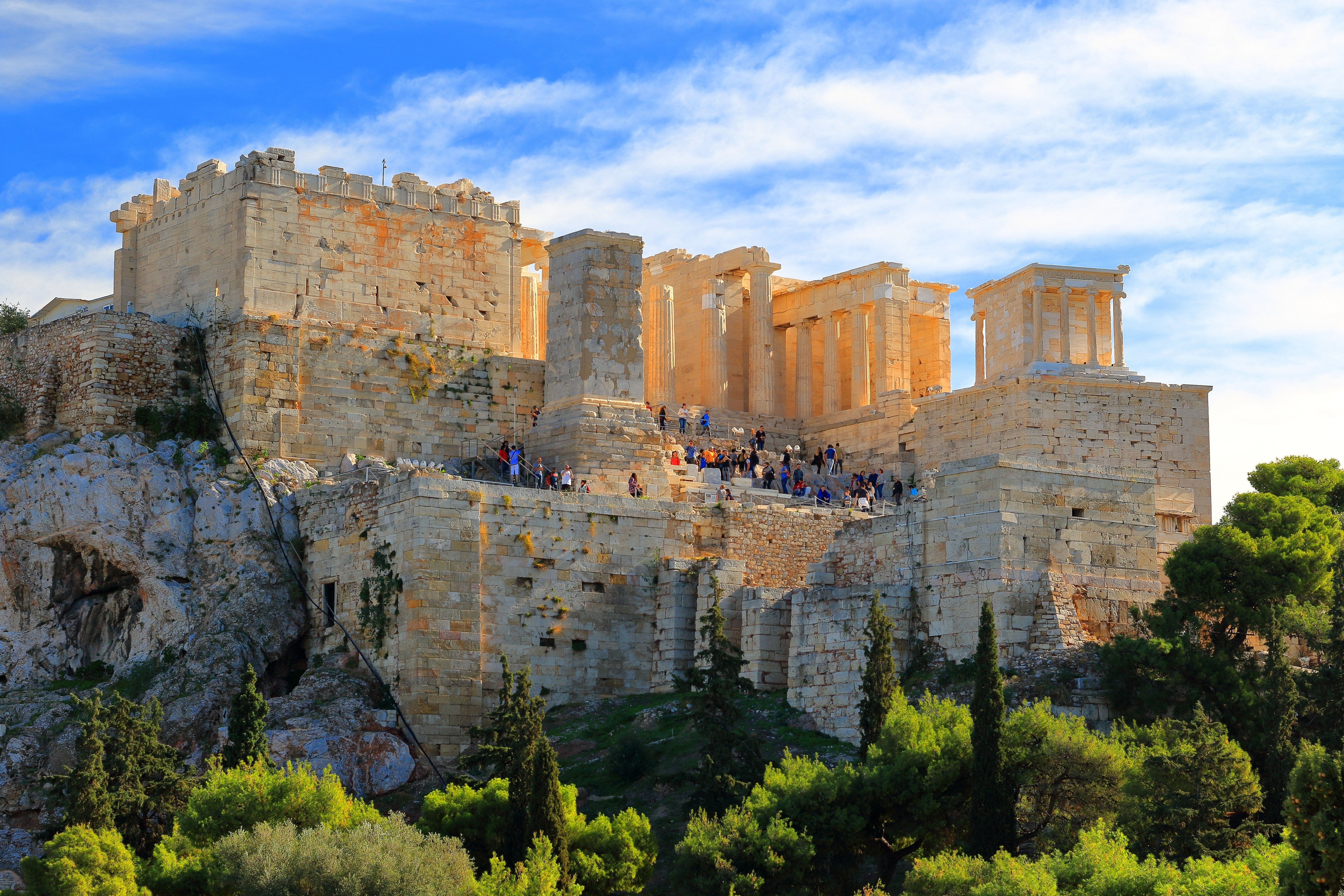
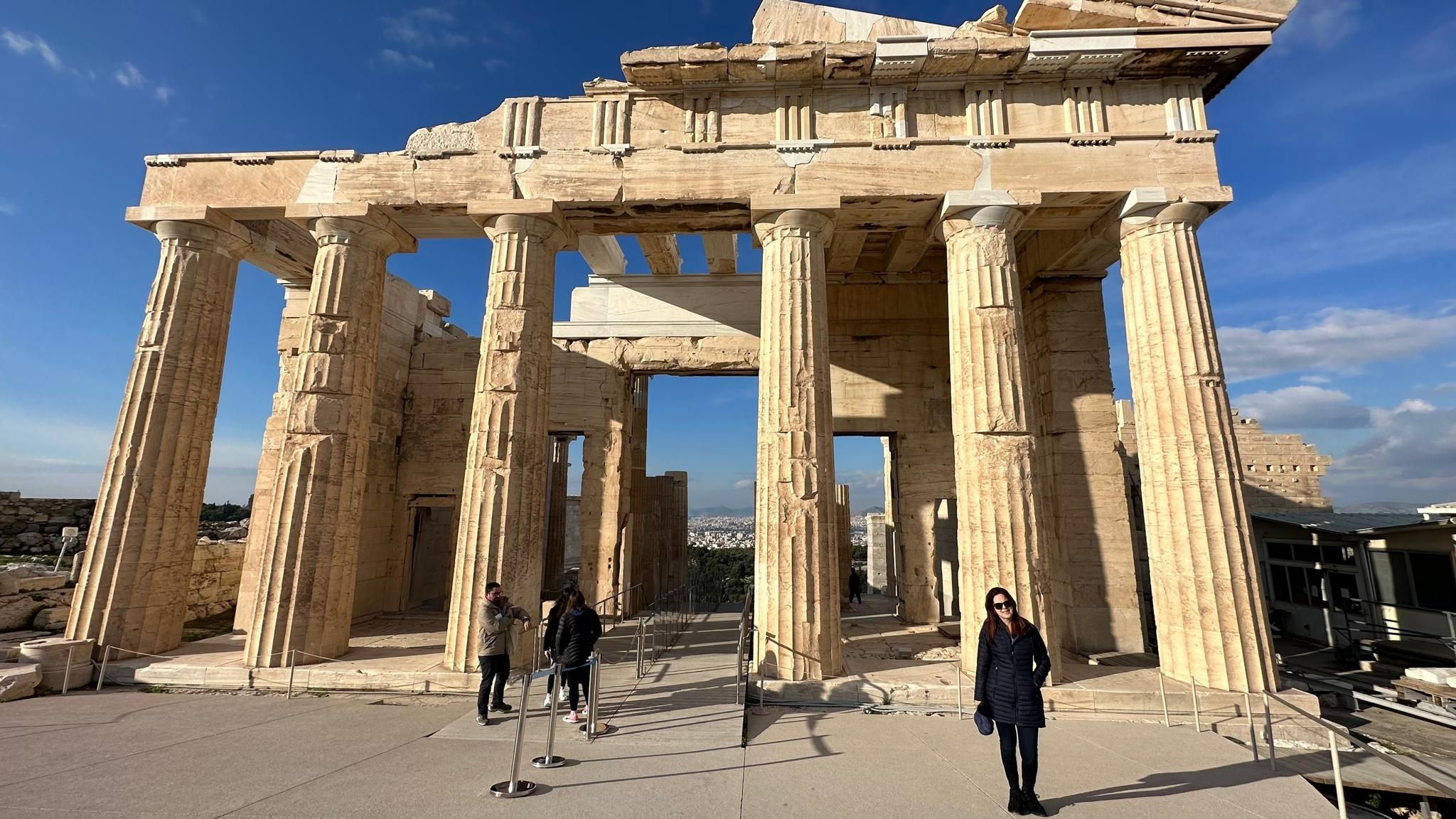
This monumental gateway serves as the entrance to the Acropolis. Its structure combines Doric and Ionic architectural styles.
A small but significant temple built around 420 BC. It celebrates victory and overlooks the main entrance.
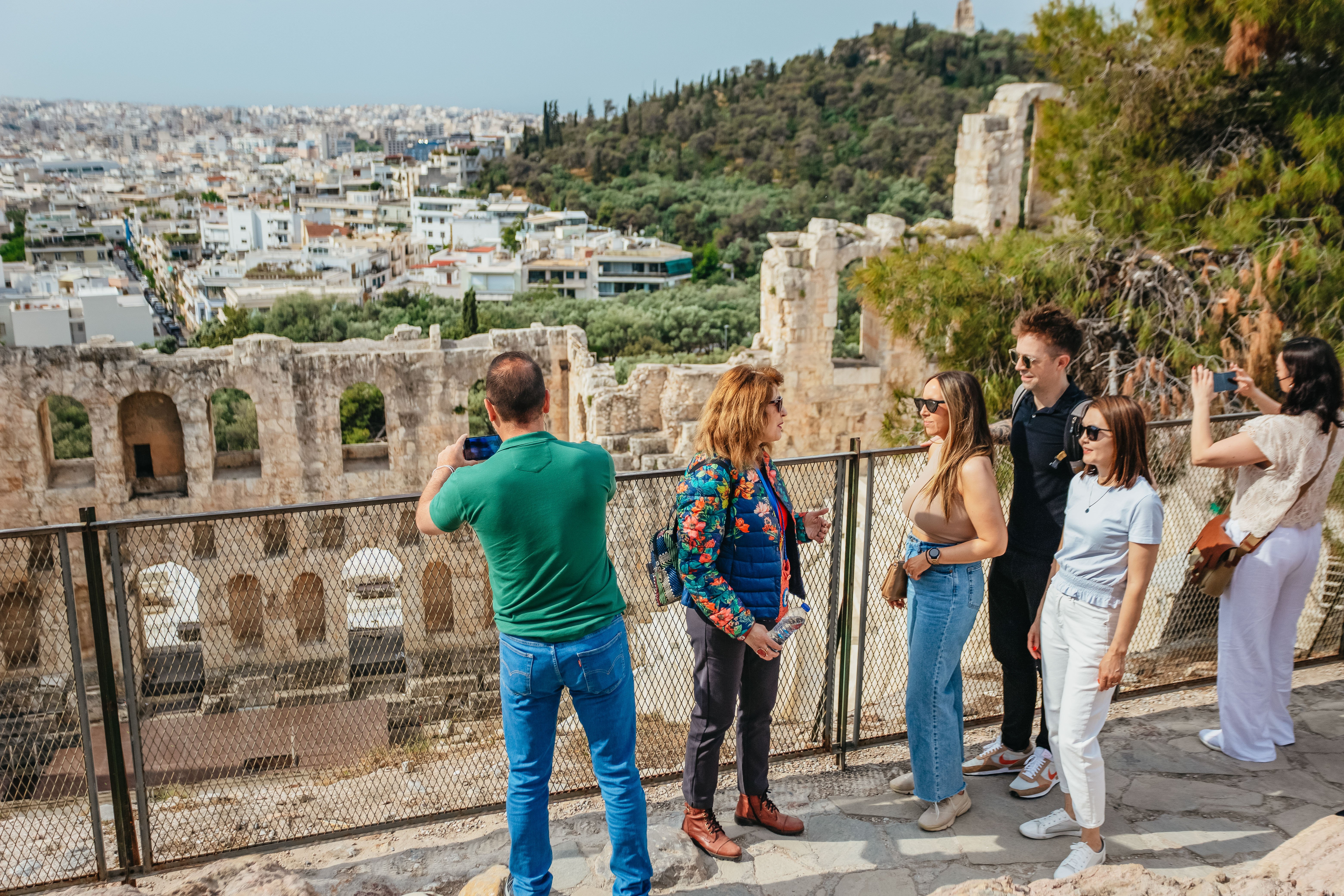
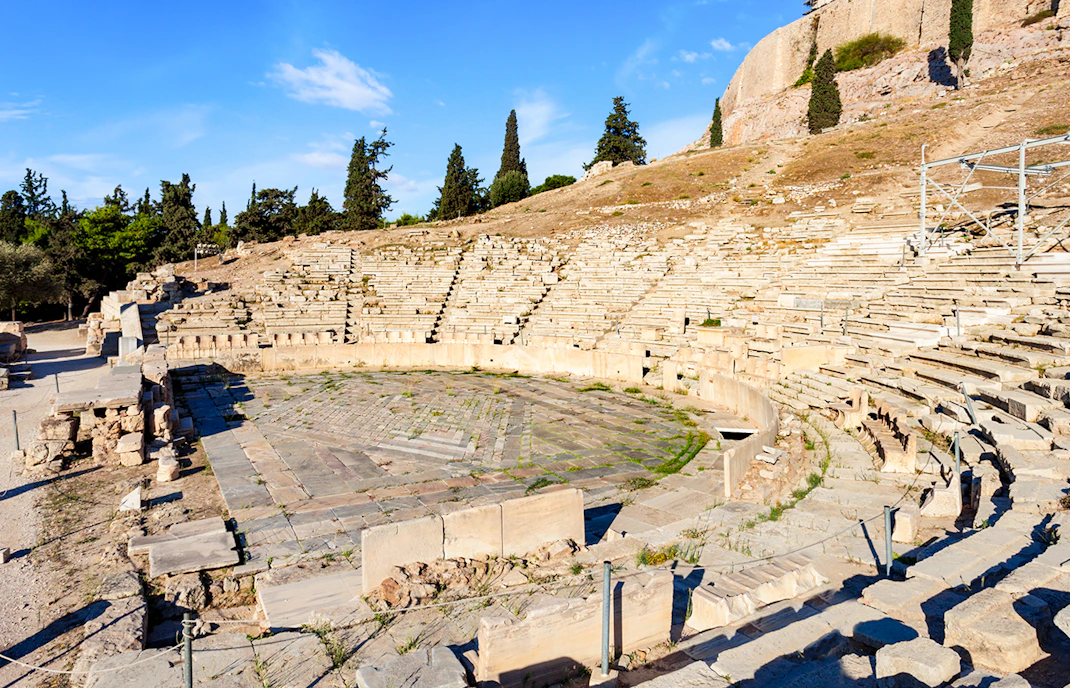
Known as the birthplace of Greek drama, this theater seated thousands of spectators. It hosted works by Sophocles and Euripides.
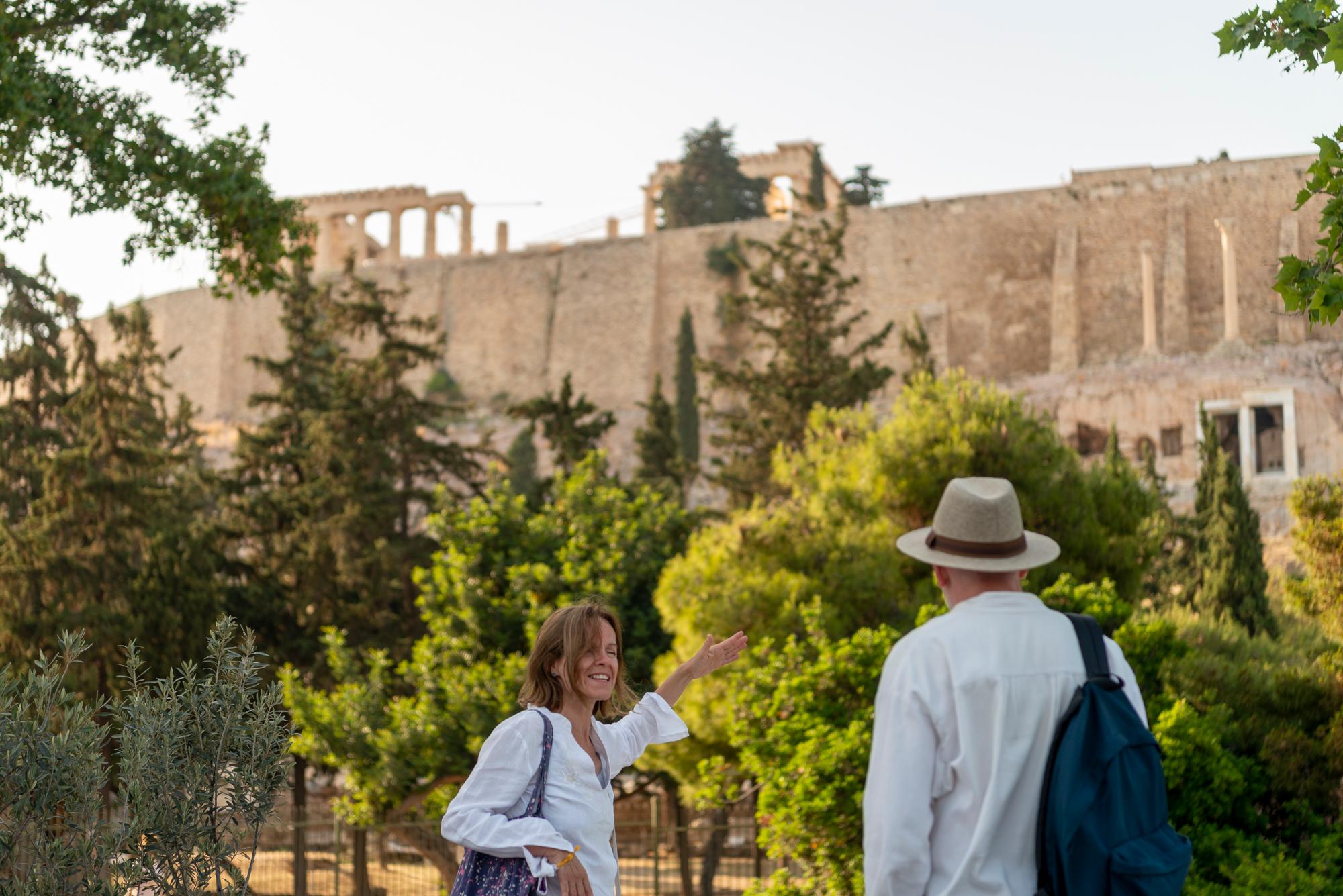
You arrive at the western slope before 08:00, joining a guide who carries a laminated site map and points out the Beulé Gate's Roman masonry below the clifftop.
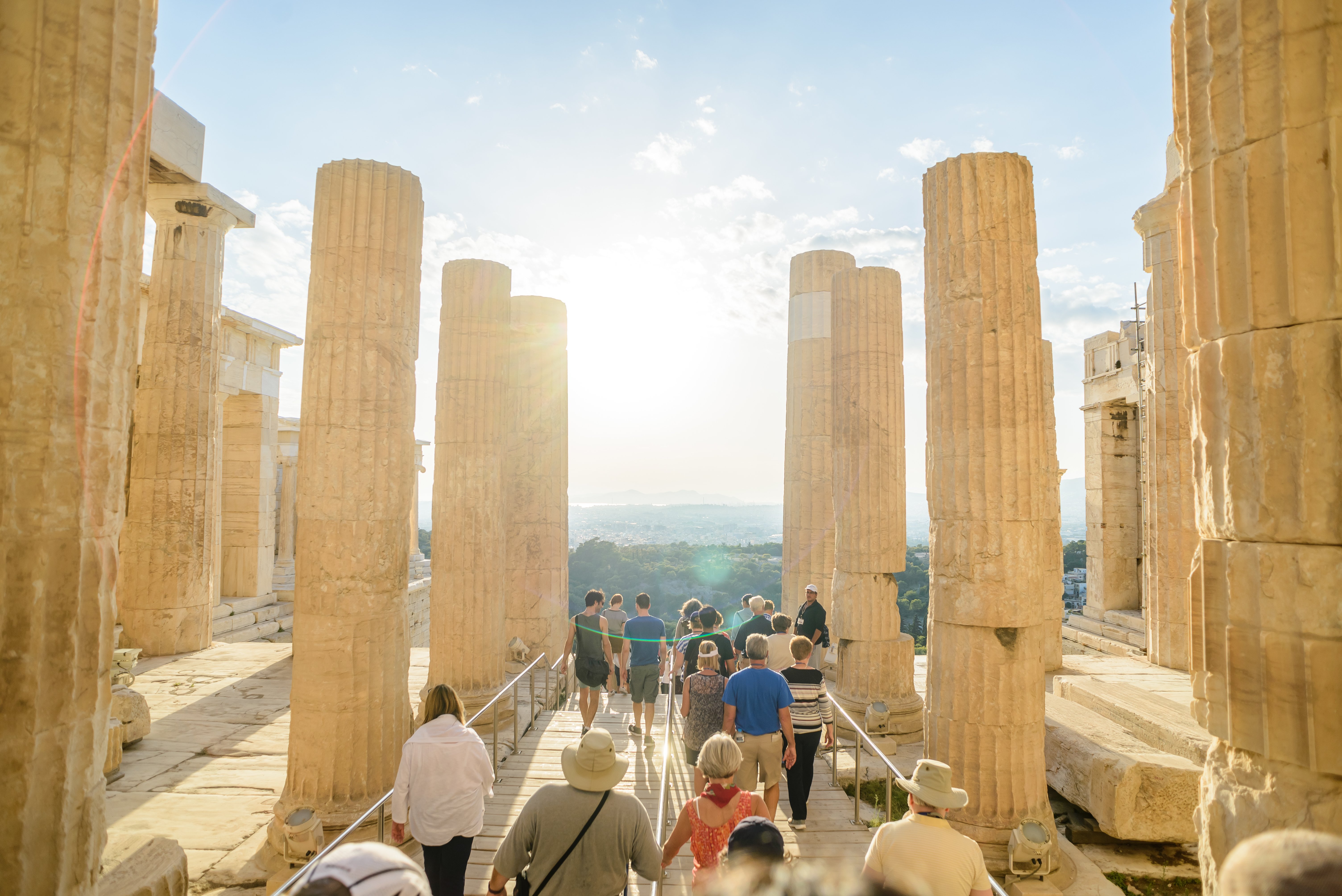
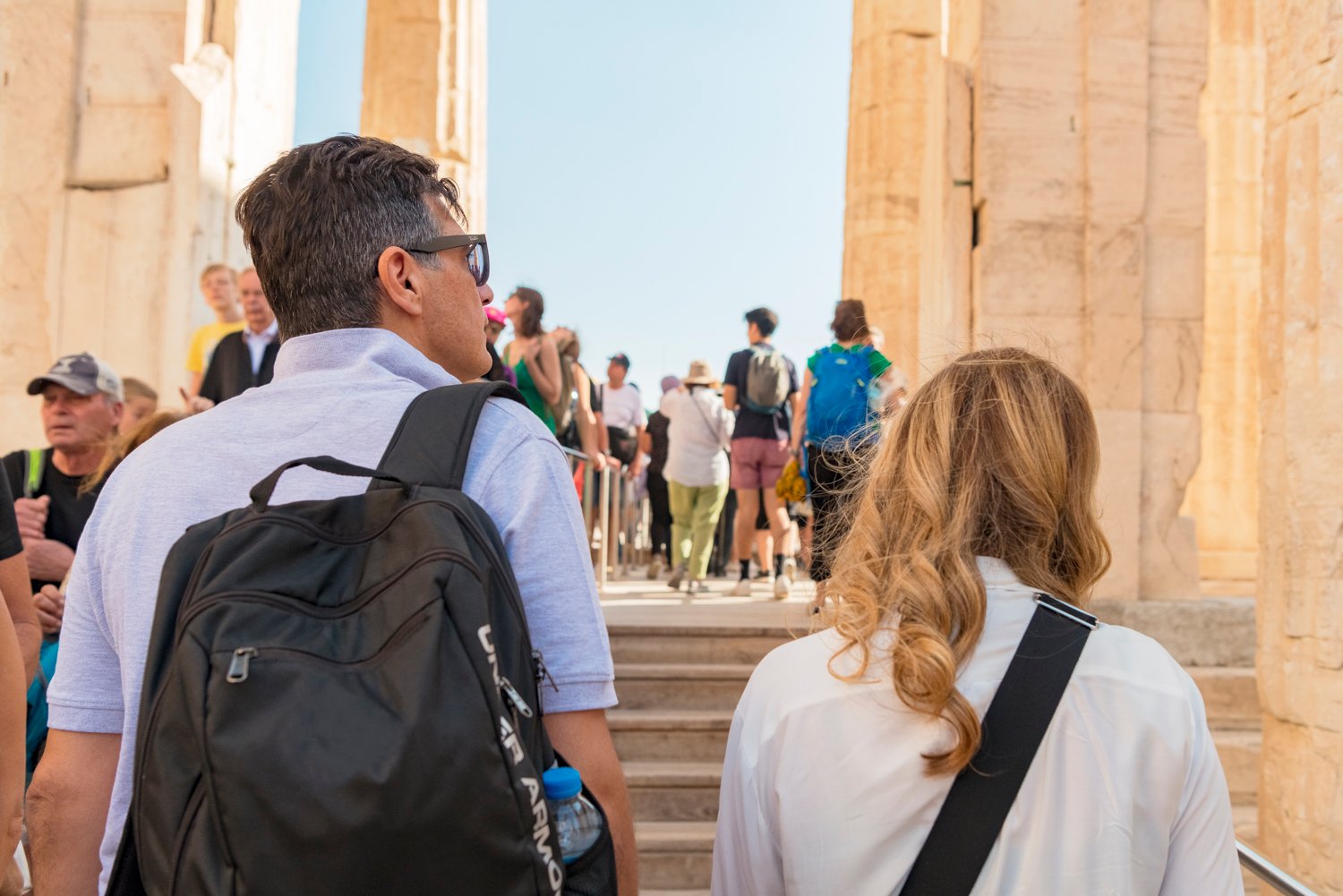
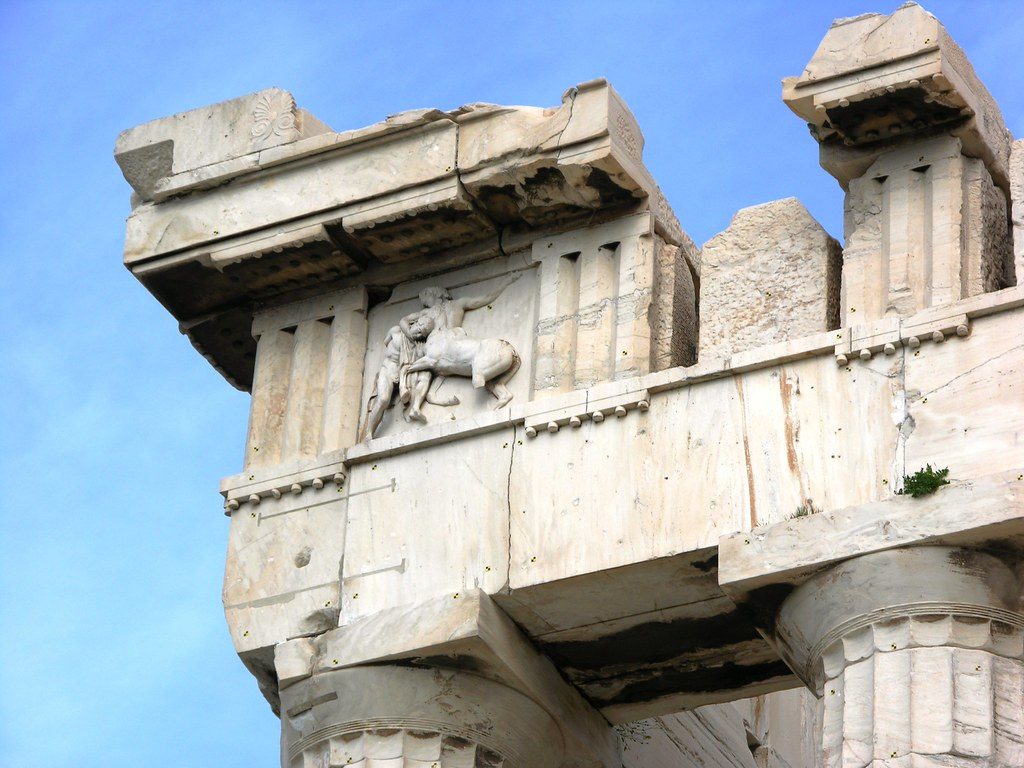
The climb begins through the Propylaea, where your guide pauses at the threshold to trace sightlines — straight ahead to the Parthenon's eastern façade, left to the Erechtheion's north porch. You count the column drums as you walk the south colonnade, each 1.9 metres in diameter and fitted without mortar. Your guide crouches beside a metope fragment, explaining how the Lapith-and-Centaur battle symbolized Greek triumph over Persian chaos.
At the Erechtheion you circle the six caryatids — five Roman-era copies, one original replaced in 1979 — and learn that the building's split-level floor accommodates bedrock sacred to three deities. The guide checks the time and leads you down to the museum, where you stand beneath the Parthenon frieze reassembled at eye level. She identifies individual figures by drapery style and gestures you've seen repeated across the site.
You finish on the museum's terrace, looking back at the rock as ferry horns echo from Piraeus eight kilometres south. The guide recommends returning at dusk when the site closes but floodlights activate, then hands you a reading list for the pediment sculptures still in London.
All the details about your upcoming adventure in one place
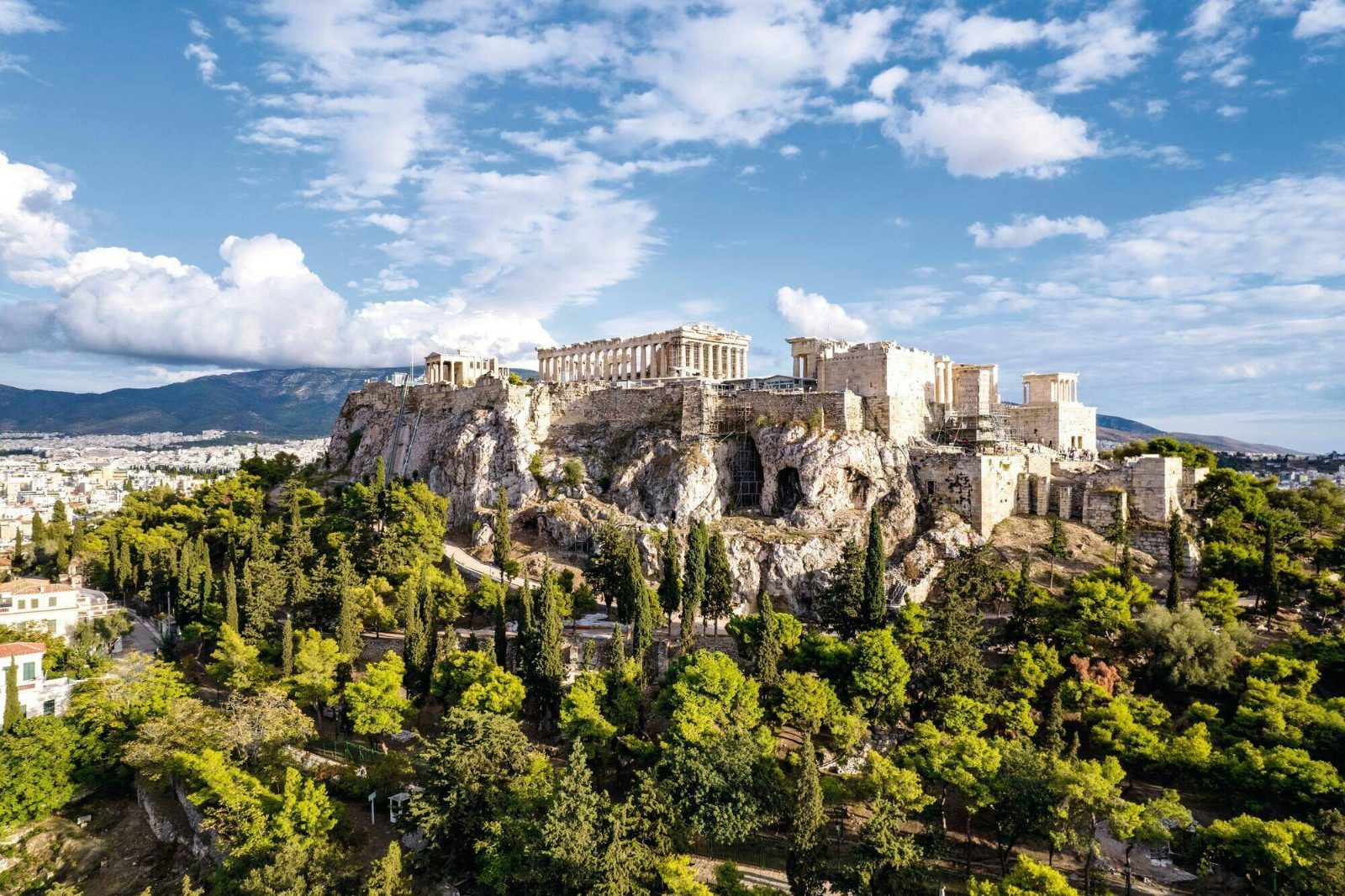
The Acropolis rises 156 metres above Athens, its limestone bedrock bearing 3,400 years of continuous human presence. Pericles commissioned the Parthenon in 447 BCE as a treasury for the Delian League, not a temple — its 46 Doric columns held gold reserves before Athena's cult took residence.
The frieze stretching 160 metres around the cella depicts the Panathenaic procession in such anatomical precision that modern surgeons have identified muscle groups in the carved horses. An Acropolis private guide decodes these details invisible to unaccompanied visitors.
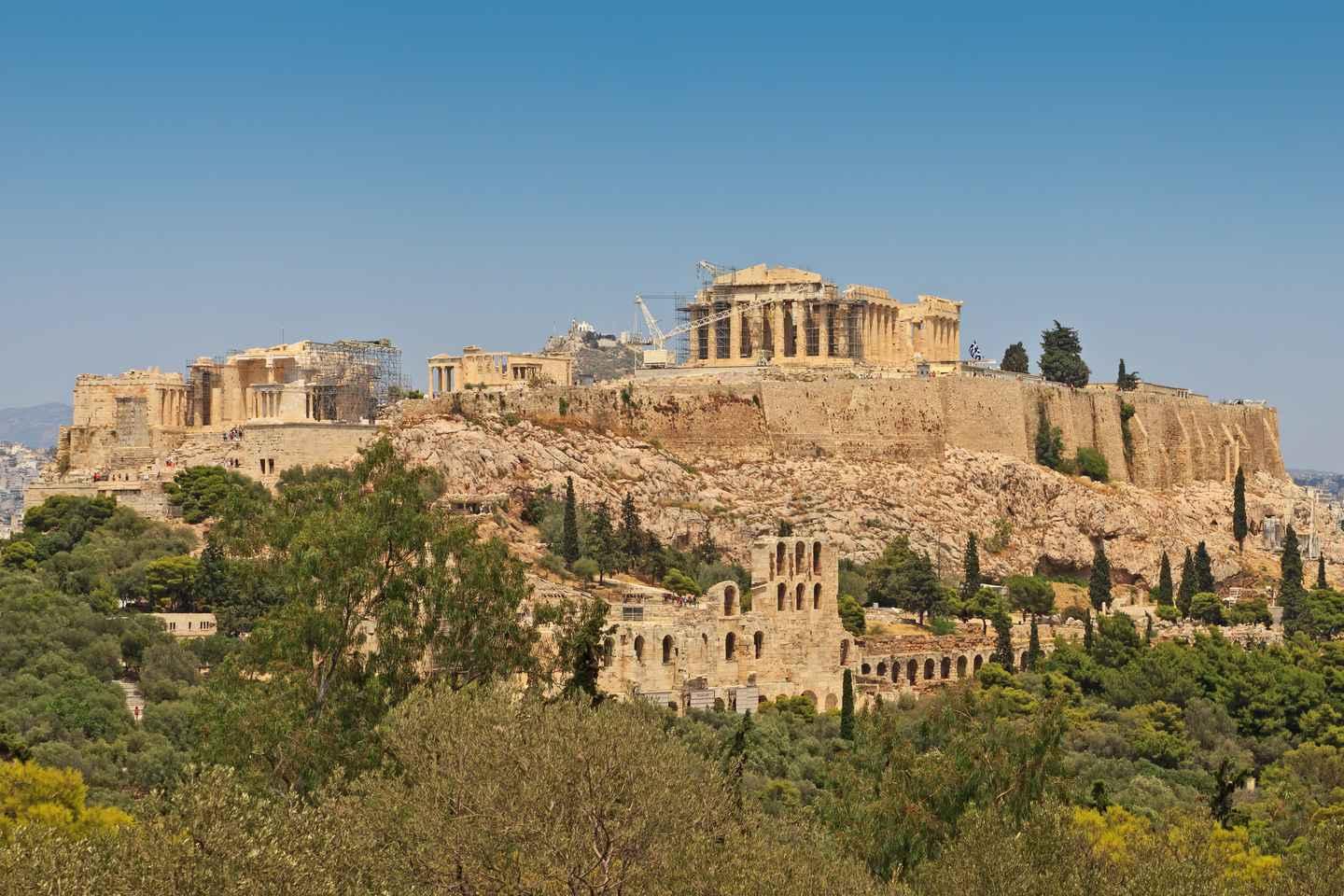
The site survived Ottoman artillery in 1687, when a Venetian mortar ignited gunpowder stored inside the Parthenon and obliterated the roof. Lord Elgin removed 247 feet of frieze panels between 1801 and 1812, leaving gaps still visible on the western façade. Restoration teams have spent four decades reassembling 1,686 marble fragments using titanium dowels — the cranes and scaffolding you see today are part of a conservation effort that began in 1975 and will extend past 2030. A knowledgeable guide contextualizes this layered damage and repair work, distinguishing Roman-era replacements from Byzantine alterations and modern anastylosis.
The Propylaea gateway ascends 200 steps from the entrance, its coffered marble ceiling once painted blue and gold. Private guides time arrivals for the 08:00 opening when oblique morning light throws column fluting into relief and tour groups have not yet clustered around the Erechtheion's caryatids. The Temple of Athena Nike, dismantled and rebuilt three times since antiquity, occupies a bastion southwest of the entrance — its parapet frieze shows winged Victories adjusting sandals, a motif guides link to sacrifice rituals documented in Athenian treasury records. These narratives accumulate across a two-hour walk, transforming marble ruins into a legible civic and religious complex.
Expert-led visits include access to the adjacent Acropolis Museum, where original sculptures rescued from the rock rest in climate-controlled halls. The top-floor Parthenon Gallery aligns its windows with the temple's axis 300 metres away, so visitors compare surviving pediment figures with the architecture they once crowned. Guides trained in classical archaeology connect workshop techniques — the running drill used for drapery folds, the rasp marks still visible on unfinished blocks — to broader shifts in fifth-century Athenian sculpture. This depth separates structured acropolis private guide tours from self-directed entry.

The Parthenon held gold reserves before Athena's cult took residence — its 46 Doric columns were a treasury first, a temple second.
Wear comfortable walking shoes with good grip for uneven marble paths. Modest clothing is recommended for respect at the Acropolis site.
Small bags are permitted but must be carried at all times. Security checks are mandatory at the entrance for all visitors.
Personal photography is permitted throughout the Acropolis. Use of tripods or professional lighting equipment requires prior written authorization.
The Acropolis is suitable for families with older children. Strollers are difficult to manage on the uneven terrain and are not recommended for an acropolis private guide tour.
The site is steep with 200 steps to navigate. An elevator is available for mobility-impaired visitors on the north slope, though it requires prior coordination.
Consumption of food is prohibited within the archaeological site. Only small bottles of water are permitted to remain hydrated during your acropolis private guide visit.
Opening Hours
08:00–20:00
Address
Athens 105 58, Greece
Step Count
200
Arrival
08:00–10:00
Storage
Not available on site
Site
Acropolis archaeological site
Public transport · 30 min · 2 EUR
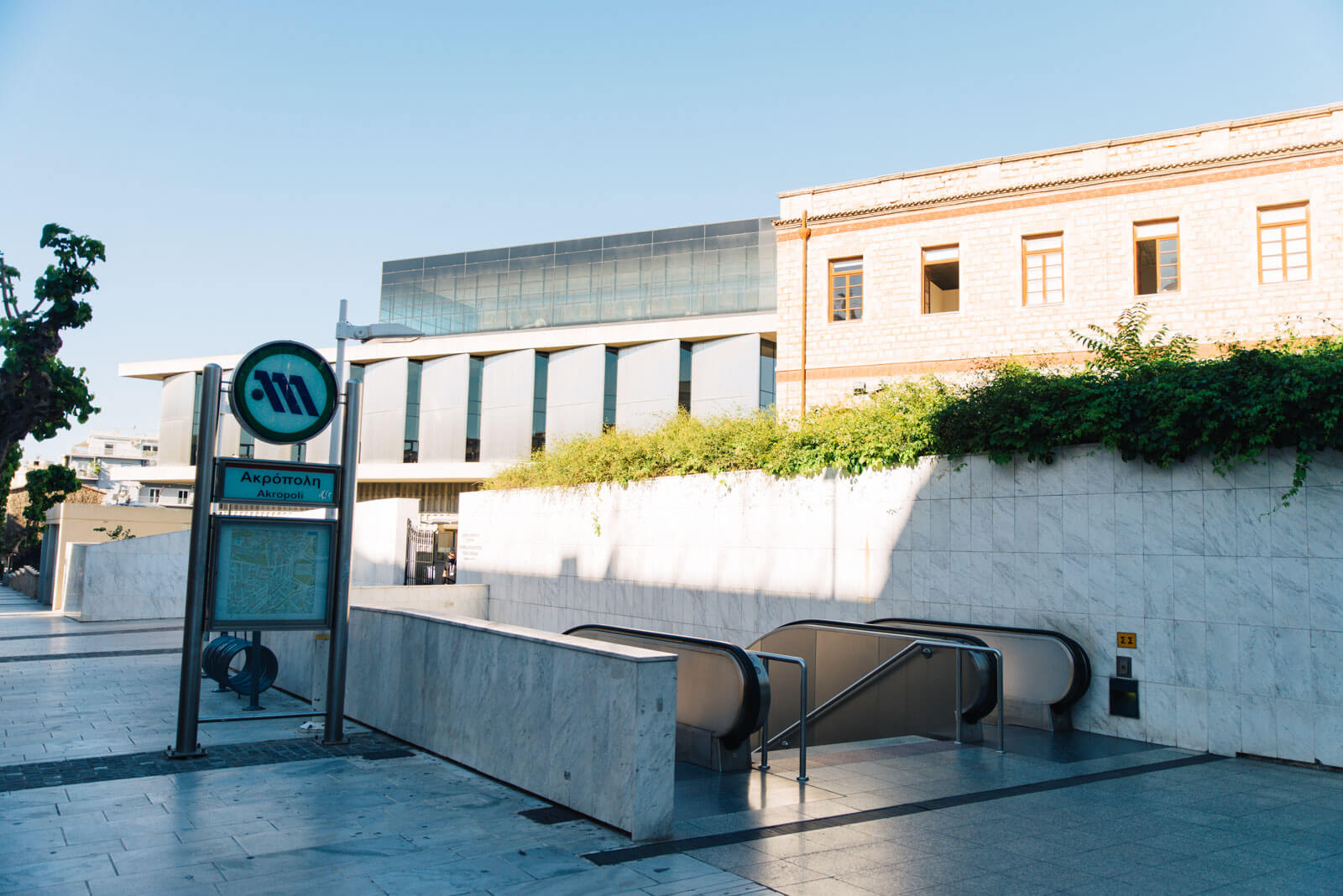
Take Line 2 to Akropoli station. It is a 5-minute walk to the entrance
Taxi · 20 min · 15 EUR
Request drop-off at the pedestrian zone near Dionysiou Areopagitou
Full refunds are available for cancellations made within the operator's specified window. Note that the 30 EUR entrance fee is a non-refundable government charge once processed.
Recommended time
2.5-3 hours
To experience the site thoroughly, an acropolis private guide offers the necessary context to navigate the 200 steps and complex marble ruins efficiently. Scheduling your Athens archaeological tour within the best arrival window of 08:00–10:00 allows you to bypass the intense midday heat and largest cruise ship groups. Booking acropolis private guide tours ensures a seamless experience with skip-the-line access, while those seeking deeper engagement with the Parthenon and Erechtheion should allocate extra time for these landmarks. Securing acropolis private guide tickets in advance remains the most effective way to manage your day effectively.
Crowd levels through the day
Weather · crowds · average price — dots go green to amber to red as each metric rises.
Mild temperatures make walking the site enjoyable. Wildflowers are often in bloom across the slope.
Expect high temperatures and peak tourist levels. Arrive between 08:00–10:00 to manage the heat.
Cooler air provides relief during September and October. This is the optimal time for an acropolis private guide tour.
Crowds are minimal and the site is quiet. Wear layers as marble surfaces can be slippery when wet.
Carry water as there are no shops inside the archaeological zone. Your acropolis private guide can advise on the best spots to refill near the exit.
Prioritize non-slip soles for marble paths. This is essential for safety during your acropolis private guide session.
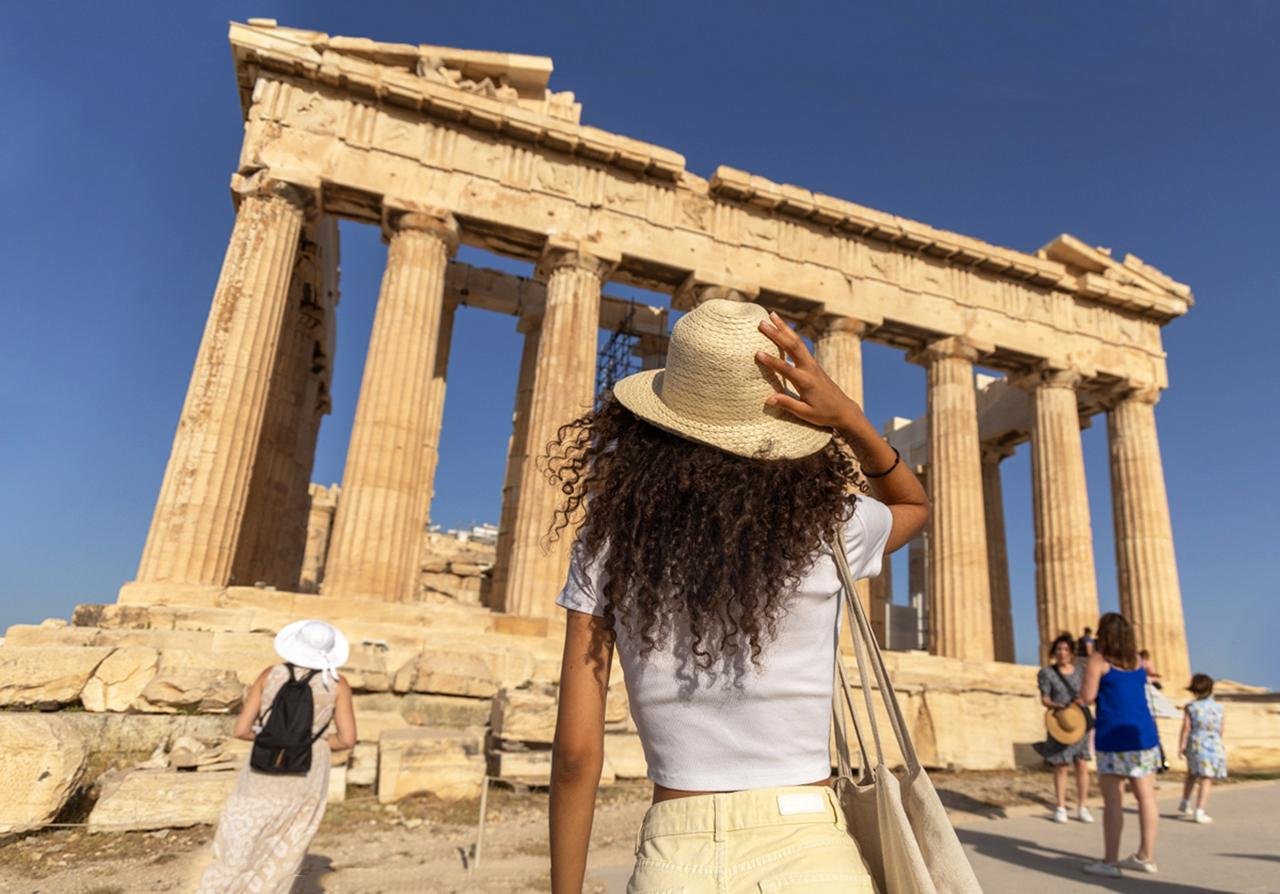
The site has minimal shade across the plateau. Wear a hat to protect yourself while the acropolis private guide explains the history.
Secure your acropolis private guide tickets early to ensure availability. This allows for a smoother entry process.
Use the 08:00–10:00 arrival window to avoid heat. Your acropolis private guide will navigate the site more easily without peak crowds.
The limestone outcrop that would become the Acropolis first sheltered Mycenaean rulers around 1200 BCE, when cyclopean walls encircled a fortified palace. By the sixth century BCE, the tyrant Peisistratos had commissioned an early temple to Athena, but Persian invaders razed it in 480 BCE during Xerxes' sack of Athens. The rubble, buried as sacred waste in pits across the summit, preserved archaic sculpture that archaeologists would later recover. Pericles launched the Classical rebuilding in 447 BCE, entrusting the sculptor Pheidias with overall supervision. The Parthenon rose over fifteen years, its Pentelic marble columns calibrated with entasis to counteract optical distortion. Ictinus and Callicrates engineered a structure that held a twelve-meter chryselephantine statue of Athena, sheathed in gold and ivory. The Propylaea gateway, begun in 437 BCE by Mnesicles, remained unfinished when the Peloponnesian War drained Athens' treasury. The Erechtheion, completed in 406 BCE, balanced Ionic refinement against the Parthenon's Doric severity, its Caryatid porch supporting the roof on sculpted maidens. Byzantine Christians converted the Parthenon into a church by the sixth century CE, piercing its cella for an apse. Ottoman forces transformed it into a mosque in 1458, adding a minaret. Venetian artillery struck the building in 1687 during Francesco Morosini's siege, detonating gunpowder the Ottomans had stored inside and obliterating the central colonnade. Lord Elgin removed half the surviving frieze and pediment sculpture between 1801 and 1805, shipping the marbles to London. Greek independence in 1832 sparked archaeological campaigns that cleared medieval and Ottoman additions, a purist agenda that erased centuries of adaptive reuse. Today, an acropolis private guide navigates visitors through this layered chronicle, interpreting column drums recut for Christian masonry and Ottoman cannonball scars. The Acropolis Restoration Service, founded in 1975, has stabilized structures with titanium dowels and anastylosis, reversing crude twentieth-century cement repairs. An acropolis private guide tour traces how each regime inscribed its authority onto these stones, while acropolis private guide tickets grant access to the summit where Persian destruction, Classical ambition, and modern conservation intersect.
Mycenaean kings fortified the outcrop with cyclopean walls, establishing the site's defensive role.
Persian forces under Xerxes burned the early Athena temple, leaving rubble that preserved archaic sculpture.
Pericles commissioned the Parthenon under Pheidias' direction, completing the Doric temple in fifteen years.
Venetian artillery detonated Ottoman gunpowder stored in the Parthenon, destroying the central structure.
Lord Elgin removed half the Parthenon's frieze and pediment sculptures, shipping them to Britain.
Greece established the Acropolis Restoration Service to reverse damage from earlier cement repairs and pollution.
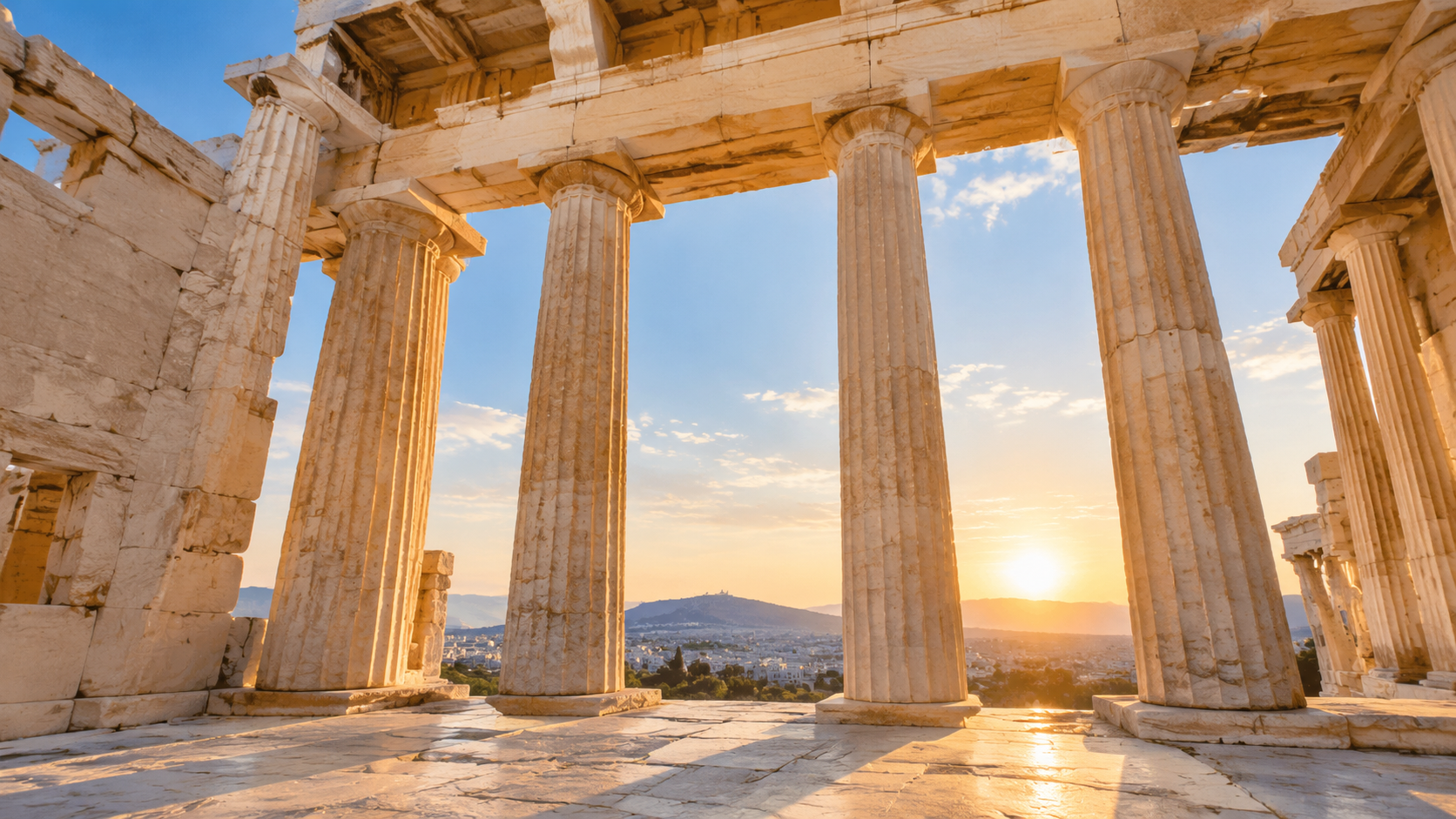
Stand at the base of the monumental gateway to capture the sheer scale of the marble columns against the sky. This is an ideal vantage point for an acropolis private guide tour to frame the transition from the city to the sacred precinct.
Position yourself at the northwest angle to capture the iconic Doric architecture with the Erechtheion visible in the foreground. Engaging an acropolis private guide ensures you find this unobstructed angle amidst the daily foot traffic.
Focus your lens on the Caryatids from the designated barrier line to observe the detailed drapery of the statues. Your acropolis private guide tickets grant you access to this area where you can appreciate the structural craftsmanship of this UNESCO heritage site.
From the southern slopes looking upward, you can photograph the ancient stone tiers leading toward the summit. This perspective offers a sense of historical context often highlighted during acropolis private guide tours.
Exploring this UNESCO heritage site with children is manageable when you secure an acropolis private guide to navigate the ancient paths. Having a dedicated expert allows families to focus on the Parthenon columns and Erechtheion architecture without managing complex logistics.
Strollers are not recommended due to the uneven marble terrain and 200 steps required for access. Consider using a baby carrier for a stress-free acropolis private guide tour.
School-aged children often find the Greek myths most engaging, though the site is open to all ages. Booking acropolis private guide tickets ensures the narrative remains tailored to your child's interest level.
There are no baby-change facilities available inside the archaeological site, so plan accordingly before entry. Public restrooms are located at the entrances for your convenience.
The climb to these historic landmarks is physically demanding, especially for smaller legs. We suggest selecting an acropolis private guide tours option that allows for frequent rest stops and flexible movement.
Visitors seeking a meal after an acropolis private guide experience will find authentic Greek flavors tucked into the winding streets of Plaka and Makryianni. While the archaeological site itself provides minimal refreshments, these nearby establishments offer shaded terraces for resting after the 200 step ascent.
Located near the museum, this spot is ideal for sharing moussaka or fresh Greek salads. It offers a relaxed atmosphere perfect for discussing insights from your acropolis private guide tour.
Everything you need to know for your journey
The site is open daily from 08:00–20:00. Your acropolis private guide will meet you within these operating hours.
Yes, there is an elevator on the north slope. Please coordinate with your acropolis private guide regarding specific access needs.
Small bags are permitted. Large items must be left outside, which an acropolis private guide can help you manage.
Personal photography is allowed. Feel free to capture memories during your acropolis private guide experience.
The best arrival window is 08:00–10:00 to avoid crowds. This is highly recommended for any acropolis private guide booking.
Modest dress is encouraged out of respect for the site. Comfortable footwear is vital for the 200 steps.
Food consumption is prohibited inside. Water is allowed and recommended for your acropolis private guide walk.
Public transport via the Akropoli metro station is the most efficient method to reach your acropolis private guide.
Yes, families are welcome. An acropolis private guide can tailor historical stories to be engaging for younger visitors.
Refunds depend on the specific operator terms, though the 30 EUR entrance fee is typically fixed.
Yes, many visitors combine their session with nearby ancient sites. Ask your acropolis private guide for recommendations.
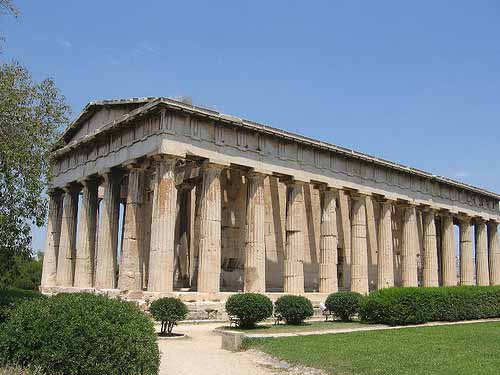
The iconic marble temple dedicated to Athena. It remains the centerpiece of the Athenian Acropolis.
A stone Roman theater structure built in 161 AD. It still hosts performances during summer months.
A prominent rock outcrop offering views of the city. It served as a high court in ancient times.
Massive former temple dedicated to the king of the Olympian gods. The remaining columns are monumental in scale.
Historic hotel facing Syntagma Square
Classic style hotel with a rooftop pool
Neighborhood featuring traditional architecture and guesthouses
Join thousands of happy travelers who have discovered this incredible experience
Book Your Experience Now