2 hr
Acropolis, Parthenon & Museum Guided Experience
- Expert local guide
- Small group
- Skip-the-line access
- Free cancellation
Acropolis Private Tour — Reserved Entry & Expert Guides
Ascend the sacred rock with a dedicated guide, bypassing the queue at dawn.
Compare fares, pick the fit — all bookings are mobile-voucher and eligible for free cancellation where shown.
2 hr
3 hr
3 hr
| Experience | Duration | Rating | Skip-the-line | Guide | Small group | Free cancel. | Price | |
|---|---|---|---|---|---|---|---|---|
|
Guided Experience
Most popular
Acropolis, Parthenon & Museum Guided Experience
|
2 hr | ★ 4.8 | ✓ | ✓ | ✓ | ✓ | €29 | Book → |
|
Guided Experience
Acropolis, Parthenon & Museum Small Group Experience
|
3 hr | ★ 4.8 | ✓ | ✓ | ✓ | ✓ | €49 | Book → |
|
Luxury / Private
Private Acropolis & Museum Tour with Archaeological Expert
|
3 hr | ★ 4.9 | ✓ | ✓ | — | ✓ | €139 | Book → |
Worth it for depth seekers and first-timers
An acropolis private tour typically costs €150–€300 per group (2–6 people), versus the €30 self-guided entrance fee. That premium buys you a licensed archaeologist or historian who decodes the Parthenon's frieze symbolism, explains the Erechtheion's architectural innovations, and connects the Propylaea to Athens' golden age under Pericles. Without a guide, you're reading plaques in summer heat; with one, the marble fragments become narratives about democracy, empire, and myth. The value equation works best for first-time visitors who want the site's full archaeological context in 90–120 minutes, families with curious teenagers, or anyone who learns better through dialogue than signage. Solo budget travelers paying the full private rate see weaker ROI—consider small-group guided tours (€40–€60) as a middle path. The Acropolis rewards preparation: a private expert transforms scattered ruins into a coherent story, but only if you're willing to invest beyond the baseline ticket price.
Bottom line: Private Acropolis tours justify their cost when archaeological depth matters more than budget sightseeing.
Hand-picked experiences loved by thousands of travelers
1 hour 30 minutes
Free Cancellation
Explore Athens' ancient citadel with an expert archaeologist on this exclusive private walking experience
8 hours
Free Cancellation
Discover ancient wonders and modern Athens charm on this comprehensive private tour with door-to-door service
4 hours
Free Cancellation
Explore Athens' ancient summit and world-class museum with a licensed archaeologist guiding only your group
4-5 hours
Free Cancellation
Explore ancient monuments and iconic landmarks in luxury comfort with flexible private transportation
6.5 hours
Free Cancellation
Explore ancient wonders and modern Athens on an exclusive 6.5-hour journey with expert commentary
5 hours 30 minutes
Free Cancellation
Explore ancient wonders with a licensed guide on this comprehensive walking journey through Athens' highlights
1.5 hours
Free Cancellation
Explore Athens' ancient citadel with an archaeologist guide on this exclusive 90-minute journey through history
3.5 hours
Free Cancellation
Discover ancient Athens with a PhD archaeologist on this exclusive private experience
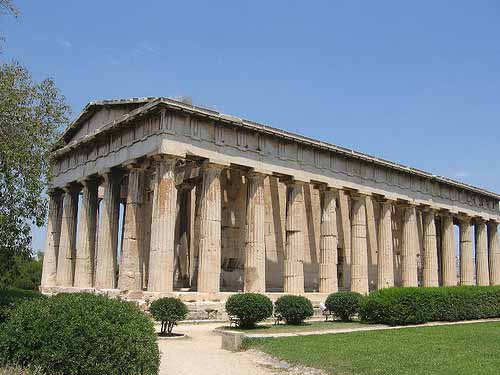
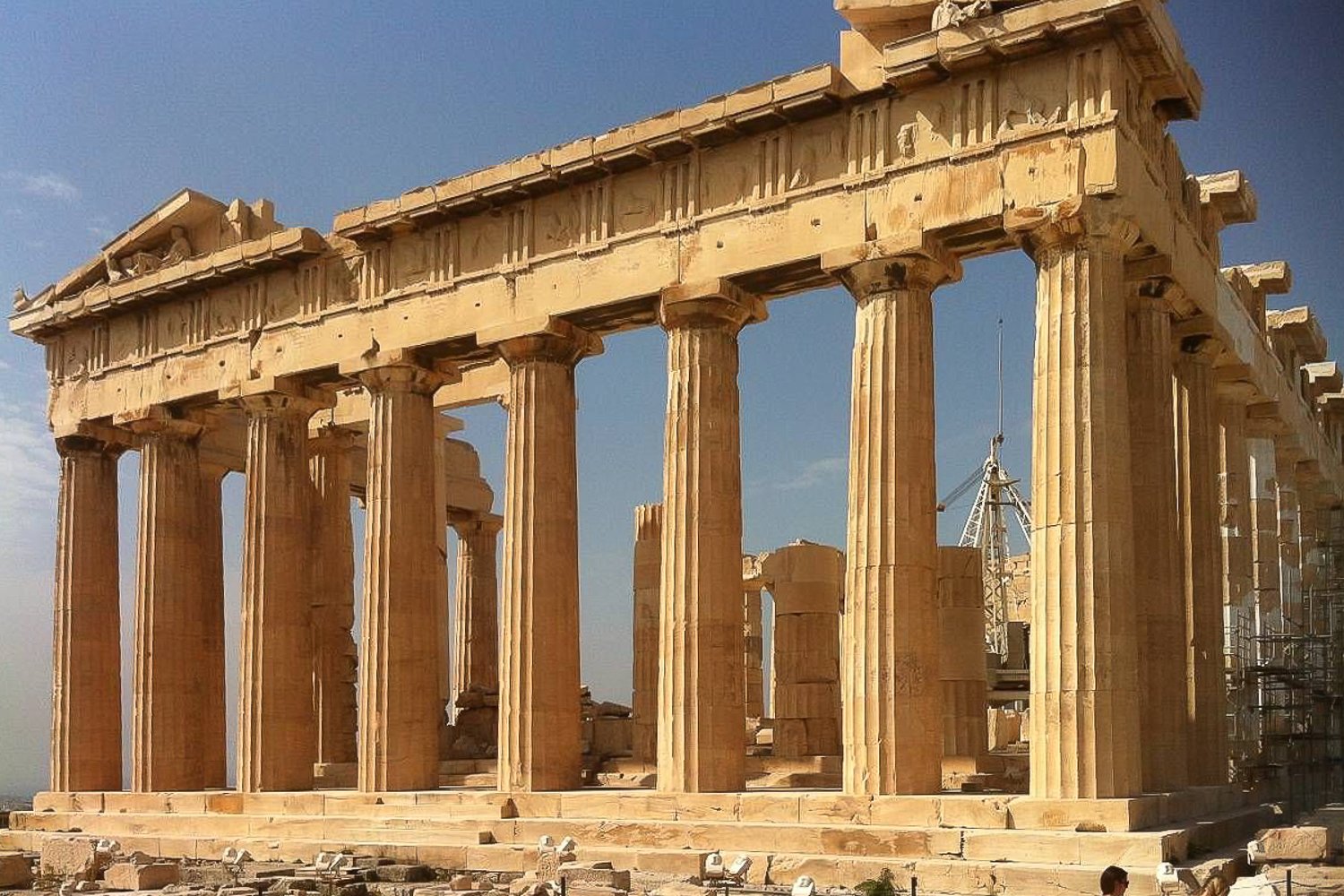
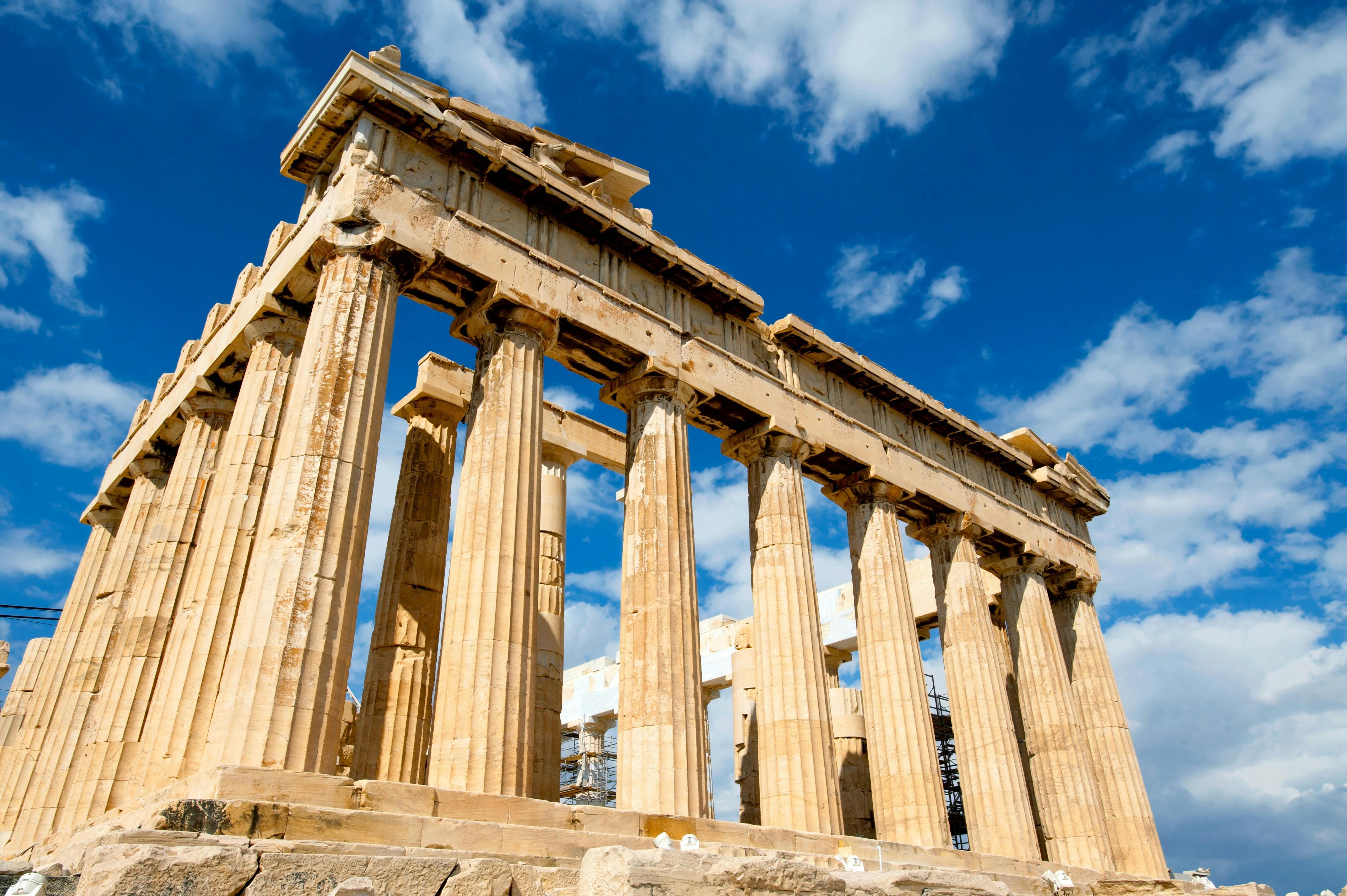
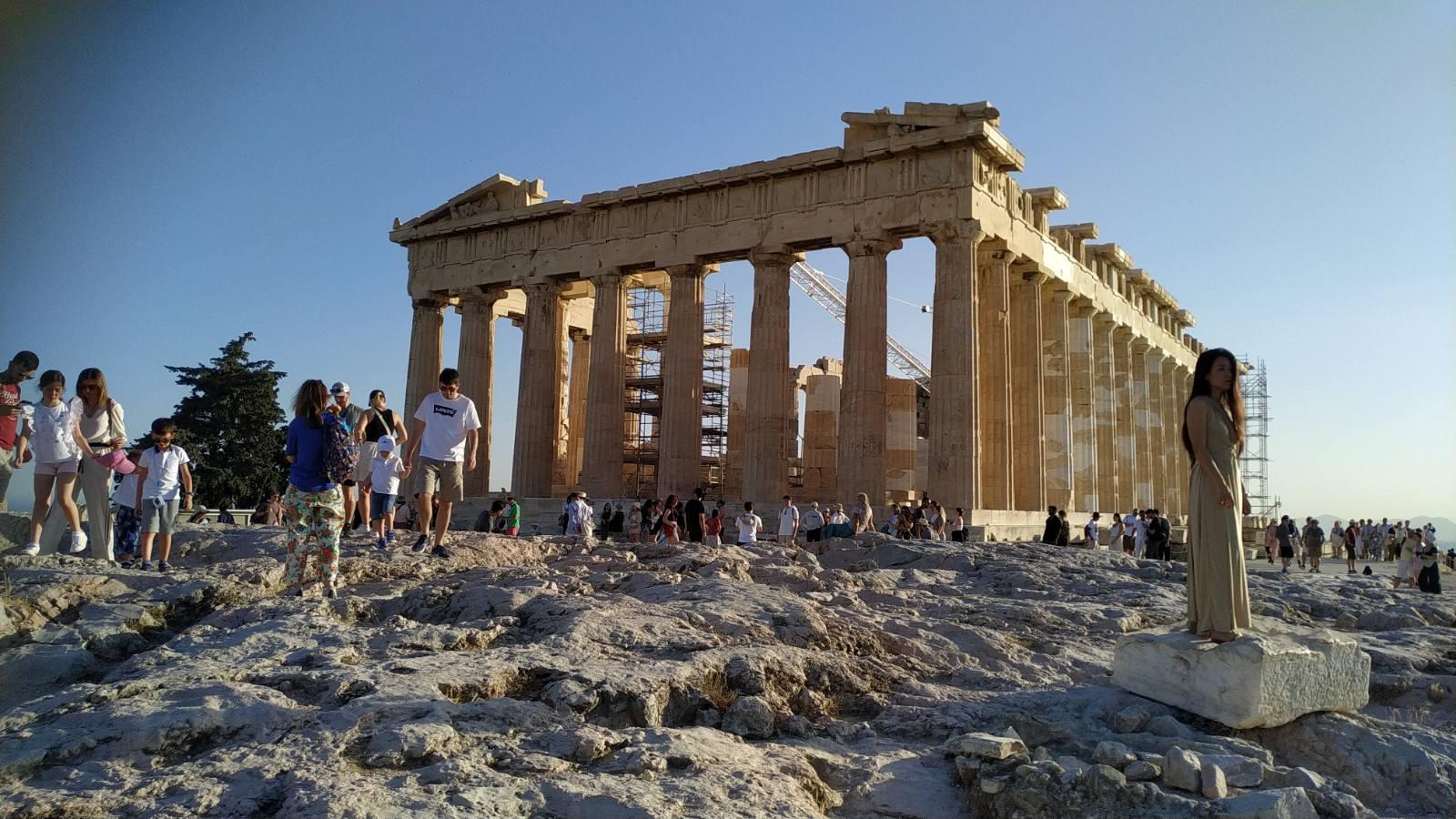
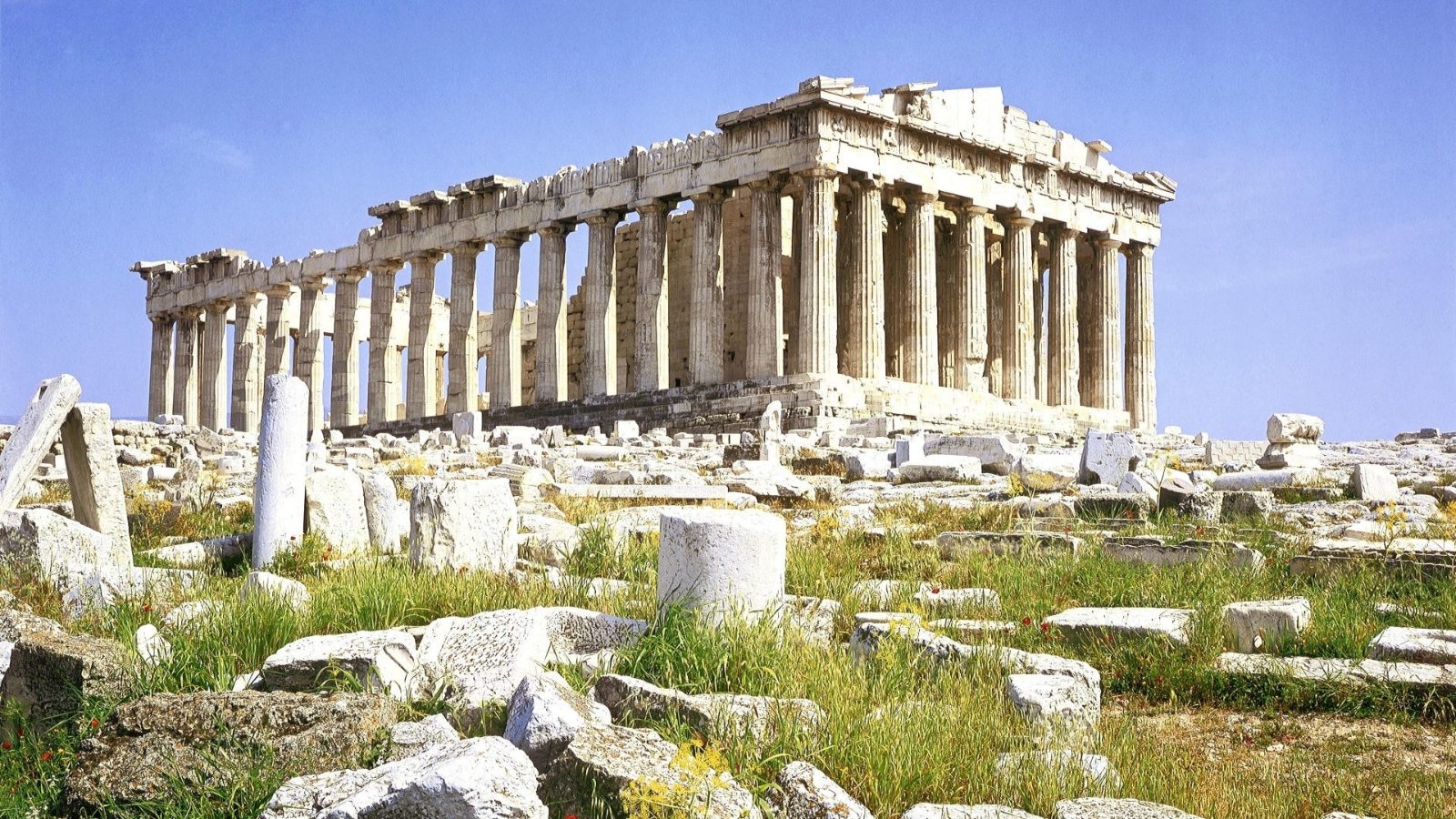
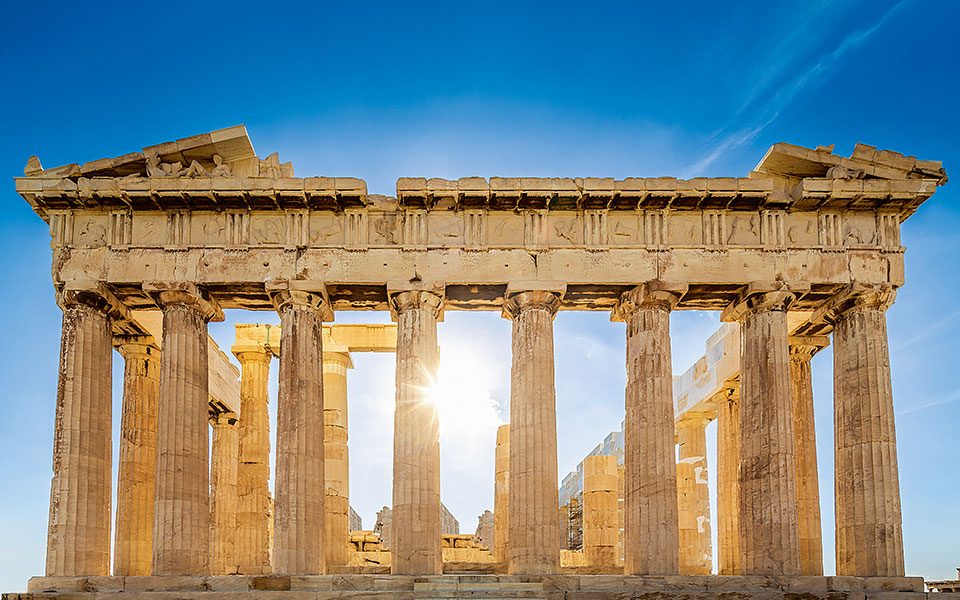
The centerpiece temple built between 447 and 432 BCE, showcasing advanced optical engineering.
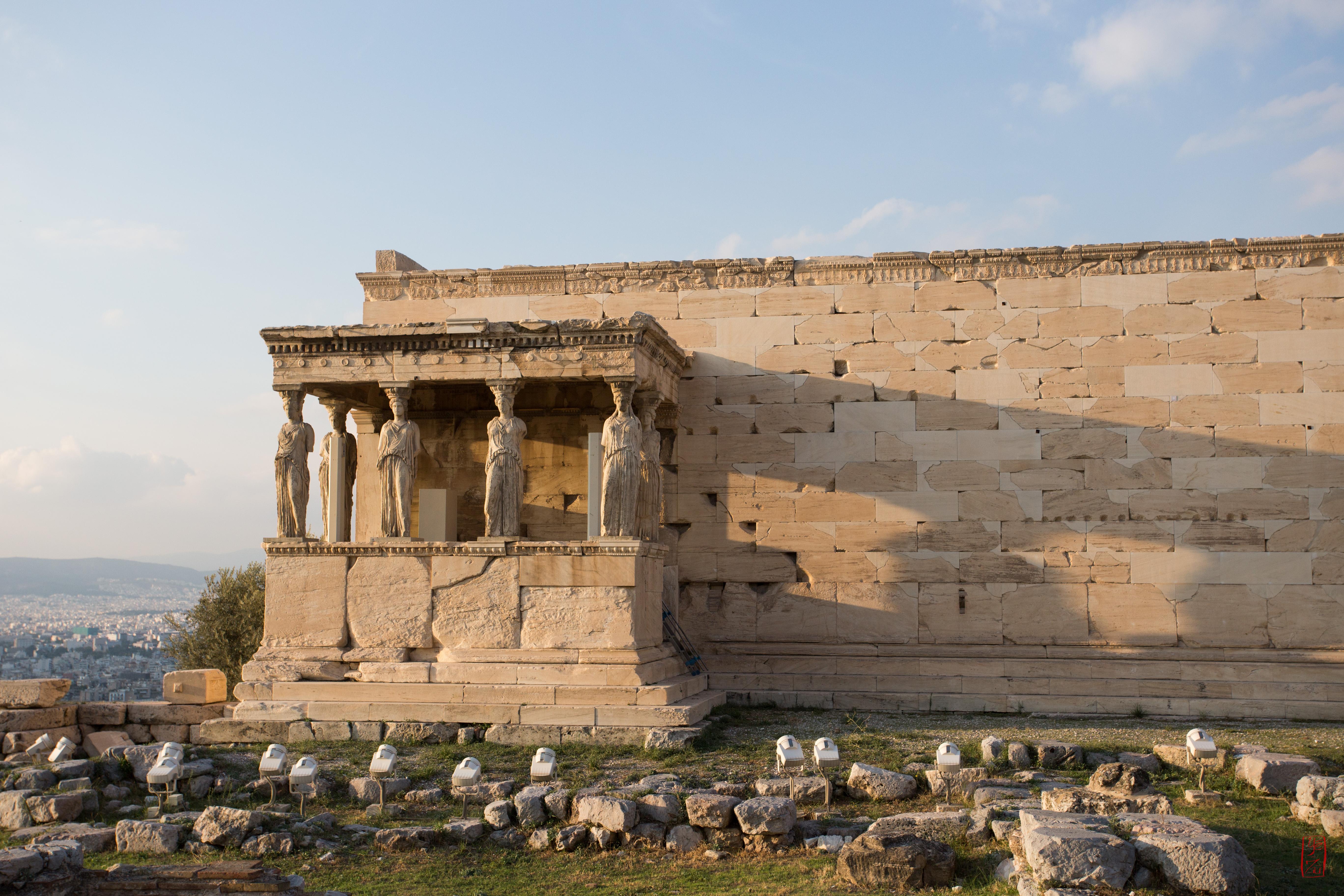
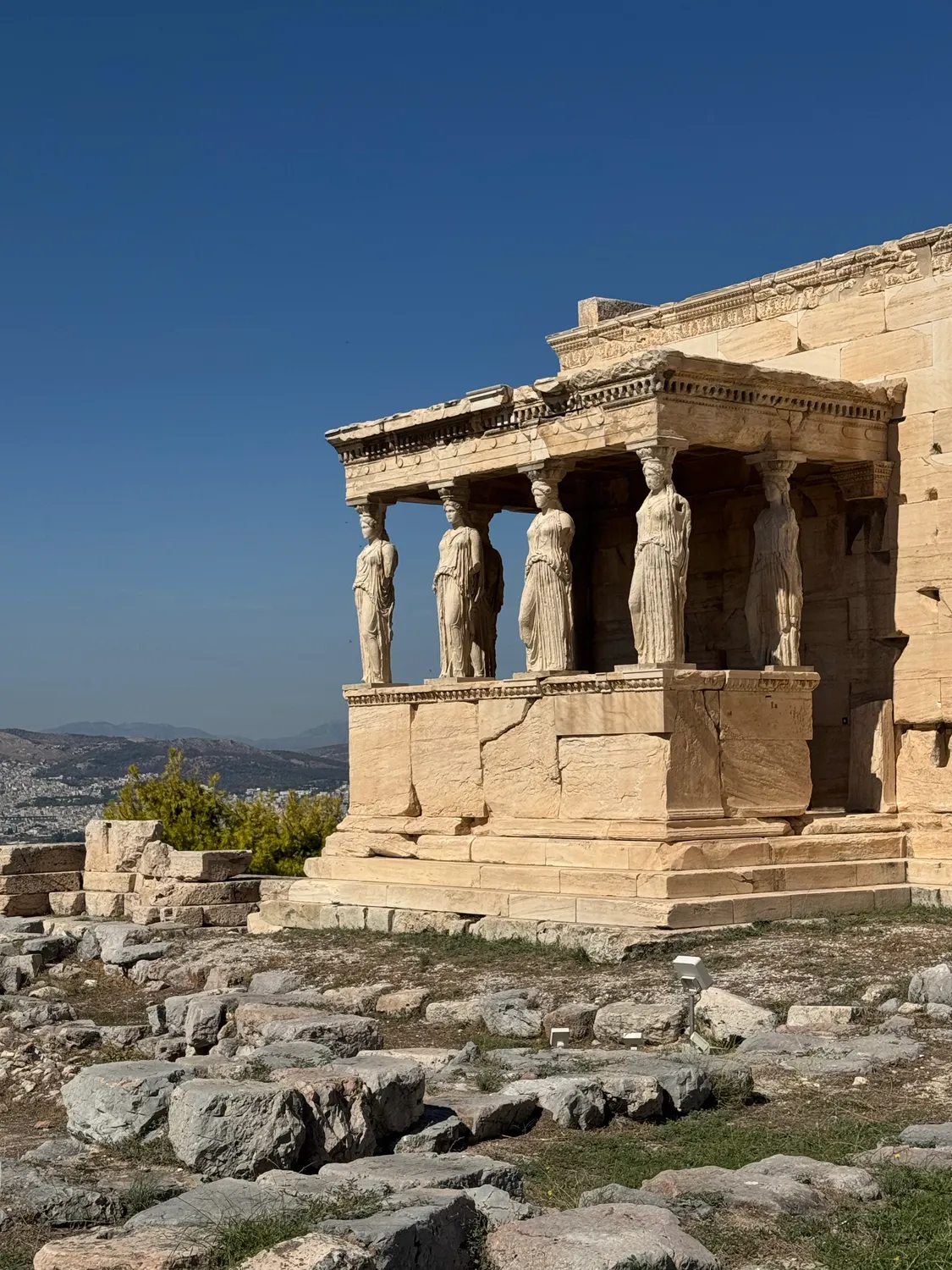
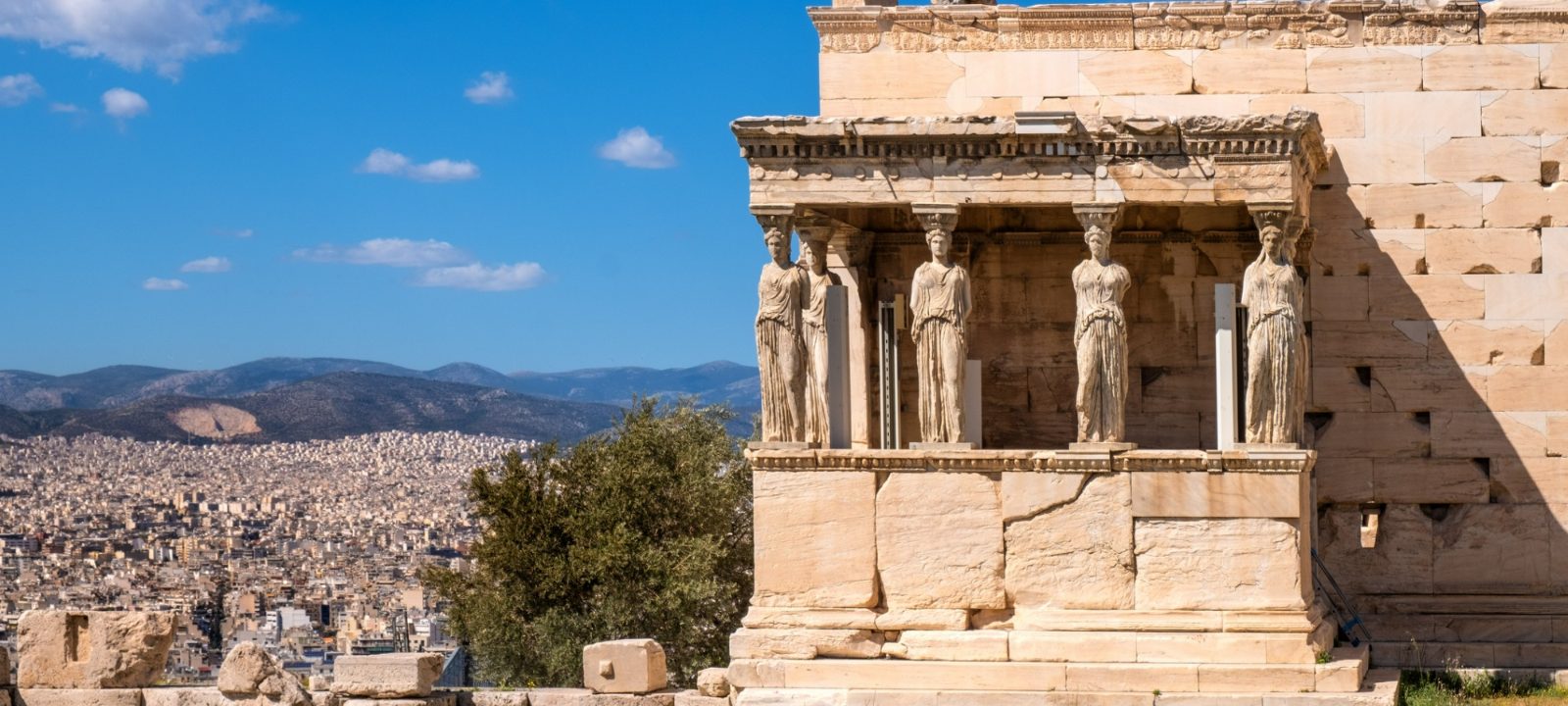
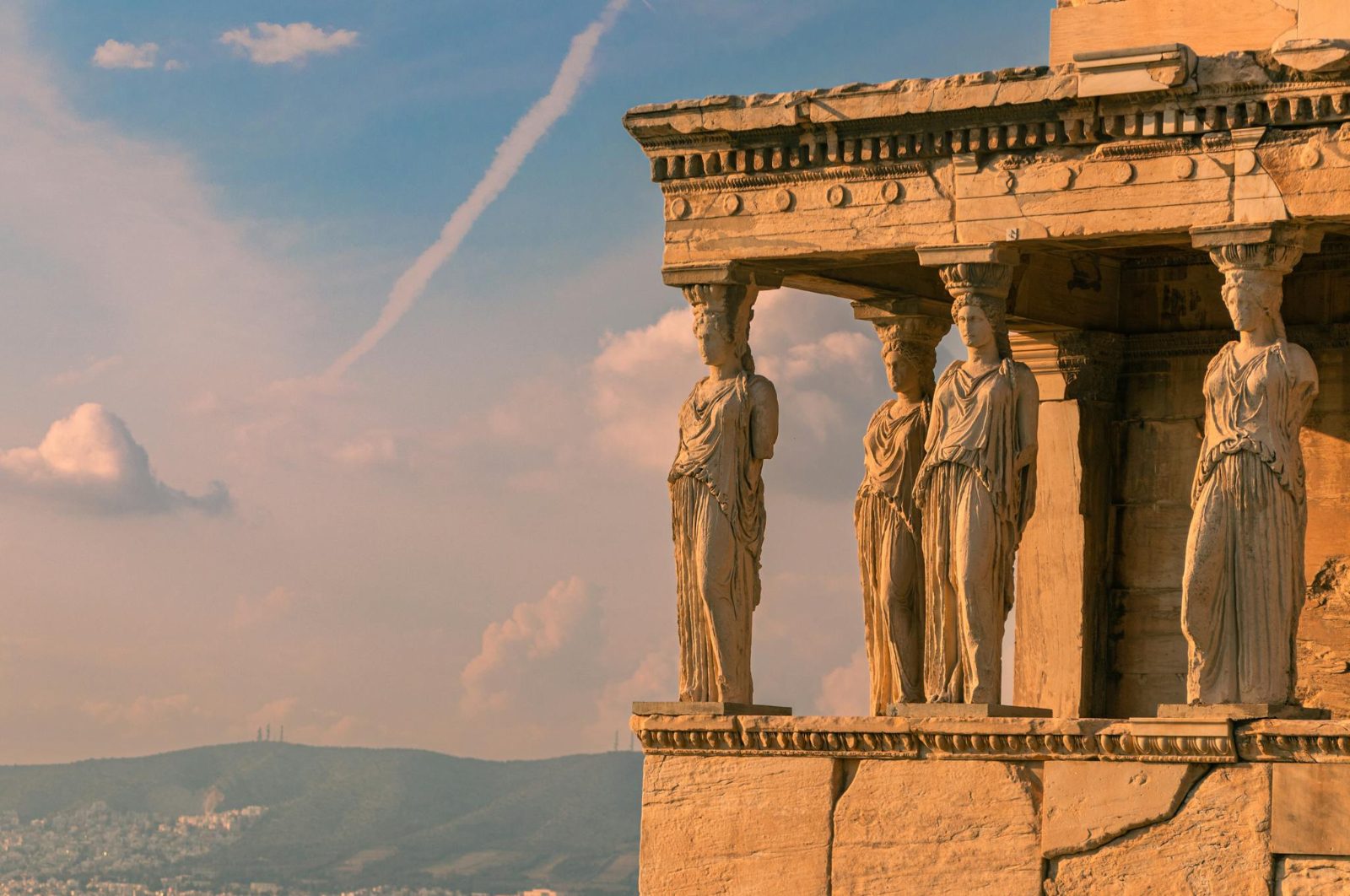
An ancient Greek temple known for the Porch of the Caryatids, featuring six draped female figures as supporting columns.
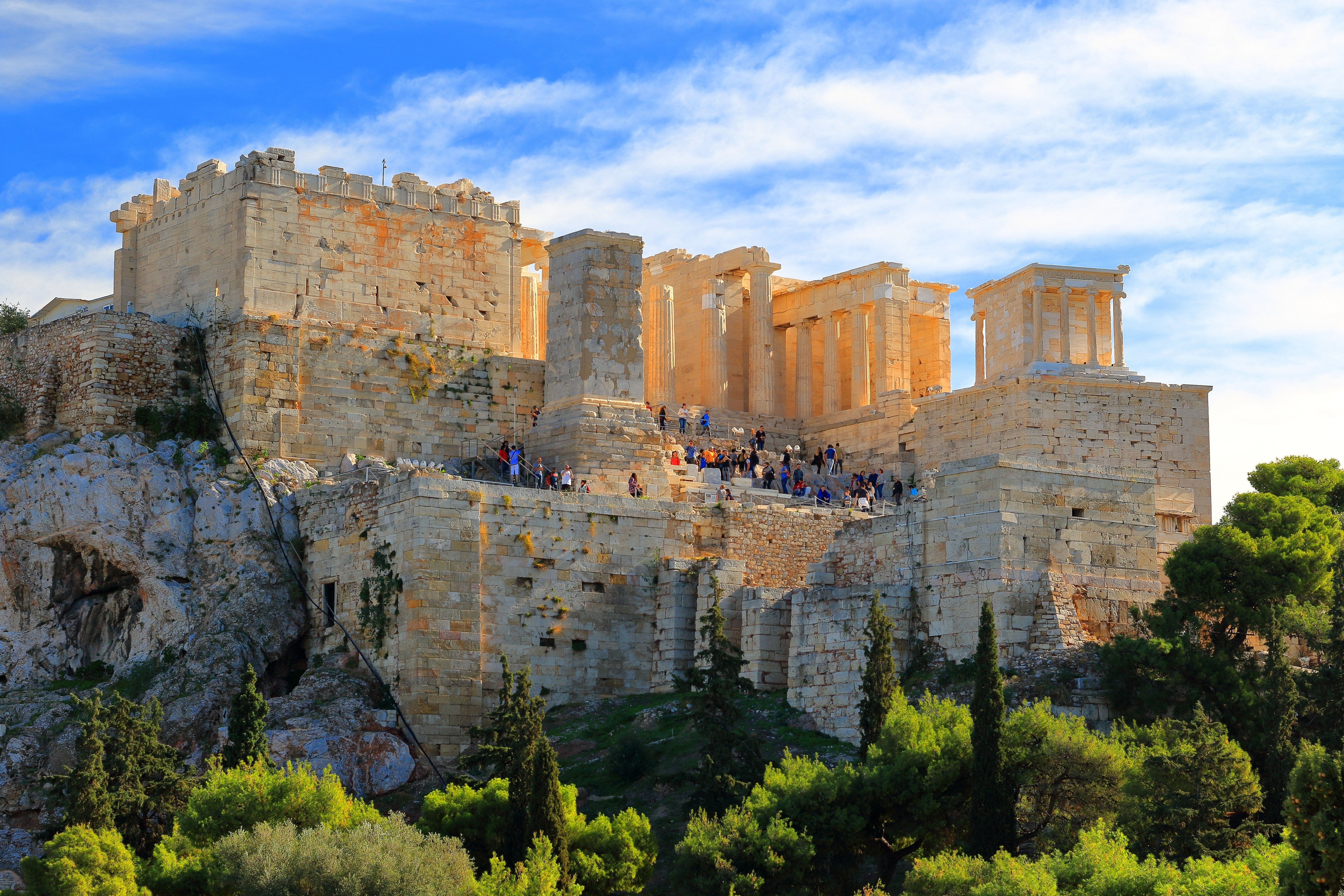
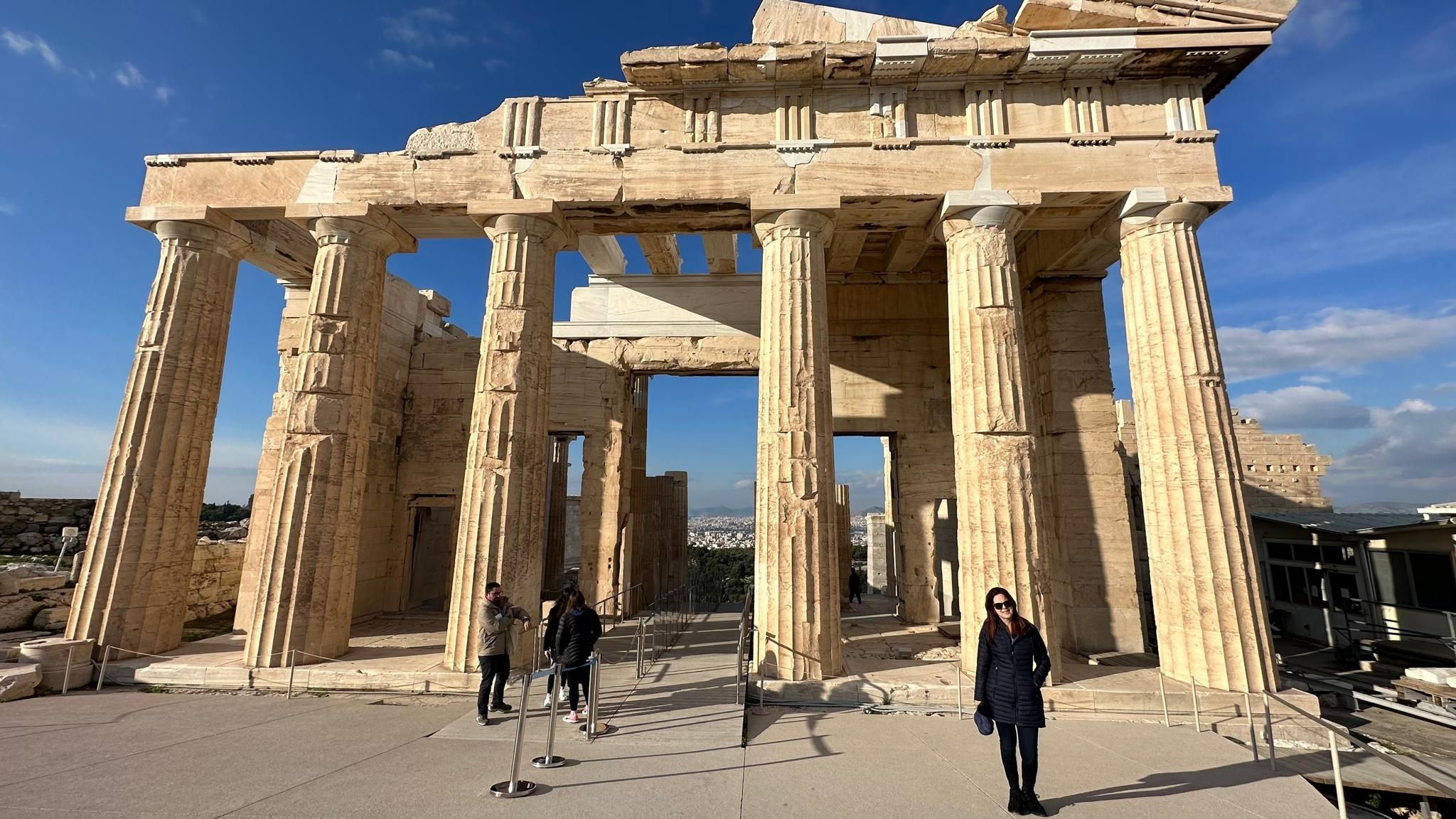
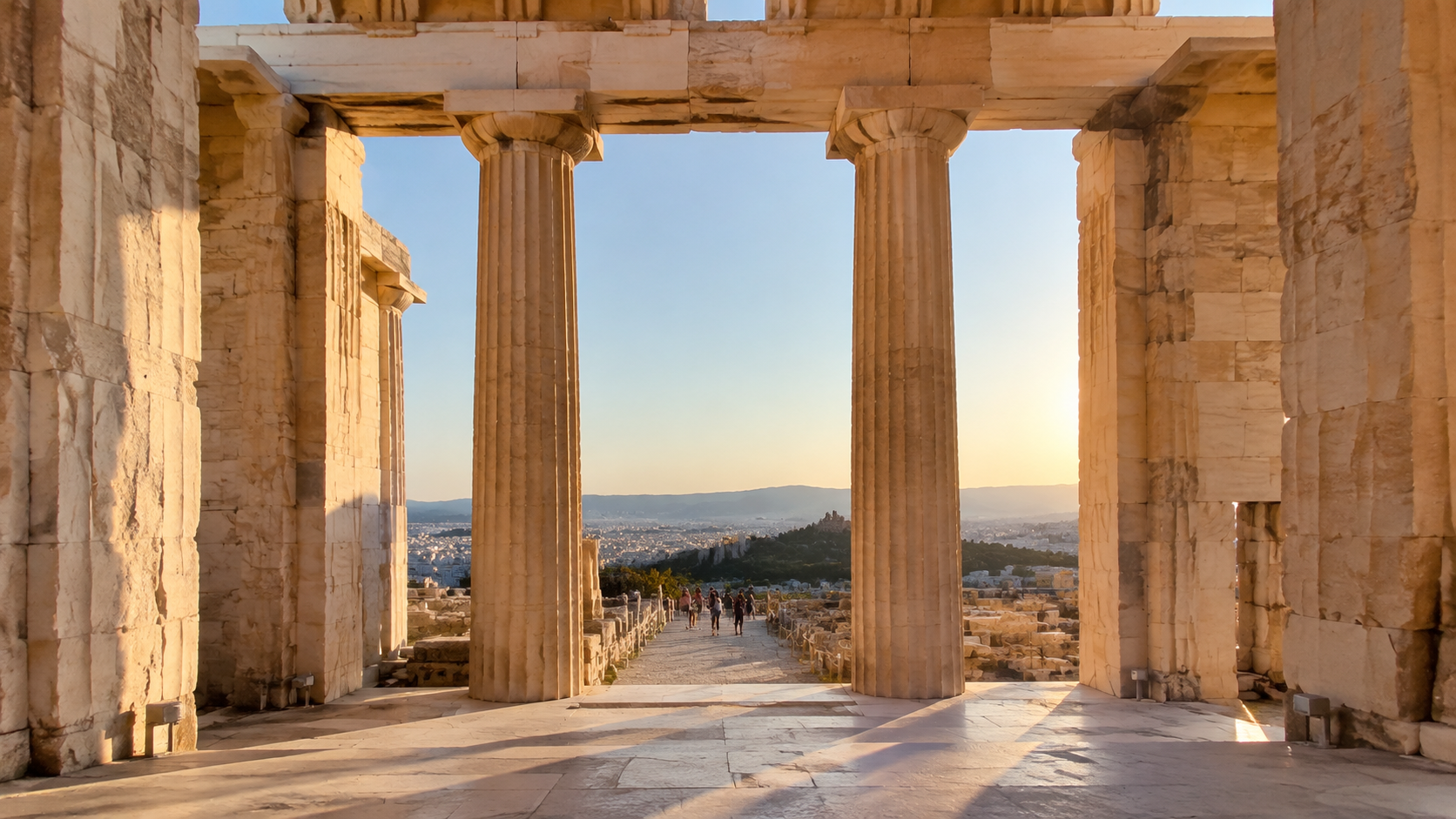
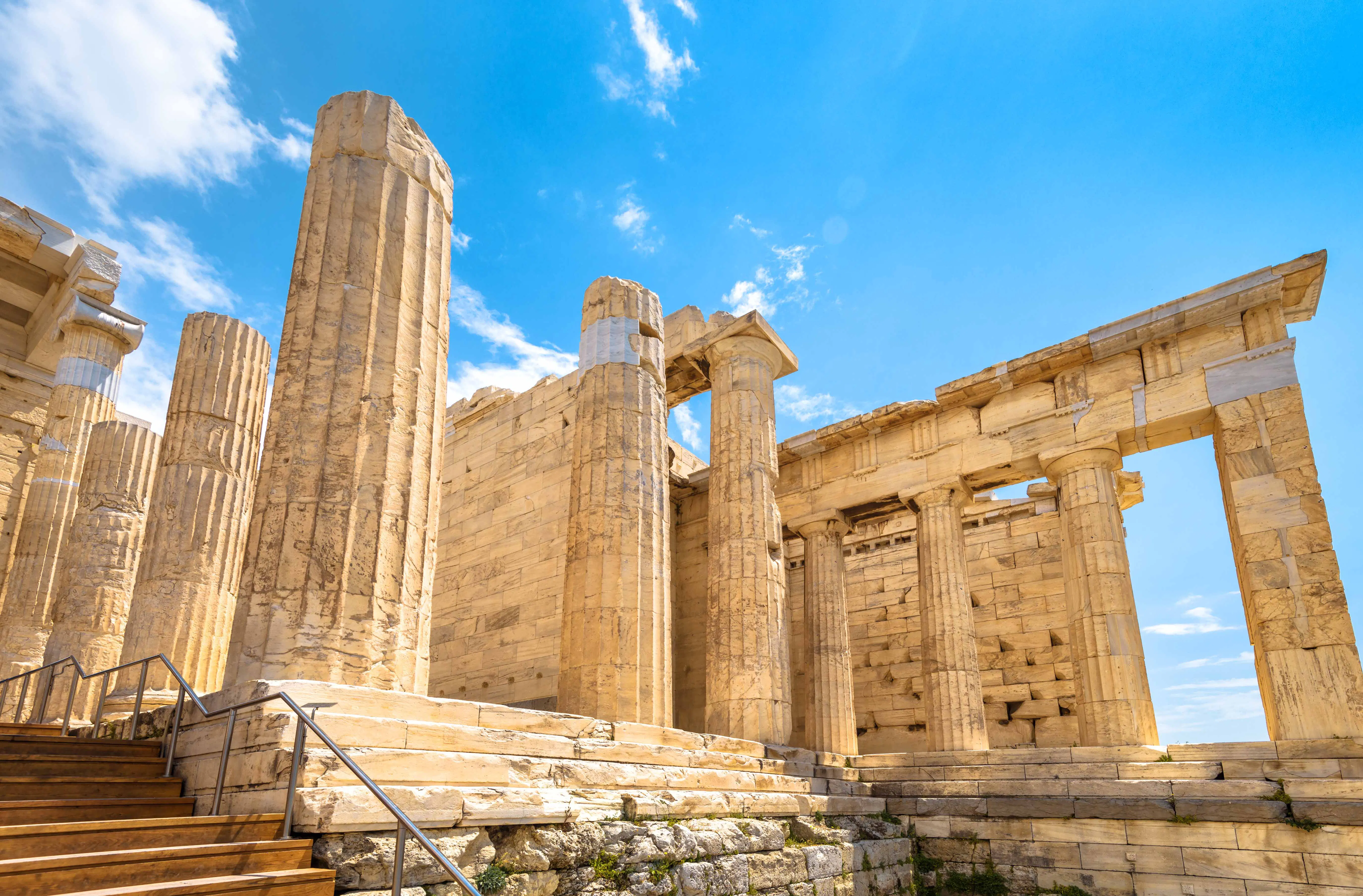
The grand monumental gateway that serves as the ceremonial entrance to the sacred Acropolis site.
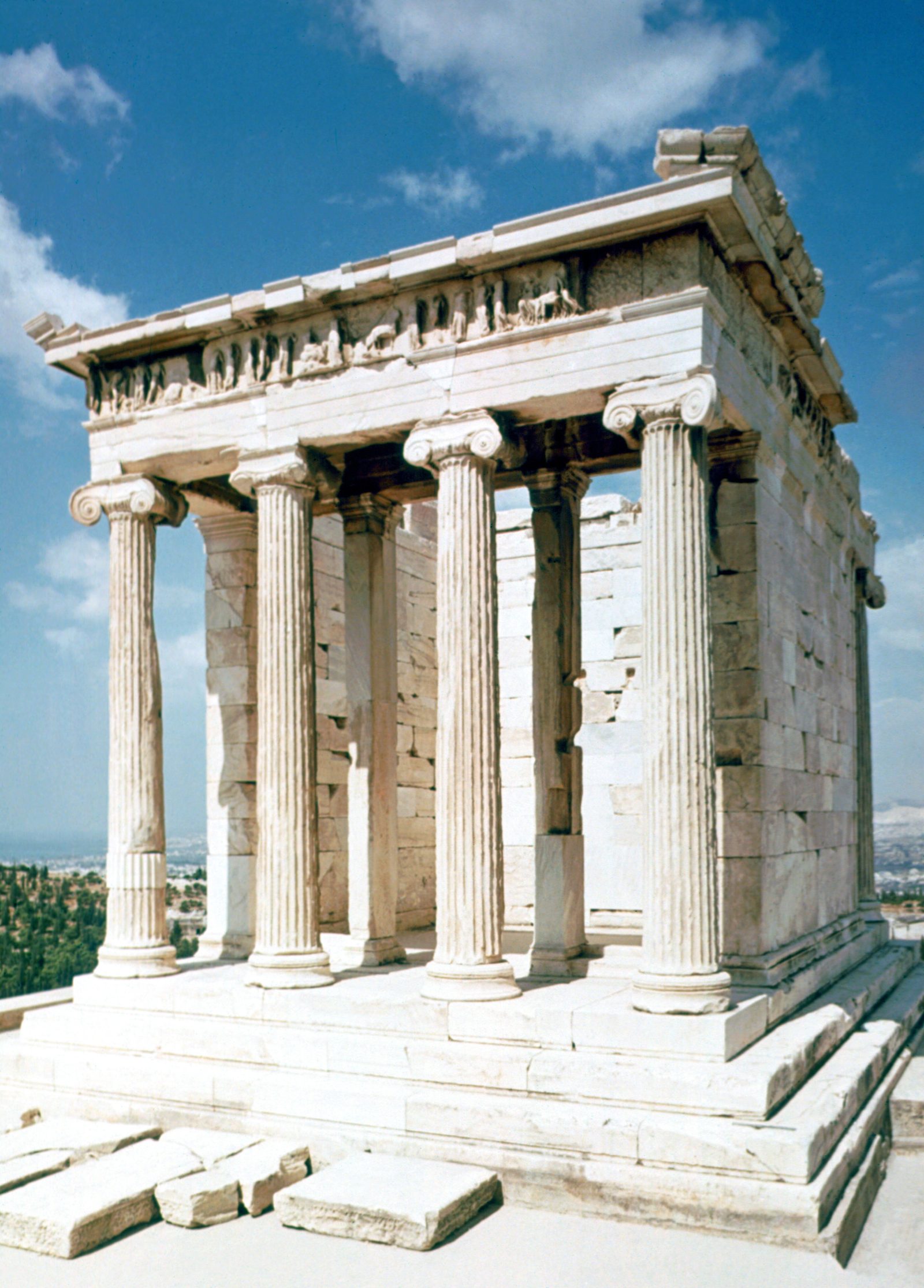
A small, elegant temple built around 420 BCE to commemorate military victories.
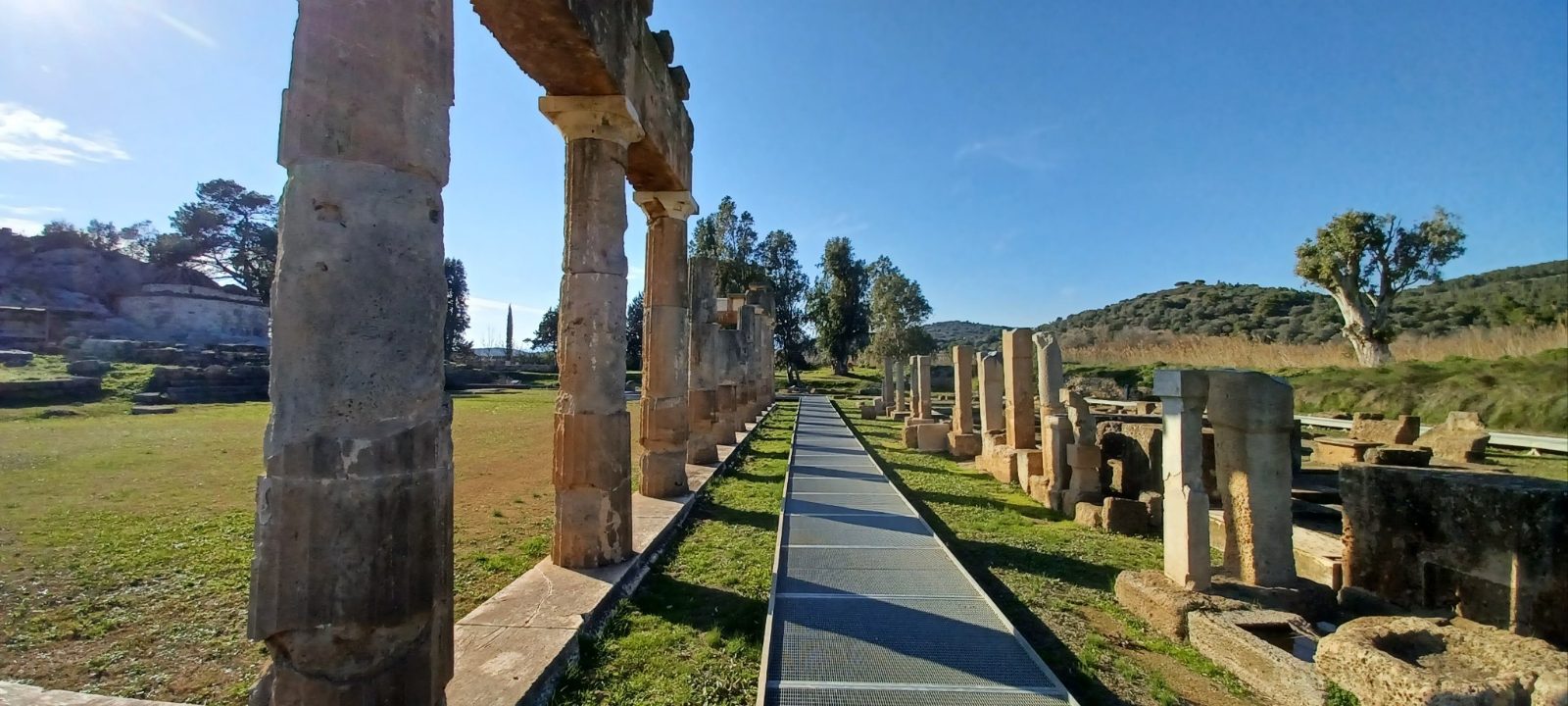
A sacred sanctuary dedicated to the goddess Artemis Brauronia, located near the main entrance.
You arrive at the west entrance before 08:00, joining your private guide beneath the Beulé Gate as the first light strikes the Propylaea's marble steps. The ascent is gradual, 80 metres of limestone paving worn smooth by twenty-five centuries of pilgrims and tourists.
Your guide pauses at the Temple of Athena Nike, explaining how its Ionic columns and continuous sculptural frieze commemorate the victory over Persia at Salamis.
Inside the Propylaea you turn east toward the Parthenon, its forty-six exterior columns catching the morning sun in graduated shadow. The guide points to the western pediment's fragmentary sculptures — Athena and Poseidon contesting patronage of Athens — then walks you along the north flank where restoration scaffolding frames the ongoing work. You stop at the Erechtheion's north porch, studying the coffered ceiling and the spot where Poseidon's trident allegedly struck stone. The Caryatids stand in silent file to the south, their draped forms supporting the architrave with an ease that belies their structural function. By 10:00 the site begins to fill, but your private acropolis walking tour has already delivered ninety minutes of uninterrupted access to the summit.
All the details about your upcoming adventure in one place
An acropolis private tour offers personalized exploration of the Parthenon, Propylaea, and Temple of Athena Nike with a licensed archaeologist or historian. Your acropolis private tour guide tailors the narrative to your interests, from classical architecture and ancient rituals to the UNESCO World Heritage designation. Skip-the-line acropolis private tour tickets ensure direct access to the Sacred Rock without standard queue delays.
The Acropolis rises 156 metres above Athens, its Pentelic marble monuments constructed between 447 and 406 BCE during the city's golden age under Pericles.
The Parthenon alone consumed 13,400 blocks of stone and took fifteen years to complete, its columns engineered with subtle entasis — a convex curvature invisible to the naked eye that corrects for optical illusion and ensures the temple appears perfectly straight from below.
Today the sacred rock welcomes four million visitors annually, making a private acropolis tour the most effective strategy for accessing the Propylaea gate, the Temple of Athena Nike, and the Erechtheion without the midday crush. A dedicated guide decodes the architectural sophistication Ictinus and Callicrates embedded into every metope and triglyph, explaining how the Parthenon's Doric peristyle conceals mathematical ratios that predate the Renaissance by two millennia. The site's strategic position — visible from every quarter of the ancient city — reinforced Athens' political and religious supremacy across the Aegean, a dominance that endured until the Roman conquest in 146 BCE.
Archaeological conservation remains active across the summit. The Acropolis Restoration Service has been reconstructing the Parthenon's north colonnade since 1983, using original fragments catalogued during the nineteenth-century dismantling and titanium dowels that prevent the iron oxidation which caused earlier restorations to crack. The Erechtheion's Caryatid porch — where six sculpted maidens bear the roof's weight — now displays plaster replicas, the originals preserved in climate-controlled galleries at the Acropolis Museum 300 metres southeast. An acropolis private tour guide interprets these layers, connecting Phidias' sculptural program to the Panathenaic procession that ascended the hill every four years bearing a woven peplos for the cult statue of Athena Polias. Entry to the archaeological site and slopes is €30, with the gate opening at 08:00 daily.

The Parthenon's columns employ entasis — a convex curvature invisible to the eye that corrects optical illusion.
Dress modestly to respect the sanctity of the archaeological site. Comfortable walking shoes with good traction are essential for navigating the steep, slippery marble surfaces of your acropolis private tour.
All visitors must pass through a security screening. While small backpacks are permitted on your acropolis private tour, large bags and suitcases are strictly prohibited.
Personal photography is allowed throughout the site. Professional equipment like tripods requires special permits, which are generally not part of a standard acropolis private tour.
The site can be physically demanding for small children due to heat and terrain. Ensure your acropolis private tour includes frequent breaks and plenty of water.
While the main route involves steep, uneven terrain, an elevator for visitors with limited mobility is located near the north slope. Your acropolis private tour guide can assist in navigating this access point.
Consumption of food and beverages is not permitted inside the archaeological zone. Keep your water bottle handy for the duration of your acropolis private tour.
Opening Hours
08:00–20:00
Address
Athens 105 58, Greece
Entry Fee
30 EUR
Arrival Window
08:00–10:00
Contact
+30 210 9238747
Metro · 2 min walk · 2 EUR
Take Line 2 (Red Line) to Akropoli station for the south slope entrance.
Taxi · 15-30 min · 10-20 EUR
Request drop-off at Dionysiou Areopagitou street for the main pedestrian path.
Standard entry tickets purchased for an acropolis private tour are typically non-refundable as they are fixed to a specific date and time slot. Please verify the specific terms of your acropolis private tour operator before booking.
Recommended time
2-3 hours
An acropolis private tour typically spans 2-3 hours, allowing enough time to explore the Parthenon, the Erechtheion, and the ancient slopes. Securing acropolis private tour tickets early ensures you navigate the Propylaea before the midday surge of cruise ship visitors. Planning an acropolis private tour tour during the recommended window of 08:00–10:00 provides the most comfortable conditions to admire the marble architecture. If you require acropolis private tour tours that include the museum, please allocate additional time to properly appreciate the caryatids and friezes.
Crowd levels through the day
Weather · crowds · average price — dots go green to amber to red as each metric rises.
Mild weather and blooming wildflowers make this ideal for walking tours.
Longer days, but expect extreme heat; early morning entry is mandatory.
Cooler temperatures and golden light are perfect for photography enthusiasts.
Lowest crowds of the year, though daylight hours are significantly shorter.
Schedule your acropolis private tour during the cooler morning window.
The ancient marble is polished and slippery even in dry conditions.
Carry your own water as there are no shops inside the site walls.
Be at the gate by 08:00 for the quietest acropolis private tour experience.
The south slope entrance is often less crowded than the main west gate.
The sacred rock of the Acropolis rises 156 meters above Athens, inhabited since the Neolithic period but transformed into a monumental religious complex during the fifth century BCE. After Persian forces destroyed the original temples in 480 BCE, Pericles initiated an ambitious rebuilding program in 447 BCE that would define Classical architecture for millennia. The Parthenon, designed by architects Iktinos and Kallikrates, took nine years to complete its structure and another six for sculptor Phidias to finish the decorative program. Its forty-six Doric columns employed subtle optical refinements—each column swells slightly at the center, and the stylobate curves upward—to counteract visual distortions and create an impression of perfect symmetry. Construction of the Propylaea gateway began in 437 BCE under architect Mnesikles, though the Peloponnesian War halted work in 432 BCE, leaving the western wings unfinished. The Erechtheion, built between 421 and 406 BCE on the Acropolis's north side, housed the oldest cult sites, including the sacred olive tree of Athena and the salt spring of Poseidon. Its famous Caryatid porch, where six marble maidens support the roof, replaced an earlier shrine destroyed by the Persians. The small Temple of Athena Nike, completed around 420 BCE, commemorated Athenian naval victories and featured a continuous sculptural frieze depicting battles against the Persians. The Acropolis underwent dramatic transformations under later powers. The Parthenon became a Christian church in the sixth century CE, requiring removal of its cult statue and interior reconfiguration. Ottoman forces converted it to a mosque in 1460, adding a minaret. The most catastrophic event occurred in 1687 when Venetian artillery, commanded by Francesco Morosini, struck the Parthenon during a siege—the Ottomans had stored gunpowder inside, and the resulting explosion destroyed the roof, sixteen columns, and most interior structures. Lord Elgin removed roughly half the surviving sculptures between 1801 and 1812, shipping them to Britain where they remain in the British Museum despite Greek repatriation requests. Modern restoration began in 1898 but accelerated after 1975 when engineers discovered that iron clamps installed in early twentieth-century repairs were corroding and splitting the marble. The current restoration project, ongoing since 1983, uses titanium reinforcements and returns displaced architectural members to their original positions. Visitors on an acropolis private tour today walk among both original Classical structures and meticulous anastylosis work, where ancient blocks are reassembled using modern engineering. The site remains the most complete surviving example of a Classical Greek sanctuary, its Pentelic marble still bearing chisel marks from fifth-century BCE craftsmen.
Persian forces under Xerxes destroy the original temples and structures on the Acropolis during their invasion of Greece.
Construction of the Parthenon proceeds under Pericles, with Phidias overseeing the sculptural decoration and chryselephantine statue of Athena.
Mnesikles builds the monumental Propylaea gateway, though the Peloponnesian War forces work to halt before completion.
The Erechtheion is constructed on the site of the oldest Mycenaean palace, incorporating the Caryatid porch and multiple cult shrines.
Venetian bombardment ignites Ottoman gunpowder stored in the Parthenon, destroying the roof and central columns in a massive explosion.
Lord Elgin removes approximately half the surviving Parthenon sculptures and ships them to Britain, sparking ongoing repatriation debates.
Engineers discover iron clamp corrosion and launch a comprehensive restoration using titanium reinforcements and anastylosis techniques.
Position yourself at the eastern edge of the plateau to capture the columns framed against the morning sky. This vantage point allows for a clean composition of the architectural pediment.
Stand near the north side of the Erechtheion to photograph the Caryatids. This angle highlights the intricate detail of the sculpted figures against the marble backdrop.
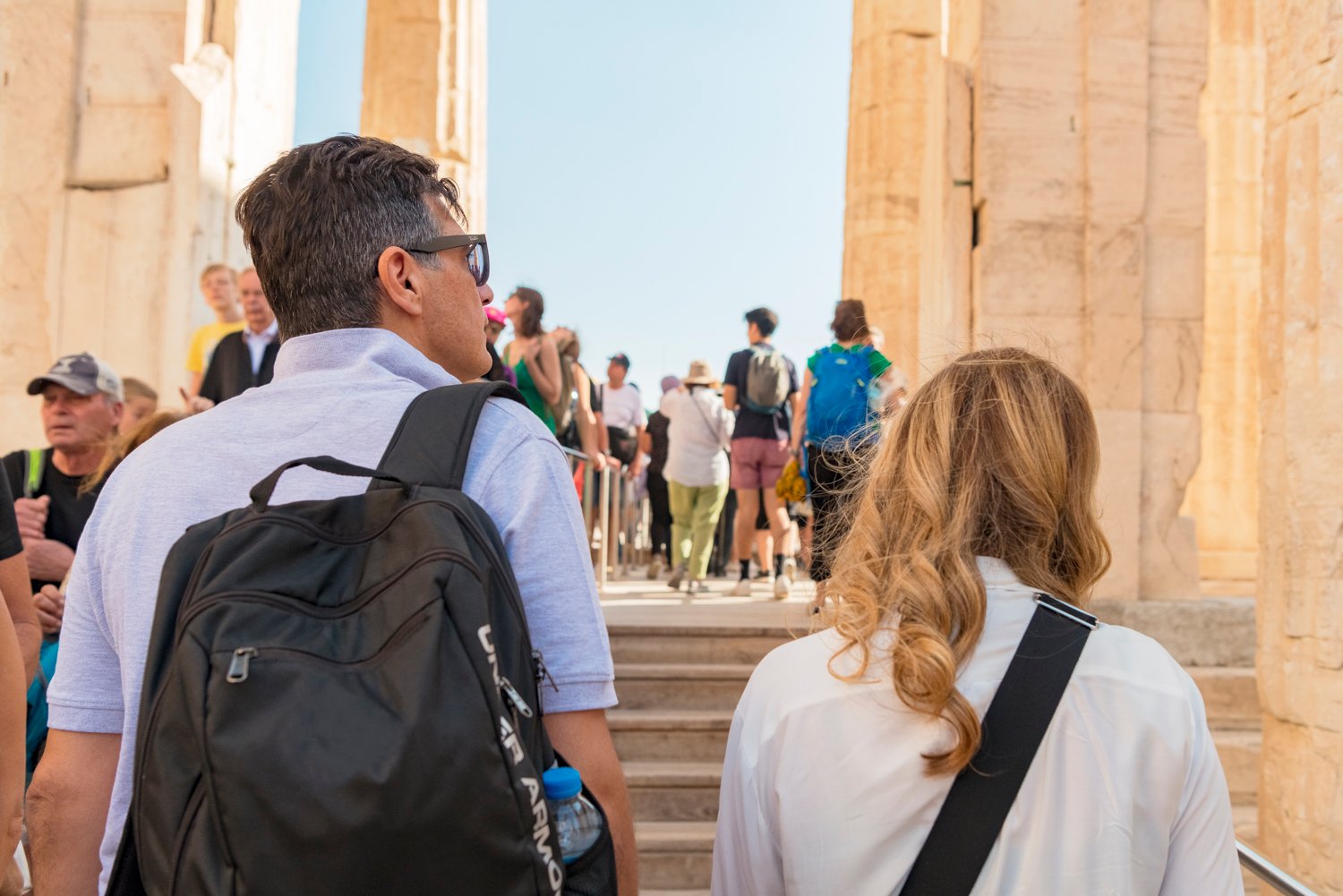
Shoot from the inner landing looking back through the monumental entrance gate to capture the scale of the structure. This perspective frames the approach path used during any acropolis private tour.
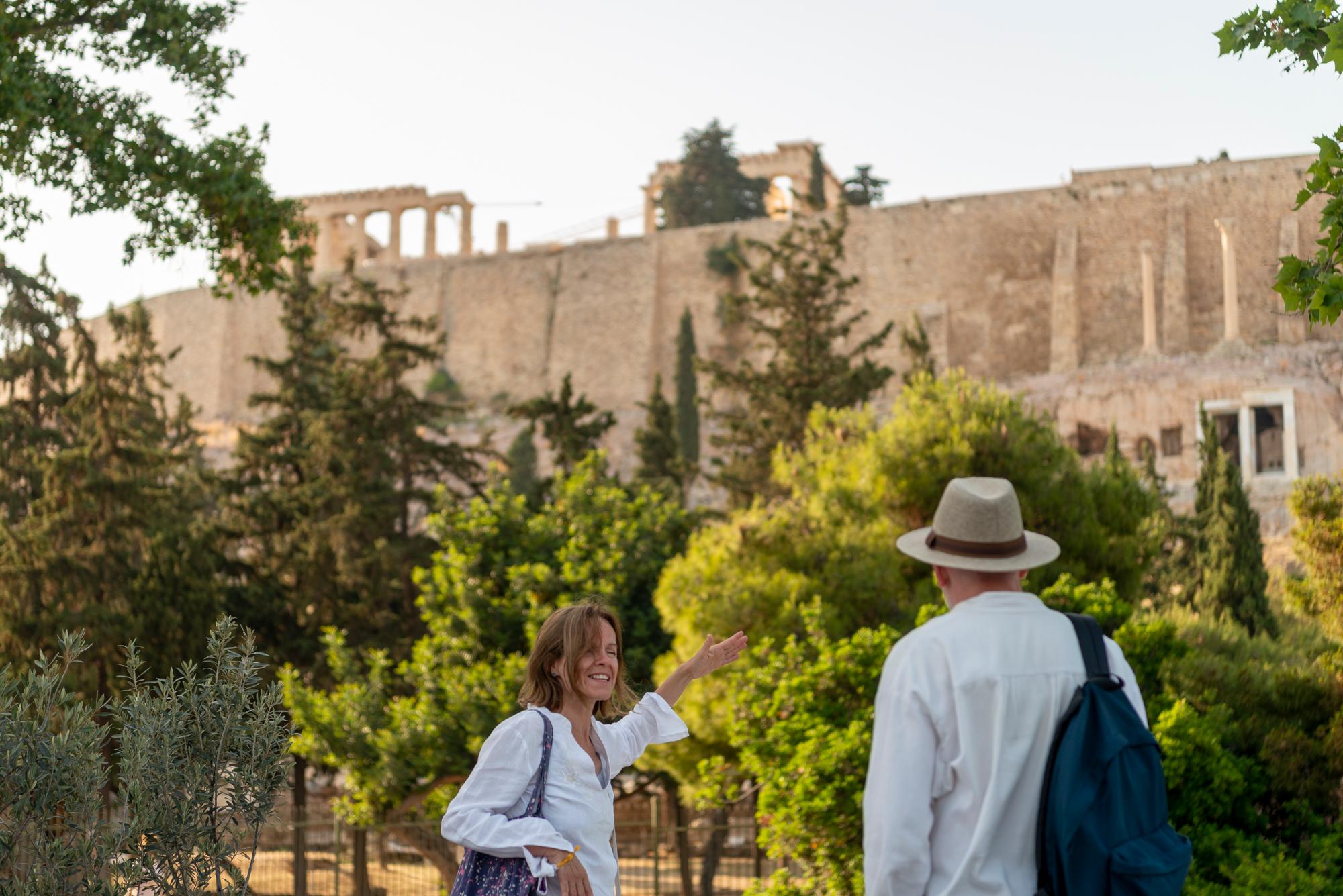
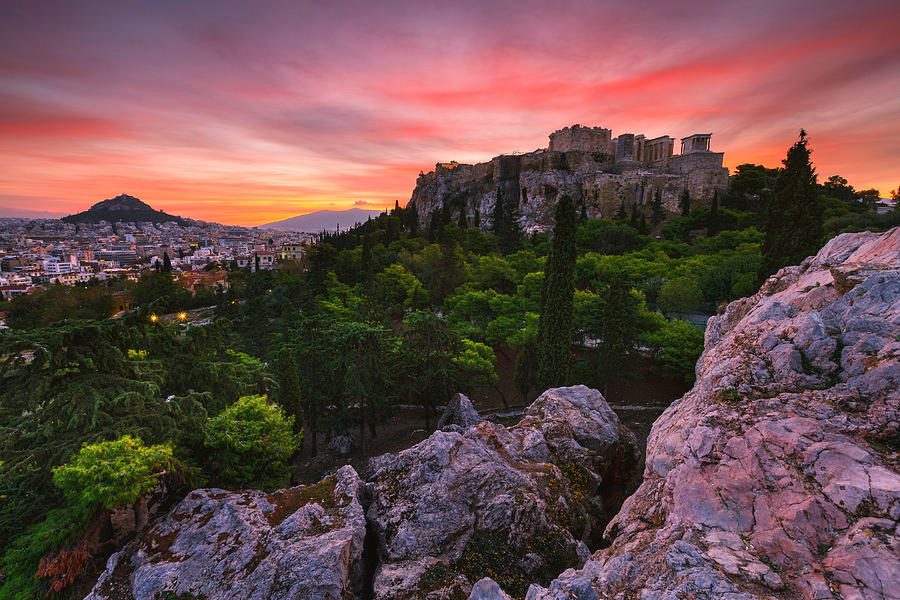
Located just outside the main entrance, this rocky outcrop provides a perspective of the entire citadel perched above the city. It remains the top choice for capturing the scale of these Athens landmarks.
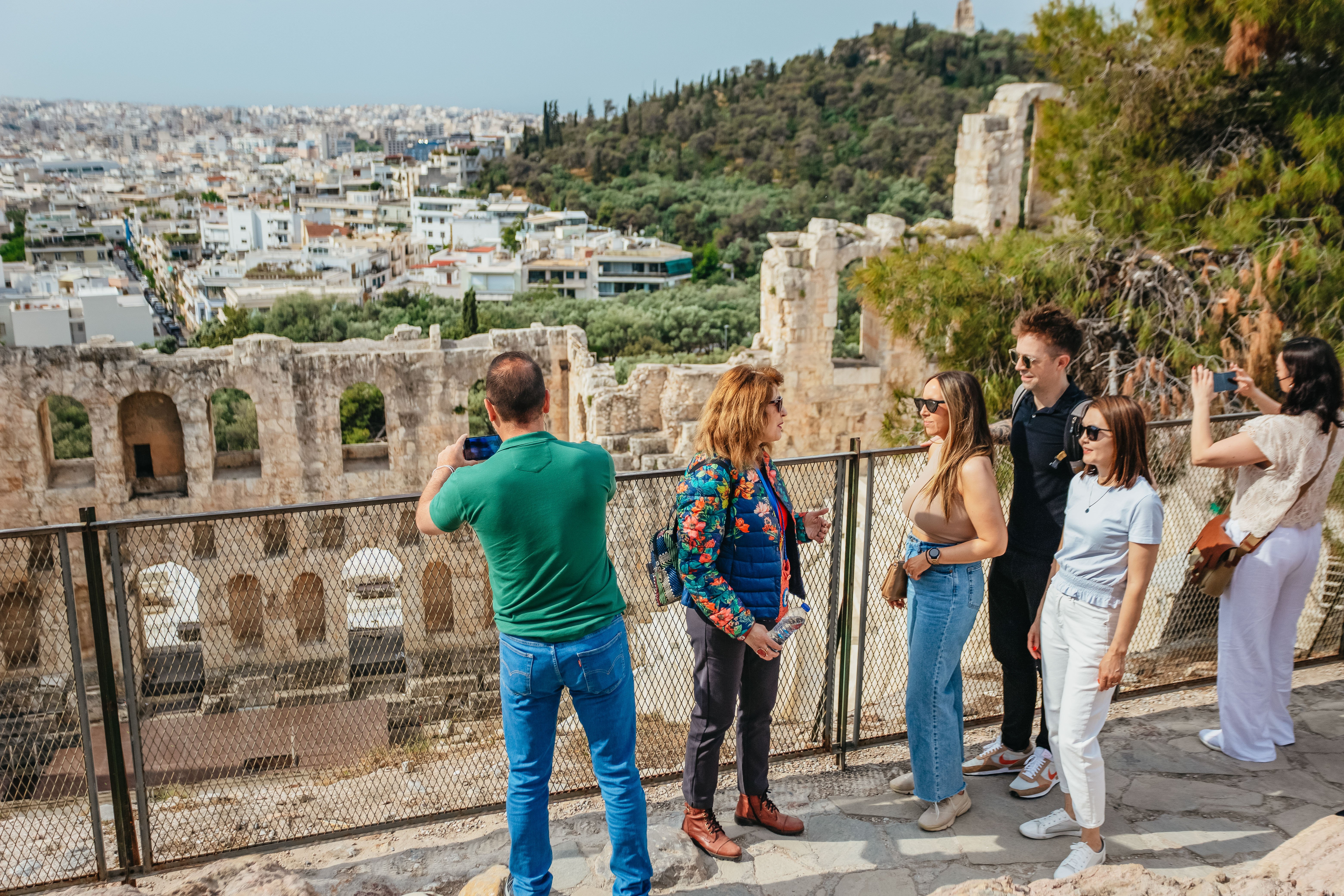
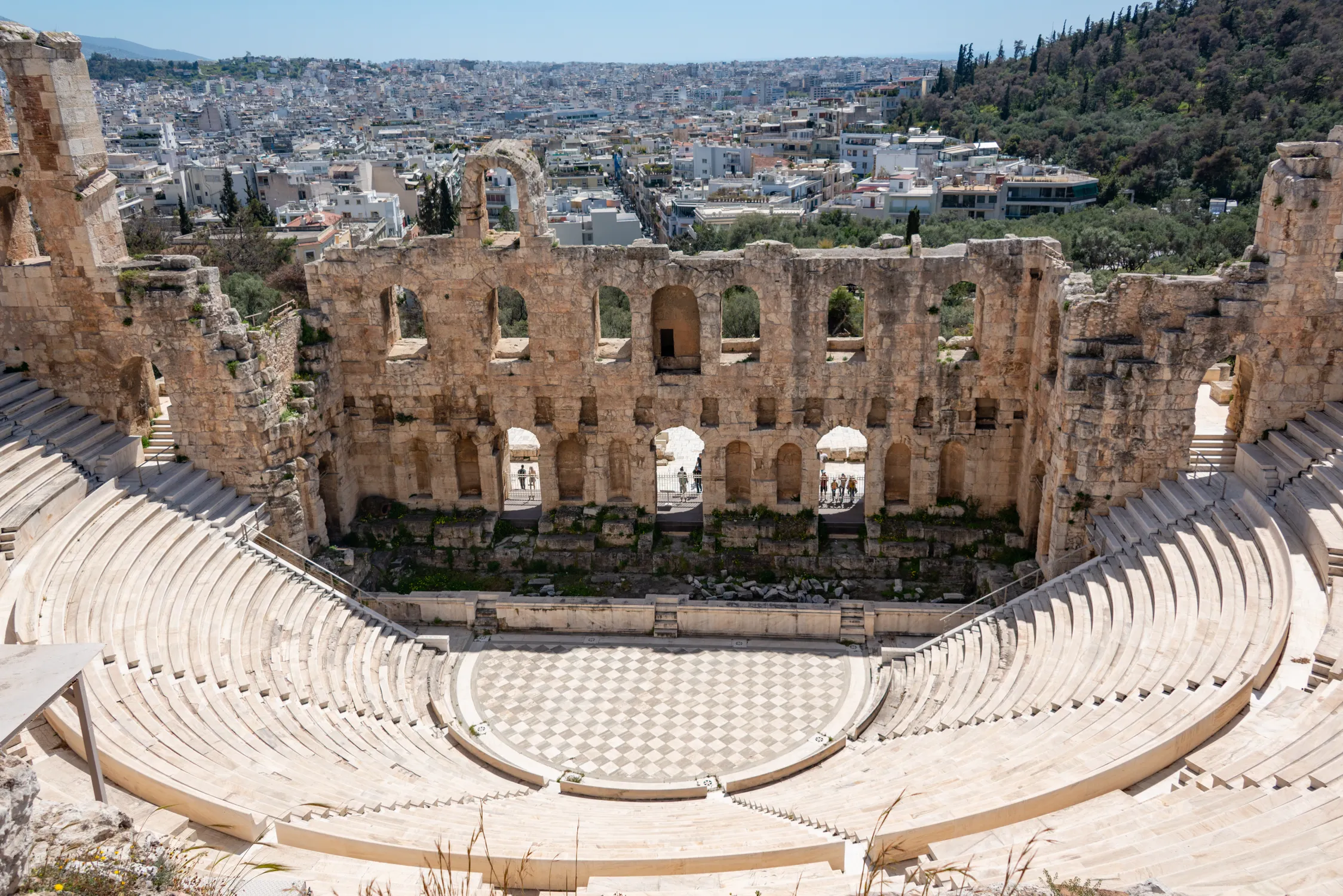
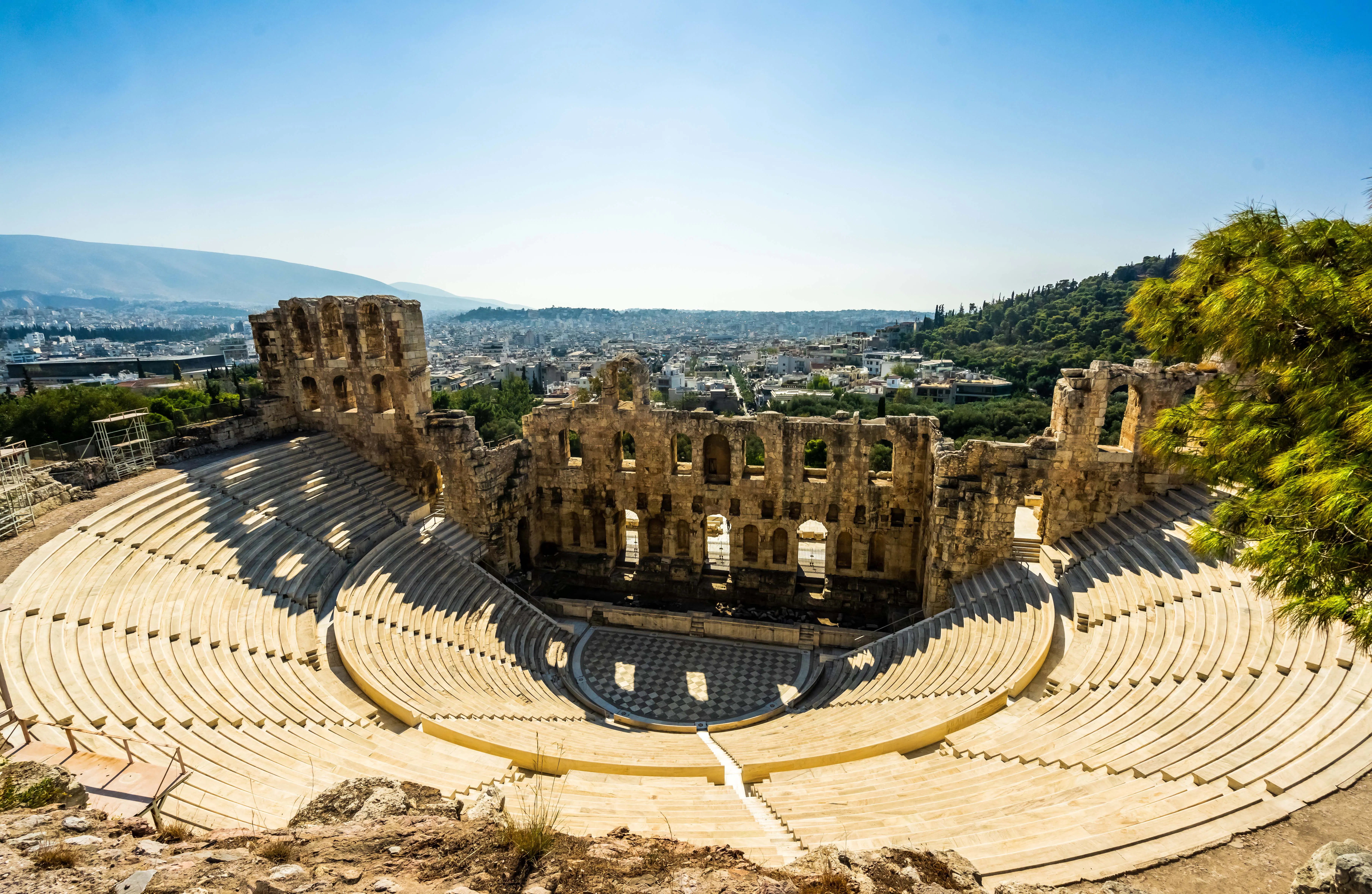
Follow the pathway along the south slope to frame the Odeon of Herodes Atticus with the modern cityscape in the background. This spot requires skip-the-line acropolis private tour tickets to access efficiently before the crowds arrive.
Navigating the Parthenon and surrounding ruins is manageable with preparation, making an acropolis private tour an ideal way to balance historical exploration with your children's needs. Having a dedicated expert allows you to maintain a flexible pace through these ancient Athens landmarks.
The archaeological site features uneven, rocky terrain and marble surfaces that are not suitable for strollers, so a carrier is recommended for infants and toddlers. You can store your stroller at the designated areas near the entrance before beginning your Athens Acropolis tour.
An acropolis private tour tours provide the freedom to take frequent breaks in the shade, which is essential for young explorers who tire easily. Your guide can adjust the route to focus on the most engaging mythological stories to keep children interested.
There are no baby-change facilities directly on the summit, though limited options exist near the main entrance. We suggest securing your acropolis private tour tickets in advance and planning quick trips to the base facilities before your ascent.
School-aged children typically get the most out of the experience, as they can engage with the architecture and the scale of the Propylaea. Younger children may struggle with the incline, so plan your visit during the best arrival window of 08:00–10:00 to keep them cool and comfortable.
Finding quality food near your acropolis private tour is simple, as the surrounding Plaka and Koukaki neighborhoods offer numerous traditional eateries. While the archaeological site itself provides no dining, these venues are perfect for a post-walk meal after finishing your skip-the-line Athens landmark experience.
Located in a historic building, this spot offers small plates and meze perfect for sharing. It is popular with locals, so arriving early is recommended for your acropolis private tour tours.
Real experiences from real travelers
Our guide met us at 8am before the crowds arrived. She explained the Parthenon's optical illusions and pointed out original Pentelic marble details most visitors walk past. The early light made photography spectacular.
Booking an acropolis private tour meant we could ask detailed questions about the Periclean building program. Our archaeologist guide showed us tool marks on column drums and explained the gold-and-ivory Athena statue that once stood inside.
Started at the Propylaea and worked our way up systematically. Guide timed breaks in shaded spots and had cold water. We spent extra time at the Erechtheion because my daughter studies architecture.
Three hours felt exhausting in September heat even with morning start. Content was exceptional and having dedicated attention meant understanding the restoration work currently happening on the north colonnade.
Watched a 40-person tour struggle to hear their guide near the Parthenon. Our acropolis private tour let us move at our own pace and photograph without crowds. Guide adjusted when we wanted more time studying the frieze reproductions.
Guide connected what we were seeing to the Panathenaic procession route and Persian War context. Standing where Phidias planned the sculptural program made ancient Athens feel immediate rather than abstract.
Asked about engineering specifics of the marble roof tiles and got detailed answers about weight distribution. This level of interaction only works with private acropolis tours where the guide adapts to your interests.
Evening tour caught the Pentelic marble turning honey-colored as sun set over Piraeus. Far fewer visitors at that hour. Guide knew which angles work best for photography and explained temple orientations to celestial events.
Our Athenian guide shared family stories about the neighborhood below and pointed out where archaeological digs continue. The human connection to this site across millennia became tangible rather than theoretical.
Guide covered the essentials efficiently and answered questions about the Acropolis Museum artifacts we should prioritize afterward. Would have appreciated more time discussing the Erechtheion's unusual floor plan.
Everything you need to know for your journey
The site is open daily from 08:00–20:00, with the last entrance at 19:30.
Yes, an elevator on the north slope provides access for visitors with limited mobility during your acropolis private tour.
Eating is not allowed inside the archaeological site, though water is permitted.
Small backpacks are allowed, but large bags are prohibited at the site entrance.
The best time for an acropolis private tour is between 08:00–10:00 to avoid heat.
Wear comfortable walking shoes with good grip and modest clothing.
Yes, personal photography is encouraged, but commercial equipment is prohibited on an acropolis private tour.
Take the Metro to Akropoli station or a taxi to Dionysiou Areopagitou.
Yes, families are welcome, but be prepared for steep, uneven paths on your acropolis private tour.
Tickets for an acropolis private tour are typically non-refundable once booked.
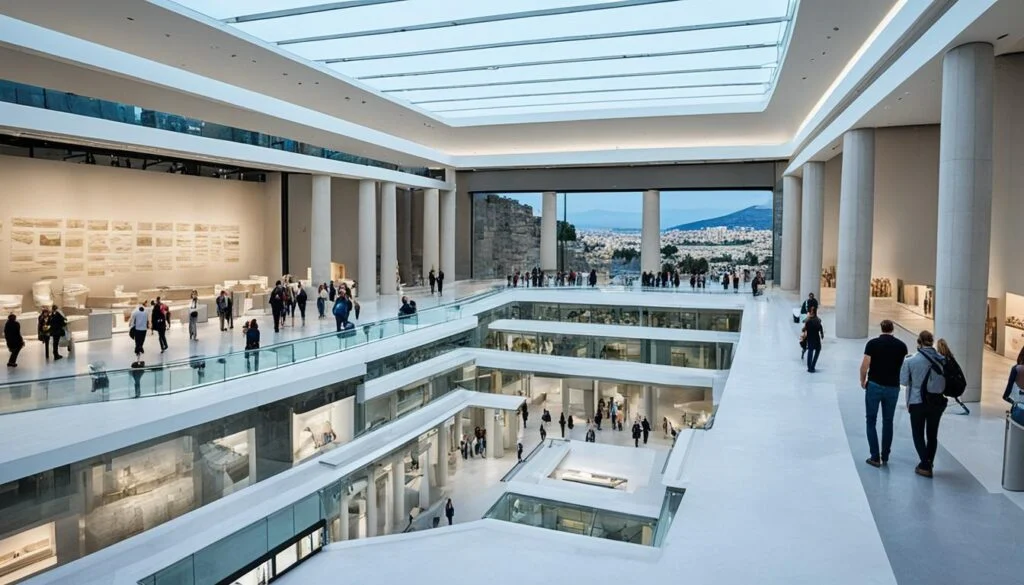
Houses artifacts found on the rock with glass floors over excavations.
Historic neighborhood with traditional architecture and dining.
Join thousands of happy travelers who have discovered this incredible experience
Book Your Experience Now