

Quick answer
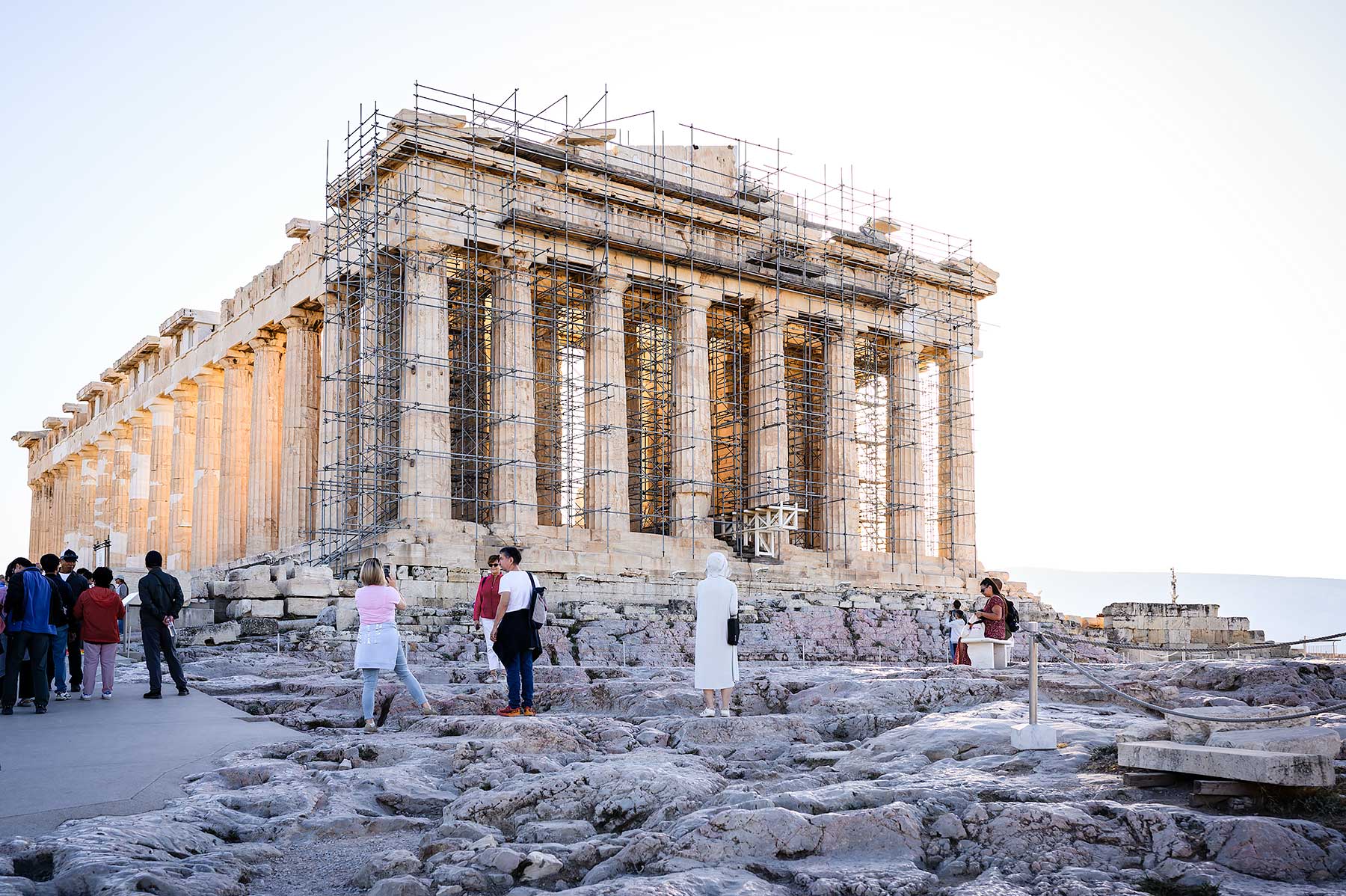
Yes, you can go inside the Acropolis archaeological site daily from 08:00 to 20:00. You walk freely across the plateau, approach the Parthenon's exterior colonnade, enter the Erechtheion's porch, and explore the Temple of Athena Nike. The interiors of most structures remain closed to protect fragile marble and ancient foundations, but the site itself is fully accessible for 30 EUR per person.
The Acropolis encompasses 7.4 acres of limestone plateau, not a single enclosed building. When you pass through the Beulé Gate and climb the marble steps of the Propylaea, you enter an open-air sanctuary where temples, altars, and monuments stand exposed to the Attic sky. The question of access hinges on scale: the site welcomes you; the temple interiors do not. The Parthenon dominates the plateau, its Doric columns rising 10.4 meters and its pediments still bearing traces of Phidias' sculptural program. You circle the stylobate, photograph the eastern façade where Athena Parthenos once stood, and walk beneath the entablature. But the cella—the inner chamber that housed the cult statue—remains roped off. Earthquakes, fires, and a 1687 Venetian bombardment left the interior structurally compromised. Conservators permit no foot traffic inside. The same restriction applies to the Erechtheion, though you can stand within its north porch and examine the Caryatid columns at close range. One original remains; the others are plaster casts, the marble figures now housed in the Acropolis Museum to escape acid rain erosion. Visiting the Acropolis means navigating what is monument and what is museum. The sacred rock itself is the artifact. The Temple of Athena Nike, perched on a bastion southwest of the Propylaea, allows you to climb the platform and inspect its Ionic friezes, but the naos is sealed. The Odeon of Herodes Atticus, a Roman theater below the south slope, opens only for performance events. The Theater of Dionysus remains accessible as part of the larger archaeological zone, its marble thrones and orchestra floor visible from marked paths. Practical access depends on mobility. The main route ascends 80 uneven marble steps; a wheelchair-accessible lift operates from the northwest slope, though it requires advance arrangement through the Hellenic Ministry of Culture. Once on the plateau, limestone paving and ancient thresholds create obstacles. Wear closed shoes with traction. The site offers no shade, no seating, and no water fountains. Most visitors spend 90 minutes walking the perimeter, reading interpretive plaques, and positioning themselves for sightlines across Athens to the Saronic Gulf.
“The sacred rock itself is the artifact—every threshold and column base a document of 2,500 years.”
How Can You Go Inside The Acropolis And Explore The Ruins?
Yes, you can enter the Acropolis archaeological site and walk freely among the ancient structures on the hill. The process takes roughly 15–20 minutes from the ticket gate to the Parthenon plateau, depending on your pace and crowd levels.
Purchase your ticket online or at the gate
Book through the official site at https://tickets.hh.gr or buy on arrival at the south slope entrance; online tickets let you skip the purchase queue but you still join the security line.
Enter through the main gate on the south slope
Present your ticket (printed or mobile) at the designated entrance; many visitors mistakenly head to the closed north gate—follow signs for "Main Entrance" from Dionysiou Areopagitou Street.
Climb the marble pathway to the Propylaea
Walk the ancient stone path leading uphill to the monumental gateway; wear flat shoes with grip because the marble becomes slippery when worn smooth or wet.
Pass through the Propylaea gateway
Walk through the columned entrance hall that served as the original threshold; this is where most visitors pause for their first view of the Parthenon directly ahead.
Explore the plateau and surrounding temples
Move freely across the summit to visit the Parthenon, Erechtheion, and Temple of Athena Nike; the site is open-air with no interior rooms to enter, so "inside" means within the fenced archaeological grounds.
Exit via the north slope path
Follow the one-way route down the northern side toward Plaka; attempting to backtrack through the entrance creates congestion and is often blocked by staff.
Opening Hours: When Can You Go Inside The Acropolis?
The Acropolis is open daily to visitors throughout the week, maintaining consistent operating hours from morning until evening.
| Monday | 08:00–20:00 | |
|---|---|---|
| Tuesday | 08:00–20:00 | |
| Wednesday | 08:00–20:00 | |
| Thursday | 08:00–20:00 | |
| Friday | 08:00–20:00 | |
| Saturday | 08:00–20:00 | |
| Sunday | 08:00–20:00 |
The Best Time To Go Inside The Acropolis Without The Crowds
The best arrival window is 08:00–10:00 to avoid peak cruise ship crowds and midday heat. Visiting early in the day allows for a more manageable experience before the site reaches maximum capacity.
Spring (April-May)
Moderate crowdsMild temperatures (15°C–23°C). These months offer balanced weather and manageable visitor numbers.
Summer (June-August)
Heavy crowdsHigh heat (28°C–35°C). Expect significant density and temperatures often exceeding 30°C.
Autumn (September-October)
Moderate crowdsPleasant temperatures (18°C–26°C). The site remains active but temperatures are lower than mid-summer.
Verdict: The best time to visit is during the shoulder seasons of April or October, arriving at the 08:00–10:00 window.
Named Sites To See When You Go Inside The Acropolis
Once you pass through the gates, the Acropolis plateau features several distinct structures from the Classical period. Navigating these ruins allows you to observe the architectural details of ancient Athenian construction up close.
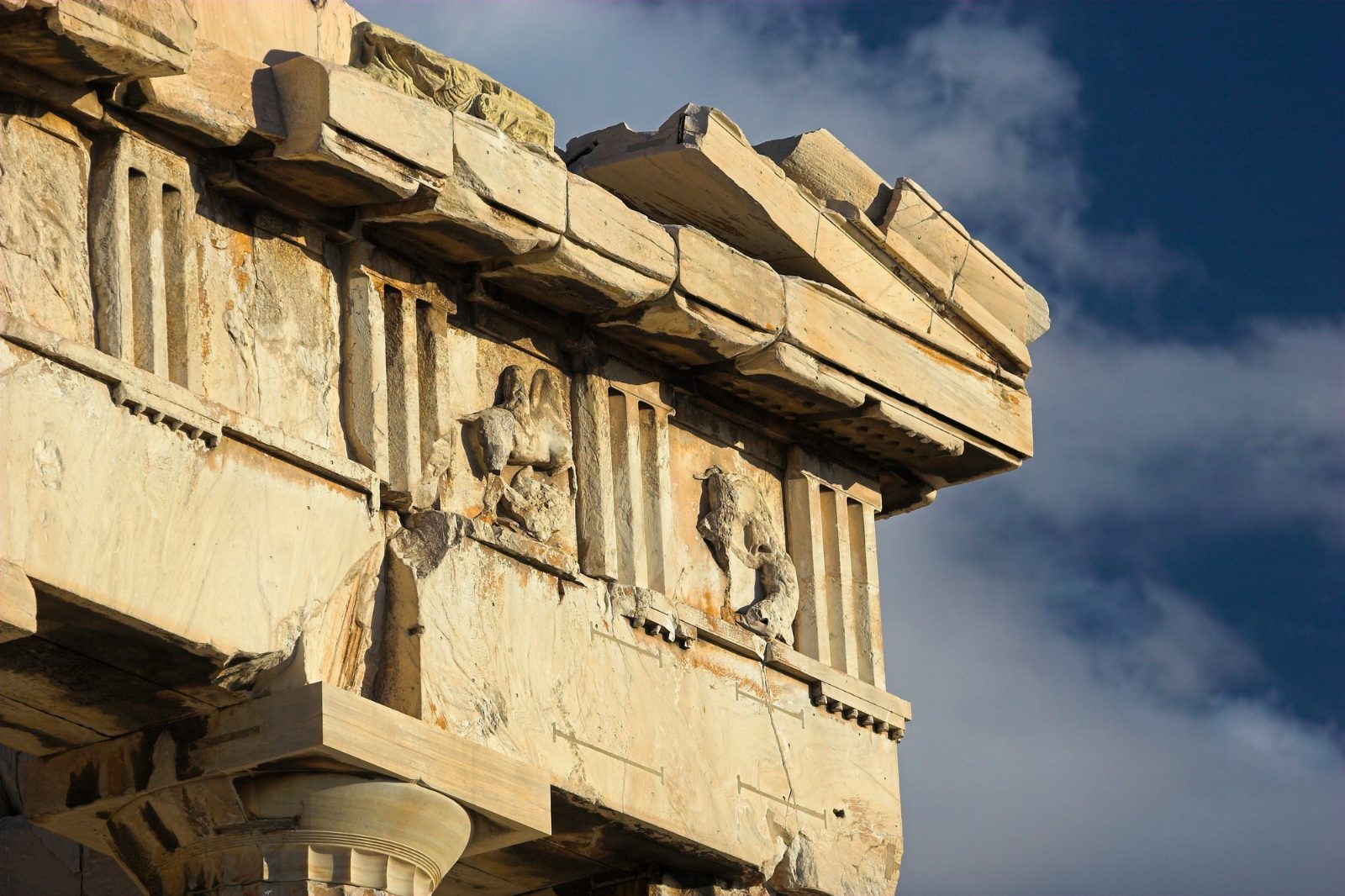
Parthenon
The central temple dedicated to the goddess Athena, constructed primarily of Pentelic marble. It serves as the dominant structure of the complex.
Walk around the entire perimeter to view the distinct frieze remnants.
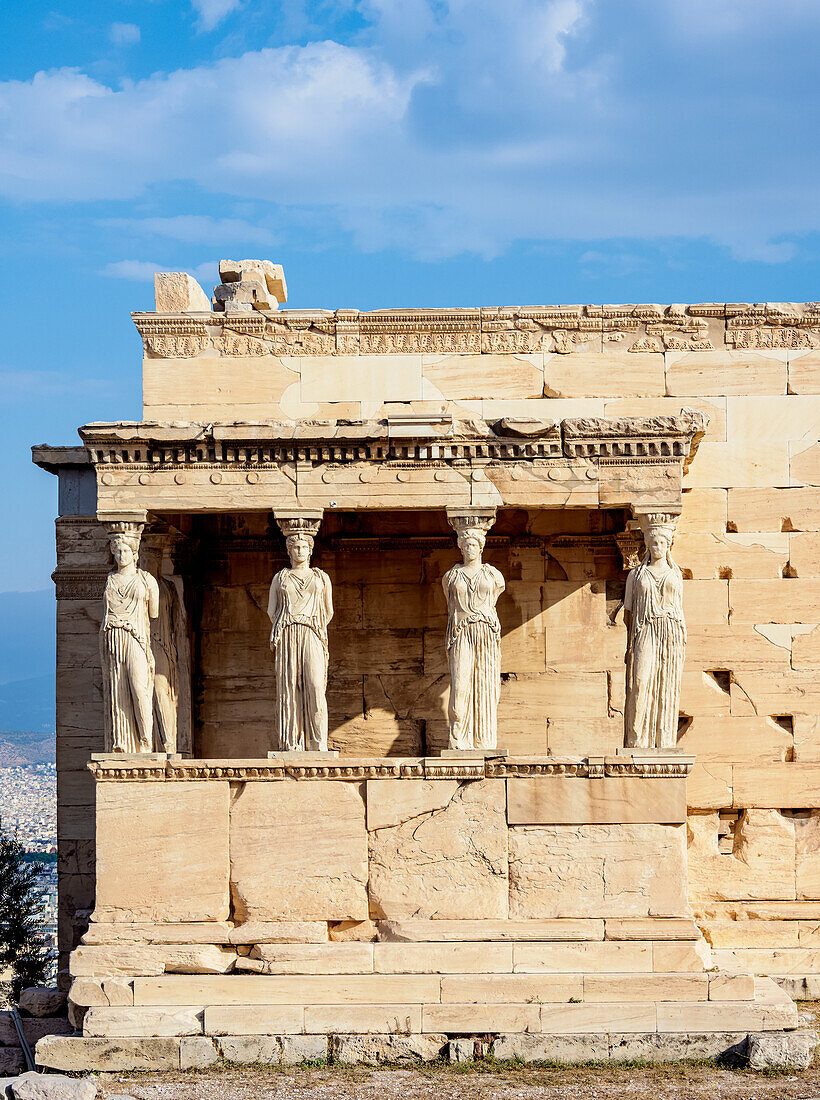
Erechtheion
An ancient Greek temple known for its Porch of the Maidens, where six draped female figures serve as supporting columns. It stands on the site's most sacred ground.
Observe the Caryatids from the south side for the best perspective.
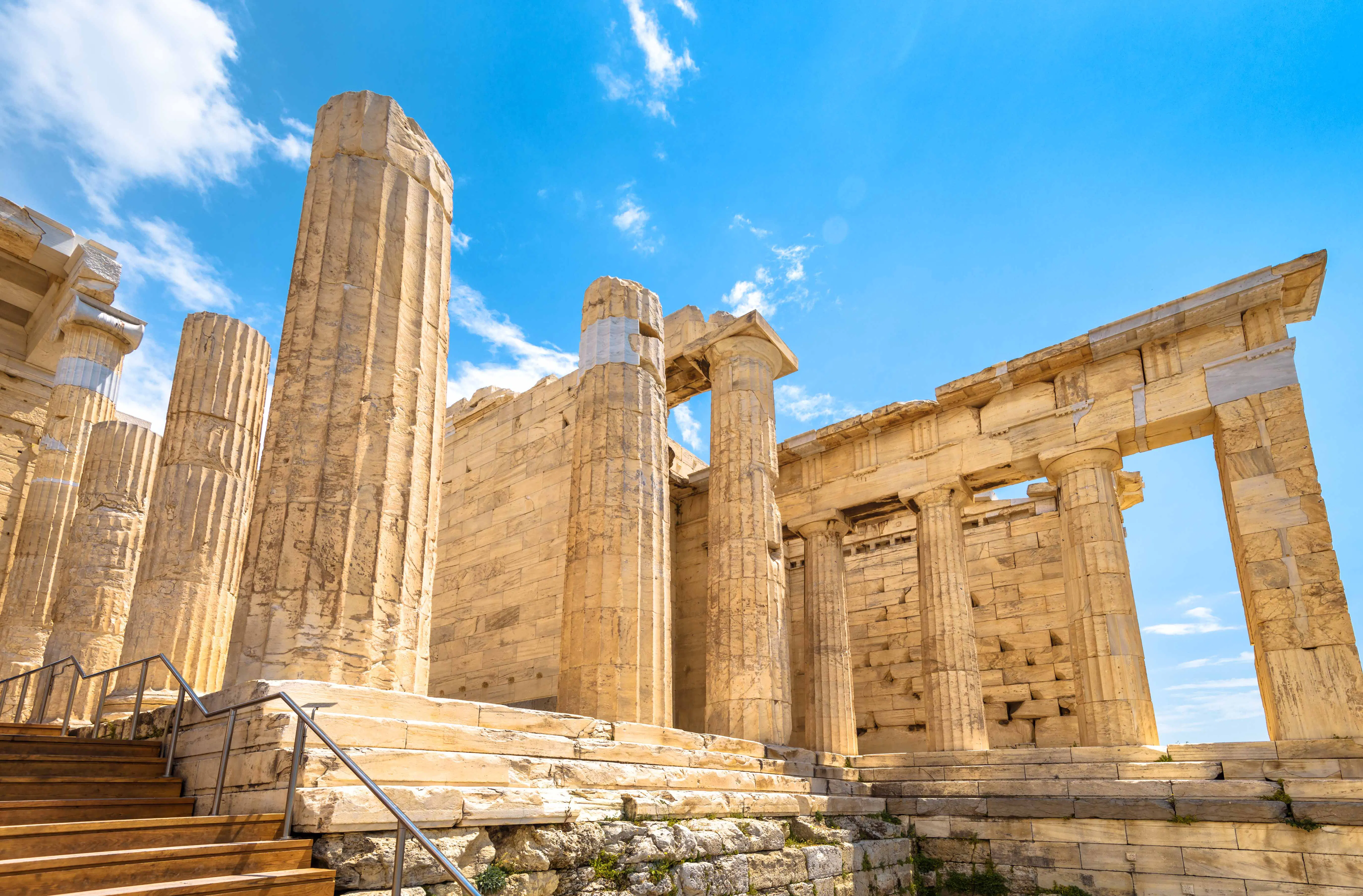
Propylaea
The monumental gateway that serves as the entrance to the sacred precinct of the Acropolis. Its design incorporates both Doric and Ionic architectural orders.
Look up at the massive marble ceiling beams while walking through.
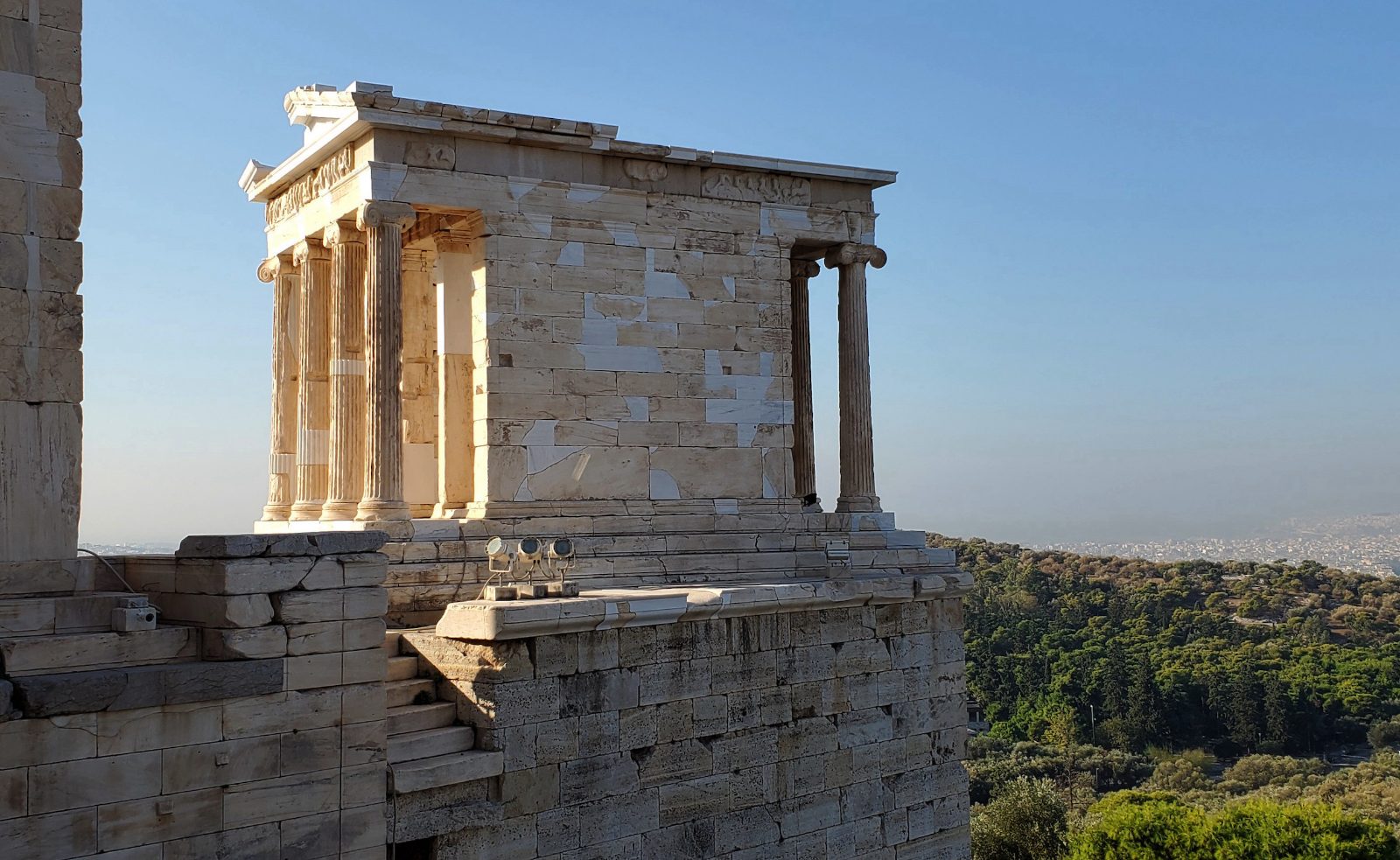
Temple of Athena Nike
A small, elegant temple positioned on a bastion at the southern edge of the Propylaea. It was built to commemorate military victories.
View it from the path before reaching the main plateau level.
Rules For When You Go Inside The Acropolis
The Acropolis is an active archaeological site under UNESCO protection. Strict conduct rules preserve the marble monuments and ensure safe access for all visitors.
Do
- Stay on marked pathways at all times
- Wear flat rubber-soled shoes for traction on marble
- Carry water and sun protection
- Respect barrier ropes around restoration zones
- Keep voices low near other groups
- Dispose of litter in designated bins only
Don't
- Touch or lean on any marble surfaces or columns
- Climb on monuments or sit on ancient stones
- Smoke anywhere within the archaeological site
- Bring large backpacks or wheeled luggage
- Use tripods or selfie sticks without a permit
- Walk barefoot on the slippery marble terraces
Check availability
Frequently Asked Questions About Visiting the Acropolis
Everything you need to know about can you go inside the acropolis